
Tianli
As 2026 approaches, global drivers are looking beyond conventional petrol cars and fully electric vehicles. Self Charging Hybrid Cars offer a practical middle path for varied driving conditions. They combine a petrol engine with electric assistance and a battery that recharges during braking and driving. No home charger is required.
Their appeal becomes clearer in daily use. Picture a morning commute, slow city traffic, and quiet electric movement near a school. On a long motorway journey, the engine provides familiar range without depending on charging networks. However, “self-charging” does not mean unlimited electric driving. The battery remains relatively small, and fuel costs still matter.
This guide introduces leading hybrid models expected to interest buyers across different regions in 2026. It considers fuel economy, comfort, safety technology, cabin space, reliability evidence, warranty support, and ownership costs. Official specifications will be compared with independent road tests and long-term owner feedback. Regional differences also deserve attention, including taxes, service availability, emissions rules, and trim levels.
Real roads tell a different story.
A laboratory efficiency figure may not match winter traffic, steep hills, or overloaded luggage. Some models feel smooth and refined, while others sound strained during hard acceleration. No shortlist is perfect. Battery replacement costs, limited boot space, and confusing equipment packages can weaken an otherwise attractive choice. Where evidence remains incomplete, this article will say so clearly. The goal is not to declare one universal winner, but to help buyers judge which Self Charging Hybrid Cars fit their climate, budget, driving habits, and local market.
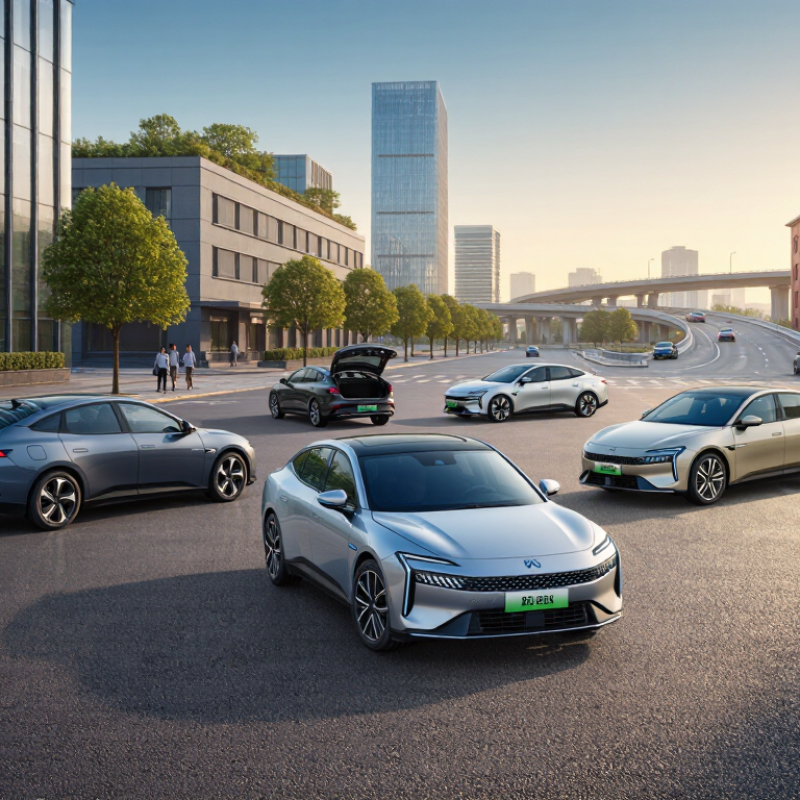
What Self-Charging Hybrid Cars Mean in 2026
A self-charging hybrid combines a petrol engine, an electric motor, and a compact battery. It does not need a wall charger for normal use. The battery gains energy during braking and while the engine operates efficiently. A short electric glide can feel quiet in city traffic, especially near traffic lights and crowded streets. However, “self-charging” can sound more powerful than it is. The battery remains smaller than a plug-in hybrid battery, so electric-only driving is usually brief.
For global buyers, the real value depends on driving conditions, fuel prices, weather, and local servicing. Dense urban traffic may reward regenerative braking. Long motorway journeys may reduce the electric advantage. Cold temperatures can also affect efficiency. A careful test drive should include hills, slow streets, and faster roads. Look for smooth changes between power sources, predictable braking, and clear energy displays. Independent safety results and published warranty terms matter more than attractive advertisements. I would not assume every hybrid system feels identical; some still need refinement.
Tips: Check whether local technicians can service the high-voltage system. Ask about battery coverage, replacement procedures, and parts availability. Compare real fuel-use reports from drivers in similar climates. Leave space for luggage and inspect rear-seat comfort. A self-charging hybrid may reduce fuel use, but it cannot remove every ownership cost. That limitation deserves honest attention.
2026 Top Self Charging Hybrid Cars for Global Buyers?
How Self-Charging Hybrid Systems Work
A self-charging hybrid combines a combustion engine, electric motor, battery, and power-control computer. It does not need a charging cable. During braking, the motor reverses its role and becomes a generator. This process, called regenerative braking, sends recovered energy into the battery instead of wasting it as heat.
At low speeds, the electric motor may move the vehicle quietly. Under heavier acceleration, the engine and motor cooperate. The computer constantly selects the most efficient combination. The U.S. Department of Energy’s Alternative Fuels Data Center reports that hybrid vehicles can achieve 20% to 35% better fuel economy than comparable conventional vehicles. Results vary with traffic, temperature, road slope, and driving habits.
The system is clever, but not magical. Battery capacity remains limited, often around 1 to 2 kilowatt-hours in conventional hybrids. Highway driving may provide fewer braking opportunities, reducing electric assistance. Battery replacement costs also deserve attention. The International Energy Agency’s Global EV Outlook 2024 shows that electrified powertrains are expanding rapidly, yet market conditions differ greatly across regions. A buyer should examine local fuel prices, repair expertise, and warranty coverage.
Tips: Watch the energy-flow display during city driving. Lift early before intersections, and brake smoothly. Keep tire pressure correct. Avoid assuming “self-charging” means zero emissions or unlimited electric driving. That wording can mislead.
Global buyers should compare real driving conditions, not just laboratory fuel figures. A self-charging hybrid may perform well in traffic, where electric assistance reduces repeated fuel use. On highways, the advantage can shrink. Test the car on crowded streets, steep roads, and long open routes.
Fuel economy matters, but battery size, petrol costs, and local electricity access also shape ownership value. Although these cars do not require regular plug-in charging, battery replacement costs deserve careful research. Ask about warranty length, service coverage, and trained technicians in your region. A reliable service network can matter more than a slightly lower purchase price.
Climate changes performance. Hot weather may increase cooling demand, while cold conditions can reduce electric assistance. Ground clearance, cabin insulation, and tire availability are practical concerns for buyers outside major cities. Check official safety ratings and local emissions rules before importing or registering a vehicle. Some comparisons feel incomplete because published figures rarely reflect family loads, roof cargo, or poor roads. I would record fuel use across several weeks, then compare repair estimates and resale expectations. Small details matter.
Driver assistance should be tested carefully, especially on unfamiliar road markings. Controls must remain clear when rain, dust, or glare affects visibility. A quiet electric start feels refined, but long-term reliability still depends on maintenance habits and regional parts supply. The best choice may be less impressive on paper, yet easier to operate and support every day.
Self-charging hybrid cars are gaining attention across global markets in 2026. They combine a petrol engine, electric motor, and regenerative braking system. Unlike plug-in hybrids, they do not require regular external charging. Their batteries recharge during braking and while the engine operates. In city traffic, this setup can reduce fuel use and deliver quieter starts. However, real-world results depend on road conditions, climate, driving habits, and vehicle size.
Market priorities vary widely. European buyers may value low emissions, compact dimensions, and efficient urban driving. Drivers in North America often seek stronger acceleration, larger cabins, and long-distance comfort. In many Asian markets, easy parking, dependable air conditioning, and affordable servicing matter greatly. Buyers in hotter regions should check battery cooling systems and warranty coverage. The label can mislead. “Self-charging” does not mean fuel-free driving, and highway savings may be less impressive.
Tips: Compare official fuel figures with independent road tests. Ask about battery warranty length, replacement costs, and local technician training. Test the car in traffic, on hills, and at highway speeds. Check luggage space carefully. It often changes with the hybrid battery layout. A practical choice should fit local fuel prices, service availability, and daily distance, not just advertised technology.
Buying a 2026 self-charging hybrid involves more than comparing showroom prices. Real ownership costs include fuel, insurance, registration, tires, servicing, and depreciation. During a mixed city commute, regenerative braking can reduce brake wear and fuel use. However, aggressive driving quickly narrows that advantage. Small habits matter. Smooth acceleration, correct tire pressure, and regular maintenance protect efficiency. Keep service invoices; they support resale value and reveal recurring faults. That evidence matters.
Regional conditions change the calculation. In dense European cities, compact hybrids may suit restricted parking and short daily trips. Some markets also offer tax reductions, but eligibility and incentives can change annually. In North America, longer distances may favor larger fuel tanks and stronger highway comfort. Cold climates can reduce electric assistance and raise winter fuel consumption. Hot, dusty regions may demand more frequent filter checks. Ask local technicians about parts availability and labor rates before buying. Imported components can create frustrating delays.
Maintenance is usually familiar, yet the system is not simple. Expect engine oil, coolant, filters, tires, and brake inspections. Specialized technicians may be needed for high-voltage components. Battery replacement is unlikely during early ownership, but warranty terms deserve careful reading. Coverage may depend on mileage, climate, and authorized servicing. Do not assume every repair is inexpensive. A pre-purchase inspection should check battery performance, accident repairs, suspension noise, and software updates. I once underestimated tire costs because efficient tires were less common locally. That mistake was avoidable. Budget a repair reserve, even when reliability ratings look reassuring.
Five-year ownership-cost benchmark by region, excluding vehicle purchase price, depreciation, insurance, financing, and incentives.
Estimates use 15,000 km per year, a representative 5.0 L/100 km fuel economy, five-year routine servicing, and regional fuel-price and road-tax bands observed in 2024–2025. Fuel, scheduled maintenance, and registration or road taxes are shown in US dollars. Actual costs vary by country, driving conditions, taxes, and annual mileage.
It combines a combustion engine, electric motor, battery, and power-control computer. It does not need a charging cable. The system recovers energy during braking and stores it in the battery.
During braking, the electric motor becomes a generator. It sends recovered energy into the battery instead of wasting it as heat. Brake smoothly. Small habits matter.
It may move quietly at low speeds using electric power. The battery is usually small, often around one to two kilowatt-hours. Electric driving is limited, not unlimited.
They often suit crowded city streets with frequent braking. Electric assistance can reduce repeated fuel use in traffic. Highways may offer fewer braking opportunities. Results vary.
Traffic, temperature, road slopes, tire pressure, and driving habits all matter. Heavy acceleration can quickly reduce the expected advantage. Laboratory figures may not match family trips or roof cargo.
Check local fuel prices, repair expertise, warranty coverage, and parts availability. Also inspect safety ratings, emissions rules, ground clearance, and tire supply. A strong service network may matter more than a lower purchase price.
Expect oil, coolant, filters, tires, brake inspections, and software updates. High-voltage components may require specialized technicians. Do not assume every repair is inexpensive.
Cold weather can reduce electric assistance and increase winter fuel use. Hot weather may increase cooling demand. Dusty areas may require more frequent filter checks. Small details matter.
Add fuel, insurance, registration, tires, servicing, depreciation, and possible battery repairs. Read warranty conditions carefully, including mileage and servicing requirements. I would record fuel use for several weeks before deciding.
It can sound misleading if buyers expect unlimited electric driving or zero emissions. The battery still receives energy from braking and engine operation. The wording deserves a second look.
In 2026, Self Charging Hybrid Cars offer global buyers a practical balance between electric efficiency and everyday driving flexibility. These vehicles combine a fuel engine with one or more electric motors, using regenerative braking and engine-generated power to recharge the battery without requiring regular plug-in charging. This system can reduce fuel consumption, lower urban emissions, and provide smooth performance while preserving the convenience of longer-distance travel.
When comparing models across markets, buyers should consider fuel economy, battery capacity, driving conditions, safety features, cabin space, warranty coverage, and local servicing availability. Ownership costs also depend on fuel prices, taxes, insurance, replacement-part access, and climate. Regional differences in road quality, charging infrastructure, incentives, and maintenance expertise may affect the overall value. The best choice is therefore not simply the vehicle with the lowest advertised consumption, but the one that matches local conditions, annual mileage, budget, and long-term reliability expectations.
