 Tianli
Tianli
Tianli
Finding the Most Affordable Electric Car in 2026 requires more than comparing showroom prices. Buyers must examine battery size, charging speed, warranty coverage, insurance, and electricity costs. A low purchase price may hide expensive options or limited range. A slightly costlier model could save money through efficient energy use and simpler maintenance.
This guide compares affordable electric cars available across major global markets. It considers official manufacturer pricing, government incentives, battery warranties, independent road tests, and reported ownership costs. Prices vary between countries because of taxes, shipping, exchange rates, and local support programs. Real-world range also changes with weather, traffic, hills, and heating use. A compact hatchback may travel efficiently through a crowded city, while a small SUV may suit families better.
The comparison is practical, not perfect. Some 2026 specifications may change before vehicles reach every market. Charging networks remain uneven, especially outside major cities. That matters. We will highlight models with sensible running costs, usable range, safety equipment, and dependable after-sales support. Affordability should include everyday confidence, not only the cheapest headline figure.
Readers should verify local prices and incentives before making a decision. Manufacturer claims deserve careful checking against independent testing. A car that looks affordable on paper may feel less convincing after a long winter commute or a costly public charging session. This article aims to provide a clear, evidence-based starting point for choosing an electric vehicle that fits real budgets and real roads.
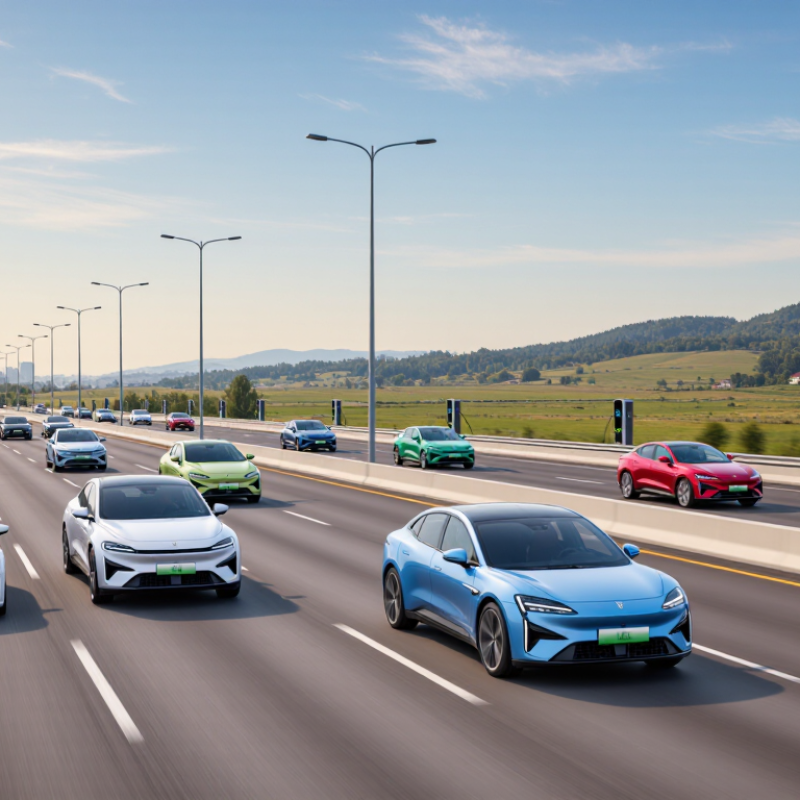
In 2026, an affordable electric car means more than a low showroom price. It must reduce monthly spending without creating expensive surprises. The International Energy Agency reported nearly 14 million electric car sales worldwide in 2023. Wider production is improving competition and lowering entry prices. Yet affordability depends on battery size, charging access, insurance, financing, and repair costs.
Battery prices remain central. BloombergNEF’s 2024 Battery Price Survey recorded an average lithium-ion pack price of 115 dollars per kilowatt-hour. That figure fell 20% from the previous year. Smaller batteries can lower prices and reduce energy use. However, they may limit highway range in colder weather. That trade-off matters.
Home charging usually costs less than public charging, according to household electricity rates tracked by the IEA. Drivers without parking access may pay more over time. Maintenance is often simpler, but tire wear and electronic repairs can still be costly. The ICCT’s total-cost studies also show that electricity and maintenance savings can offset higher purchase prices. Still, the result varies by country, mileage, taxes, and financing rates. A low sticker price can mislead. My definition remains imperfect. Real affordability should include three years of ownership, not only the first payment.
A brand-neutral comparison of representative affordable electric-car categories available or expected in major global markets during 2026.
| Affordability Rank | Representative Vehicle Type | Typical 2026 New-Car Price | Battery Capacity | Typical Rated Range | Energy Consumption | DC Fast-Charging Time | Best Use Case | Affordability Score |
|---|---|---|---|---|---|---|---|---|
| 1 | Small urban electric hatchback | US$12,000–20,000 | 20– thirty kWh | 150–240 km | 12–15 kWh/100 km | 25–40 minutes to approximately 80% | Short city trips, dense urban driving and low-cost commuting | 9.4/10 |
| 2 | Compact electric hatchback | US$18,000–28,000 | thirty–45 kWh | 220–350 km | 13–16 kWh/100 km | 25–40 minutes to approximately 80% | Daily commuting with occasional intercity travel | 9.0/10 |
| 3 | Small electric sedan | US$20,000–32,000 | 35– fifty kWh | 280–420 km | 13–16 kWh/100 km | 25–45 minutes to approximately 80% | Lower-cost family transport and mixed urban driving | 8.7/10 |
| 4 | Compact electric crossover | US$24,000–38,000 | forty–60 kWh | 300–450 km | 15–19 kWh/100 km | 30–45 minutes to approximately 80% | Families needing higher seating and flexible cargo space | 8.2/10 |
| 5 | Affordable electric supermini | US$22,000–35,000 | thirty–50 kWh | 250–390 km | 13–17 kWh/100 km | 25–45 minutes to approximately 80% | Urban and suburban driving with a balance of range and price | 8.5/10 |
| 6 | Entry-level electric wagon or family hatchback | US$28,000–42,000 | 45–65 kWh | 330–500 km | 15–18 kWh/100 km | 30–50 minutes to approximately 80% | Longer trips, family use and larger cargo requirements | 7.9/10 |
| 7 | Entry-level electric light commercial vehicle | US$30,000–48,000 | forty–75 kWh | 180–350 km | 20– thirty kWh/100 km | 35–60 minutes to approximately 80% | Urban deliveries, tradespeople and business fleets | 7.4/10 |
| 8 | Long-range compact electric sedan | US$ thirty–45,000 | fifty–75 kWh | 400–550 km | 14–18 kWh/100 km | 25–45 minutes to approximately 80% | High-mileage drivers seeking lower running costs | 7.8/10 |
Notes: Prices are indicative pre-tax international ranges in US dollars and exclude regional incentives, registration fees and financing costs. Range figures are typical published-test-cycle values; real-world range changes with temperature, speed, payload and road conditions. Energy-use figures are based on common 2024–2026 electric-vehicle efficiency ranges. “Affordable” considers purchase price, battery size, energy efficiency, charging access, maintenance requirements and expected total cost of ownership rather than price alone.
Affordability includes the purchase price, charging, insurance, repairs, financing, and resale value. A low price alone misleads. Estimate at least three years of ownership.
Battery packs averaged about 115 dollars per kilowatt-hour in 2024. Smaller packs usually reduce the purchase price and energy use. They may provide less highway range, especially during winter.
Usually, yes. Home electricity often costs less per kilowatt-hour. Public charging can become expensive for apartment residents without parking access. Check your real charging routine.
Use the same currency and comparison date. Record taxes, delivery fees, registration costs, incentives, and financing separately. Exchange rates can change quickly.
Estimate electricity for 15,000 kilometers yearly. Add insurance, tires, servicing, charging installation, financing, and possible battery coverage. Resale value matters too.
Not completely. Traffic, cold weather, hills, and heating can reduce range. Keep about a 15% range buffer. Real roads are messier.
A smaller battery may suit short daily commutes and urban driving. A larger battery helps frequent highway travel but raises purchase weight and cost. Measure your routine honestly.
Routine maintenance is often simpler than with conventional cars. However, tires, electronics, charging equipment, and accident repairs may cost more. The savings are not guaranteed.
Check rear-seat space, charging speed, nearby stations, winter range, and repair coverage. Read independent safety tests and owner maintenance records. A spreadsheet helps, but it cannot predict everything.
The search for the Most Affordable Electric Car in 2026 goes beyond the lowest purchase price. True affordability depends on battery size, driving range, charging efficiency, insurance, maintenance, taxes, financing, and expected resale value. This article explains the key factors for comparing electric car prices across different countries and regions, where incentives, electricity costs, infrastructure, and import policies can significantly affect total ownership expenses.
It also compares budget-friendly electric vehicles by market while considering practical needs such as battery range, charging speed, safety equipment, cabin space, warranty coverage, and long-term reliability. Readers will learn how to balance upfront cost with everyday usability and ownership savings. By evaluating driving habits, access to home or public charging, climate conditions, and available local support, buyers can choose a 2026 electric car that offers dependable transportation, reasonable running costs, and strong overall value.
