In the rapidly evolving landscape of the Auto Car industry, understanding emerging trends is essential for global buyers. Renowned automotive expert, Dr. Emily Harris, states, "The future of Auto Cars will be defined by sustainability and technology." Her insights reflect the shifting priorities of consumers and manufacturers alike.
One notable trend is the rise of electric vehicles. As environmental concerns grow, more buyers are looking for eco-friendly options. Additionally, autonomous driving technology is revolutionizing the way we think about transportation. These developments create both excitement and challenges for consumers.
Moreover, embracing digitalization in the Auto Car sector has become crucial. Brands must adapt to tech-savvy customers who expect seamless digital experiences. However, this shift requires reflection on how to balance innovation with traditional values. As we approach 2026, staying informed and adaptable will be vital for all automotive stakeholders.
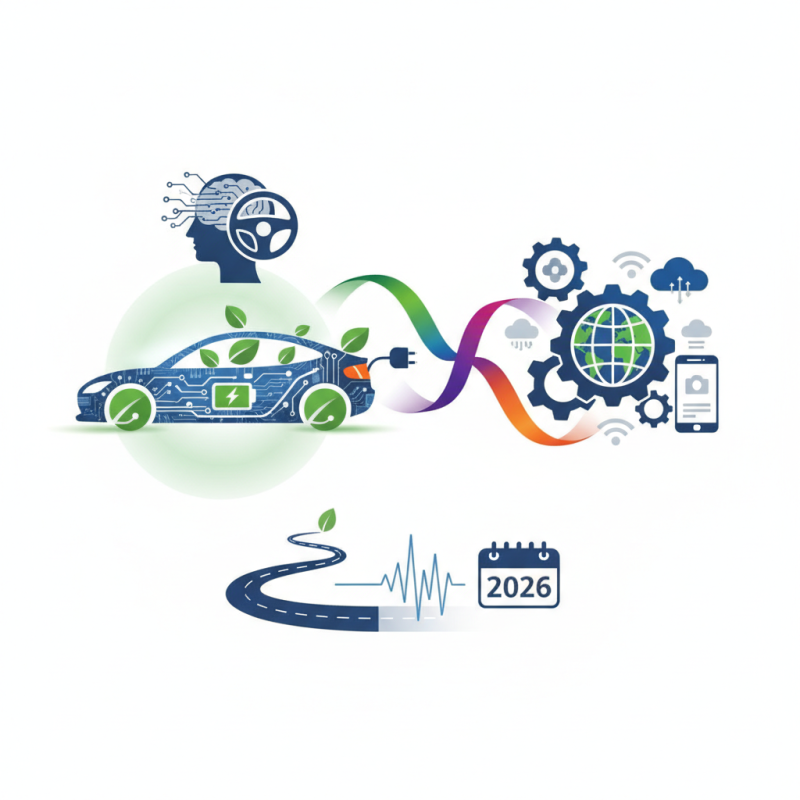
Emerging Technologies Revolutionizing the Auto Industry in 2026
As we approach 2026, the auto industry is on the brink of significant transformation. Emerging technologies are revolutionizing vehicle design and functionality, shaping the future of mobility. A recent report by McKinsey suggests that by 2026, approximately 30% of new cars sold will be fully electric. This shift is driven by an increasing demand for more sustainable and efficient transportation solutions.
Advancements in artificial intelligence (AI) are also changing the game. According to a report from Deloitte, the automotive sector is expected to invest around $100 billion in AI technologies by 2026. AI is enhancing everything from automated driving systems to personalized user experiences in vehicles. Companies are leveraging data analytics to improve safety and performance. However, challenges still exist. The integration of AI raises concerns about ethical decision-making in autonomous vehicles.
Connectivity is another focal point. The International Data Corporation (IDC) predicts that by 2026, around 90% of cars will be connected to the Internet. This connectivity allows for real-time communication between vehicles and infrastructure. It can improve traffic management and reduce congestion effectively. Yet, cybersecurity remains an unresolved issue in connected cars. As we embrace these new technologies, it is vital to address the risks they bring.
Sustainability Practices Shaping the Future of Car Manufacturing
Sustainability is more than a trend; it's a necessity in car manufacturing. Eco-friendly materials are gaining traction. Manufacturers are seeking alternatives to traditional resources. For instance, bio-based plastics and recycled metals are becoming standard. These materials reduce waste and lower the carbon footprint of vehicles.
Renewable energy sources are increasingly powering production lines. Factories are turning to solar and wind energy. This shift minimizes reliance on fossil fuels. Many manufacturers are also implementing closed-loop systems. These systems recycle water and materials, cutting down on resource depletion. Yet, questions about efficiency and overall impact linger.
Consumer awareness is rising. Buyers now want greener options. They demand transparency about production practices. However, not all companies meet these standards. Some still rely on outdated methods. As technology evolves, so too must manufacturing practices. It is crucial for the industry to continually reassess its impact on the planet.
2026 Top Auto Car Trends Every Global Buyer Should Know
| Trend |
Description |
Impact on Buyers |
Sustainability Aspect |
| Electric Vehicles (EVs) |
Increased availability and variety of EVs. |
Longer range and lower total ownership costs. |
Reduced greenhouse gas emissions. |
| Autonomous Driving Technology |
Increased investment in self-driving features. |
Enhanced safety and convenience. |
Potential reduction in traffic congestion. |
| Connected Vehicles |
Integration of IoT devices for smarter navigation and maintenance. |
Improved user experience through connectivity. |
Efficient energy management and reduced emissions. |
| Sustainable Materials |
Use of recycled and eco-friendly materials in car interiors. |
Higher value and appeal among eco-conscious consumers. |
Lower environmental impact during production. |
| Shared Mobility Solutions |
Rise of car-sharing and ride-hailing services. |
Cost-effective alternative to car ownership. |
Reduced vehicle production and resource usage. |
Consumer Preferences and Changing Demographics in Global Auto Markets
In 2026, global auto markets will see significant shifts influenced by consumer preferences and changing demographics. Younger buyers prioritize sustainability and tech integration in vehicles. A report by Deloitte indicates that 55% of millennials prefer electric vehicles over traditional models. This trend highlights a demand for greener options.
Older generations are also re-evaluating their needs. The AARP reports that baby boomers increasingly seek comfortable, user-friendly vehicles. They value safety features and ease of use. The desire for connectivity is growing across age groups. Statistics show that 72% of consumers want seamless smartphone integration.
Tips: Consider how these trends impact your next vehicle purchase. Explore electric and hybrid options. Test various models to find the best features for your lifestyle.
Cultural diversity also shapes preferences. Emerging markets are seeing a rise in compact vehicles. Many buyers in urban areas seek efficiency due to limited parking. However, this poses challenges for manufacturers to balance global and local needs.
In conclusion, understanding these evolving dynamics will be crucial for navigating the future auto landscape. Keep an eye on the diverse needs of various demographics as they continue to evolve.
Impact of Autonomous Driving on Car Design and Safety Features
The rise of autonomous driving is dramatically reshaping car design. According to a recent industry report by McKinsey, 60% of consumers expect cars to become fully autonomous by 2030. This shift prompts manufacturers to rethink traditional design protocols. New models focus more on spacious interiors and user-friendly interfaces. With the steering wheel becoming optional, the emphasis shifts to passenger comfort.
Safety features are also evolving. According to a study by the Insurance Institute for Highway Safety, vehicles equipped with advanced driver-assistance systems (ADAS) can reduce crash rates by 20%. These systems prioritize safety by integrating technologies like automatic emergency braking and lane-keeping assistance. However, reliance on technology raises concerns. Overconfidence in these systems may lead to reduced driver vigilance, creating potential hazards.
The challenge lies in balance. As cars become smarter, engineers must ensure that innovations do not compromise safety. Ongoing training for users is crucial. Many consumers are still unaware of their vehicles' advanced capabilities. Bridging this knowledge gap is vital for maximizing the benefits of autonomous driving. Preparing for these changes is essential, as the auto industry races to meet changing buyer expectations.
Electric Vehicles: Innovations and Market Trends to Watch in 2026
The electric vehicle (EV) market is evolving rapidly, driven by technological advancements and shifting consumer preferences. By 2026, a notable trend will be the diversification of battery technology. Solid-state batteries promise increased energy density and quicker charging times. However, challenges remain in production scalability and cost efficiency. Manufacturers are exploring options, but perfection is yet to be achieved.
Another trend is the rise of vehicle autonomy. Many new EVs will feature enhanced driver-assistance systems, making driving safer. Yet, concerns about data privacy and system reliability persist. As these technologies advance, some consumers may hesitate to fully trust automated systems. Companies need to prioritize transparency and user education to build confidence in these innovations.
Moreover, charging infrastructure continues to develop. More fast-charging stations will appear in urban areas and along highways. However, the challenge of charging speed and access remains significant for many users. Efforts to create universal charging standards are underway, but widespread compatibility is still a goal rather than a reality. Potential buyers should stay informed and patient as the industry continues to adjust.
Conclusion
The "2026 Top Auto Car Trends Every Global Buyer Should Know" highlights several transformative factors influencing the auto industry. Emerging technologies are set to revolutionize the manufacturing process and enhance vehicle features, making cars safer and more efficient. Sustainability practices are increasingly becoming a focal point, with manufacturers adopting eco-friendly methods to reduce their carbon footprint.
Additionally, shifting consumer preferences and demographics are reshaping global auto markets, prompting manufacturers to design vehicles that cater to diverse needs. The rise of autonomous driving is also impacting car design, with innovations in safety features and user experience at the forefront. Lastly, the electric vehicle sector is undergoing significant innovations, with trends indicating a strong market presence by 2026. In summary, the future of the auto car industry will be driven by technology, sustainability, and evolving consumer demands.
 Tianli
