
Tianli
As the automotive landscape continues to evolve, Fully Electric SUVs are becoming a prominent choice for eco-conscious drivers. These models combine spacious interiors with the latest technological advancements. Their appeal lies not only in sustainability but also in their performance capabilities.
In 2026, the market will showcase an exciting array of Fully Electric SUVs. Consumers will find options that cater to diverse needs, from families to outdoor adventurers. Electric vehicles (EVs) promise lower operating costs and reduced environmental impact. However, potential buyers should also consider the charging infrastructure in their area.
While the future looks bright for Fully Electric SUVs, challenges remain. Some models may not deliver the expected range or features. It's essential to research each option thoroughly. Understanding individual needs and circumstances can lead to better choices in this rapidly changing market.
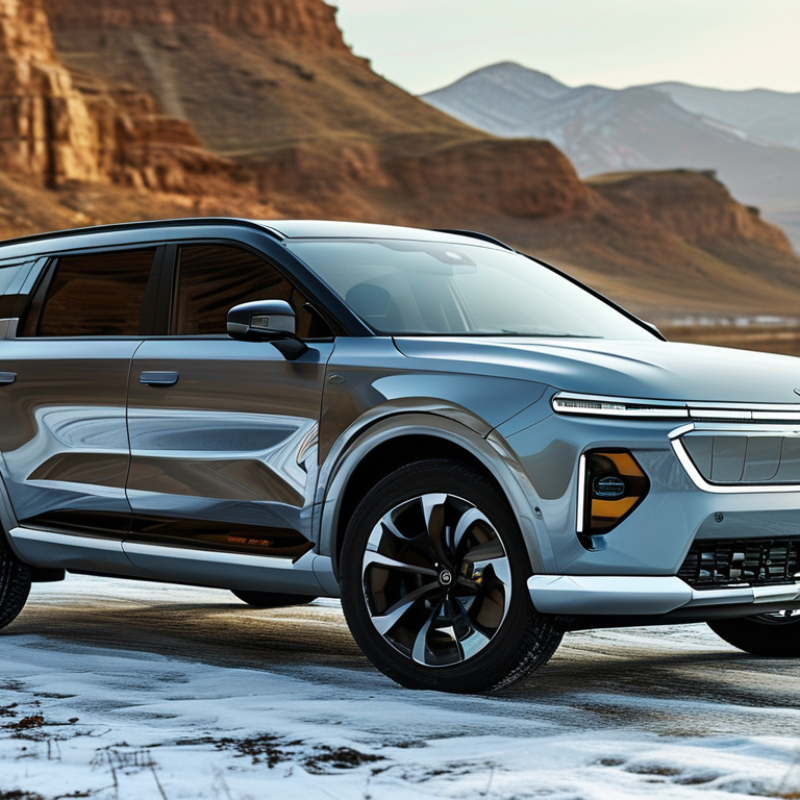
Electric SUVs are rapidly gaining importance in 2026. As consumers demand greener alternatives, manufacturers are focusing on fully electric models. These vehicles are designed to reduce carbon footprints while offering the same convenience as traditional SUVs. The significance of electric SUVs goes beyond mere transportation; they represent a shift toward sustainability in the automotive industry.
With advancements in battery technology, electric SUVs now boast extended ranges and quicker charging times. This makes them a viable option for everyday use. However, there are challenges that remain. The infrastructure for charging stations is still developing in many areas. Some regions struggle to support the growing number of electric vehicles on the road.
Consumers face choices among numerous models, each with unique features. The variety can be overwhelming. Many enthusiasts wonder if they should prioritize performance over sustainability or vice versa. The market is still evolving, and it may take time to find the ideal balance. Each decision carries weight, influencing not just individual lifestyles but also the environment.
When exploring the 2026 fully electric SUV market, several key features deserve attention.
Range is paramount. Aim for a distance of over 300 miles on a single charge. This ensures flexibility for long drives without frequent stops. Fast charging capabilities are essential, too. Look for models that can gain 80% charge in under 30 minutes. This feature drastically reduces downtime during travel.
Interior technology is another crucial element. Advanced driver assistance systems can enhance safety. Features like adaptive cruise control and lane-keeping assist should be standard. Additionally, infotainment systems should be user-friendly. Check for options that include seamless smartphone integration. Comfort also matters. Spacious cabins, adjustable seating, and quality materials can elevate the driving experience.
Pay attention to sustainability in manufacturing processes and materials. Eco-friendly choices reflect a commitment to reducing the carbon footprint. However, some models may lack this transparency. Potential buyers should research manufacturers’ environmental policies. The blend of performance, safety, and sustainability shapes the future of electric SUVs. As the market evolves, preferences may change. Stay informed to make a smarter choice in 2026.
The electric SUV market is rapidly evolving, with numerous models set to launch in 2026. This comparative analysis delves into the top contenders, showcasing their features and performance. Many fully electric SUVs now prioritize range and efficiency. Users expect models to deliver up to 300 miles on a single charge, which is becoming a standard benchmark.
Interior comfort and technology are key focus areas. The latest models promise spacious cabins, advanced infotainment systems, and enhanced safety features. However, some options may lack the refinement found in traditional luxury vehicles. This indicates an area for improvement, especially in premium segments.
Pricing remains a crucial factor for prospective buyers. While some electric SUVs come with hefty price tags, others offer competitive alternatives. Understanding the long-term cost benefits is essential. Energy efficiency can lead to substantial savings over time. Yet, the upfront investment might deter budget-conscious buyers.
The electric SUV market in 2026 is bold and dynamic, showcasing impressive performance and innovative technology. Many models are engineered for exceptional speed and efficiency. These vehicles often come equipped with cutting-edge battery technology, enabling ranges that rival traditional gas-powered cars. Additionally, rapid charging capabilities can now replenish batteries in under 30 minutes, appealing to modern consumers' needs.
Beyond sheer power, the integration of advanced technology is noteworthy. Many electric SUVs boast AI-assisted driving features, enhancing safety and ease of use. The infotainment systems are becoming more intuitive, with controls often voice-activated. Enhanced safety features, like automated emergency braking and lane-keeping assistance, can potentially reduce accidents. However, the reliability of these technologies can vary, necessitating consumer awareness.
While innovation is exciting, it is also essential to acknowledge challenges. The weight of these SUVs can impact efficiency, sometimes lessening perceived range. Furthermore, the manufacturing processes for batteries raise sustainability questions. As demand grows, the industry must continually evaluate its environmental footprint. Balancing high performance and ethical production is crucial moving forward.
The electric SUV market is evolving rapidly, driven by advancements in technology and changing consumer preferences. By 2026, we expect to see a diverse range of electric SUVs that cater to different lifestyles. Manufacturers are focusing on longer ranges, faster charging times, and sustainable materials. These aspects will significantly influence buyer decisions.
The trend indicates that electric SUVs will become more affordable. As battery technology improves, production costs may drop. This could lead to wider adoption, especially among families seeking eco-friendly options. Companies are also exploring vehicle-to-grid technology. This innovation allows vehicles to feed energy back into the grid, enhancing sustainability and offering potential savings for owners.
Investors and consumers should consider how new models will impact the market. Watch for features like enhanced autonomous driving capabilities. While many vehicles claim advanced tech, not all deliver reliable performance. Some limitations might persist in real-world conditions. Regular industry updates will help consumers stay informed on these developments.
: The 2026 electric SUVs offer impressive speed and efficiency. They have advanced battery technology for extended range.
Many electric SUVs can recharge in under 30 minutes. This appeals to modern consumer needs.
The electric SUVs feature AI-assisted driving, voice-activated controls, and advanced safety systems.
Yes, the reliability of technologies can vary. Consumers should stay aware of these differences.
Their weight can impact efficiency and perceived range. Sustainability in battery production is also a concern.
The market is becoming more affordable. Improved battery tech may lower production costs for consumers.
This technology allows electric SUVs to send energy back to the grid, promoting sustainability and potential savings.
Not all vehicles with advanced tech perform reliably. It's essential to monitor industry updates.
Longer ranges, faster charging times, and use of sustainable materials will significantly impact choices.
Balancing performance with ethical production is crucial. Sustainability concerns must be continuously evaluated.
The article "2026 Top Fully Electric SUV Models You Need to Know" provides an insightful overview of the burgeoning electric SUV market, highlighting their significance in 2026 as consumers increasingly shift towards sustainable transportation. Key features to consider include advanced battery technology, autonomous driving capabilities, and enhanced safety systems, making fully electric SUVs not only environmentally friendly but also technologically advanced.
A comparative analysis showcases the leading fully electric SUV models for 2026, focusing on their performance metrics and innovative technology trends. The discussion further explores future trends and market predictions, emphasizing that the demand for electric SUVs will continue to rise beyond 2026, driven by a commitment to reducing carbon emissions and a growing interest in eco-friendly vehicles. Overall, the article serves as a comprehensive guide for anyone interested in the evolving landscape of fully electric SUVs.