China has become a major testing ground for Affordable Electric Cars, combining large-scale production with rapidly improving battery technology. For global buyers, the attraction is clear: compact city models, practical hatchbacks, and family vehicles can offer competitive prices without abandoning modern features. Yet a low purchase price tells only part of the story.
Colin McKerracher, Head of Advanced Transport at BloombergNEF, has said, “The electric vehicle market is no longer a niche market.” That observation reflects China’s changing streets, where small electric cars share traffic with buses, delivery vans, and premium sedans. Our guide examines models through real ownership concerns, including driving range, charging access, battery warranties, cabin space, safety equipment, and likely maintenance costs. These details matter more than a glossy specification sheet.
Global shoppers should also examine import duties, local certification, software support, spare-parts access, and charging compatibility. Prices can change between the factory, exporter, and final buyer. Sometimes, dramatically. A vehicle that appears affordable online may become expensive after shipping, taxes, and regional compliance work. Independent reviews and official documentation remain essential, although they do not remove every uncertainty. Battery performance may decline faster in extreme heat, while winter range can disappoint careful buyers. Some judgments here are necessarily imperfect, because ownership data differs across countries and driving conditions. That limitation deserves attention. This introduction therefore treats Affordable Electric Cars as practical transport choices, not miracle products, helping readers compare value with evidence, caution, and realistic expectations.
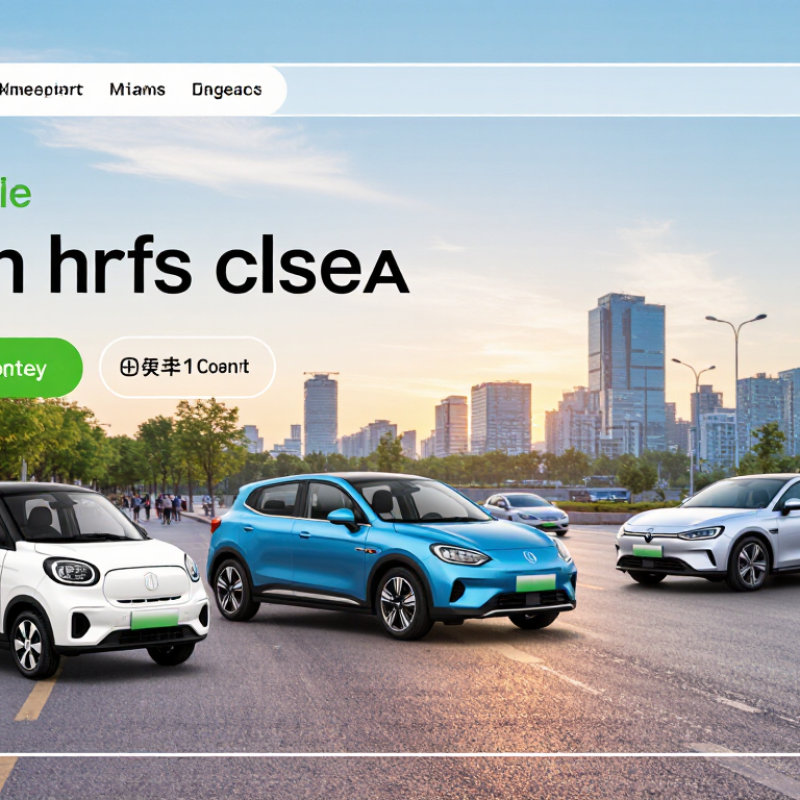
What Makes an Electric Car Affordable in China
An affordable electric car in China is not defined by its showroom price alone. The IEA’s Global EV Outlook 2024 reports that electric cars sold in China were generally cheaper than comparable models in Europe and the United States. Local battery production, dense supplier networks, and high manufacturing volume reduce costs. Compact bodywork also matters. A smaller battery, shorter cabin, and simpler interior can lower the purchase price without removing essential safety equipment.
Battery chemistry is a major cost factor. BloombergNEF reported an average lithium-ion battery pack price of 139 dollars per kWh in 2023, while China recorded lower pack prices than other major markets. Lithium iron phosphate cells often support this advantage because they use less expensive materials and offer stable cycle performance. That sounds simple, but range should be judged carefully. A 300-kilometre rated range may feel adequate in a city, yet winter heating, highway speeds, and heavy loads can reduce it noticeably.
Ownership costs reveal the harder truth. The IEA notes that charging access and electricity prices strongly influence the total cost of an electric vehicle. Home charging can make daily travel inexpensive, while frequent public charging may weaken the advantage. For global buyers, shipping, import duties, local certification, software compatibility, insurance, and spare-parts support can erase China’s initial price gap. A cheap car is not always an affordable car. That distinction still deserves more attention.
China’s Most Budget-Friendly Electric Car Models
China’s most budget-friendly electric cars are usually compact city hatchbacks, small sedans, and two-door microcars. Many begin near RMB 60,000 locally, but export prices rise after shipping, taxes, and certification. Their modest size makes parking easy on crowded streets. A 30–40 kWh battery can cover daily commuting, although highway trips may require careful planning. Some figures look impressive on paper. Real traffic, cold weather, and air-conditioning can reduce range.
For global buyers, the cheapest model is not always the wisest choice. Check charging compatibility, battery warranty, crash-test results, and parts availability before paying a deposit. A car built for China may need software changes or hardware adjustments overseas. Service support can also be limited outside major cities. That detail matters more than a low sticker price. I would inspect the battery report, underbody condition, and charging cable in person when possible.
Tips: Compare the complete landed cost, not only the factory price. Ask for written warranty terms and delivery responsibilities. Confirm local registration rules before shipment. A short test drive can reveal firm seats, narrow rear space, or weak sound insulation. These are small flaws, but they may become tiring every day. Budget electric cars can be excellent urban tools, yet buyers should accept fewer luxury features and slower charging.
Battery Range, Charging, and Everyday Performance
Affordable electric cars built in China are increasingly practical for global buyers, but battery figures need careful reading. The International Energy Agency’s Global EV Outlook 2024 reports that China held more than half of the world’s public charging points in 2023. That dense network supports confident daily driving in major cities. Outside China, coverage can be less predictable.
Look beyond the advertised range. Many budget models claim roughly 300 to 500 kilometers under China’s CLTC test cycle. Real-world distance may fall by 15% to 30% with motorway speeds, cold weather, heating, or heavy loads. WLTP results are usually more conservative. A 400-kilometer CLTC figure may feel closer to 300 kilometers during a winter highway trip. That difference matters.
Charging speed also shapes ownership. The China Electric Vehicle Charging Infrastructure Promotion Alliance recorded rapid growth in public chargers during 2024, including stronger fast-charging availability. Still, an affordable car may accept only 30 to 60 kilowatts on direct current charging. A 30-minute stop can add useful distance, but not always a full battery. Home charging remains simpler: an overnight alternating-current connection can cover most commuting needs.
Daily performance is often more important than headline acceleration. A smaller battery reduces weight and energy costs. Cabin heating can expose weaknesses. So can steep roads.
Buyers should request independent range tests, charging curves, battery warranties, and compatible connector details. Official numbers are useful, not perfect. Real roads remain the final test.
Ownership Costs, Safety, and Government Support
For global buyers, the sticker price is only part of an electric car’s cost. Insurance, home charging, public charging rates, and replacement parts can change the calculation. The IEA’s Global EV Outlook 2024 reports that China sold about 8.1 million electric cars in 2023, roughly 60% of global sales. That scale supports a broad market, but it does not guarantee easy servicing abroad. Shipping and local import charges can quickly erase a low purchase price.
Safety deserves a model-by-model check. Compare crash-test results from recognized programs, such as Euro NCAP, and confirm the rating applies to the exact vehicle version sold in your destination. Equipment can differ between markets. China’s purchase-tax policy also matters: eligible new-energy vehicles receive an exemption capped at 30,000 yuan in 2024 and 2025, under rules announced by Chinese authorities. Overseas buyers may not qualify, and destination-country taxes still apply. The spreadsheet can mislead.
Tips: Before paying a deposit, request the full landed-cost estimate, warranty terms, and local parts support. Check charging compatibility, too. A nearby fast charger is useful; a compatible connector is essential. Compare insurance quotes using the exact vehicle specification, not a similar listing.
How Global Buyers Can Purchase and Use These Cars
Top Affordable Electric Cars in China for Global Buyers
Global buyers should treat an electric car purchase as a local compliance project, not a simple online order. Check whether the vehicle meets your country’s safety, lighting, charging, and emissions-equipment rules. Some affordable models may require expensive modifications before registration. Ask the seller for battery specifications, charging standards, service records, and export documents. A third-party inspection can reveal panel damage, software restrictions, or battery-storage problems. It costs less than repairing a hidden fault later.
Compare the complete landed price, including shipping, customs duties, taxes, port charges, insurance, and registration. Confirm whether the car supports your home electricity system and public charging network. A plug adapter may not solve communication or voltage differences. Local support matters. Before payment, use a contract that identifies the vehicle identification number, delivery condition, warranty scope, refund terms, and spare-parts responsibility. Avoid sending money through unclear channels.
After arrival, arrange legal insurance and an approved inspection. Software access may depend on the original market, so test navigation, language settings, emergency functions, and mobile connectivity early. Battery performance also changes with cold weather, heavy loads, and fast charging habits. My own checklist would not be flawless; local regulations change, and sellers sometimes provide incomplete answers. Get written confirmation from transport authorities and an independent technician. Keep every invoice, inspection image, and message. Small details matter.
Top Affordable Electric Cars in China for Global Buyers - How Global Buyers Can Purchase and Use These Cars
| Vehicle Category |
Typical China Retail Price
(RMB) |
Typical Battery Capacity |
Typical Driving Range
(CLTC) |
AC Charging |
DC Fast Charging |
Best Use Case |
Global Buyer Considerations |
| Mini City EV |
45,000–90,000 |
9–20 kWh |
100–250 km |
3–8 hours using a 3.3–6.6 kW charger |
Often unavailable or limited |
Short urban trips, campuses and local commuting |
Usually requires individual import; limited crash certification and highway suitability should be checked carefully. |
| Small Hatchback EV |
80,000–150,000 |
30–55 kWh |
250–450 km |
5–9 hours using a 7 kW charger |
Approximately 30–60 minutes to 80%, depending on the vehicle |
Daily commuting and low-cost urban driving |
Confirm charging connector, software language, warranty coverage and local type-approval requirements. |
| Compact Sedan EV |
110,000–190,000 |
45–70 kWh |
400–550 km |
6–10 hours using a 7–11 kW charger |
Approximately 25–45 minutes to 80% |
Commuting, family use and moderate intercity travel |
A practical balance of price, range and luggage capacity; check whether the vehicle supports the destination market's charging standard. |
| Compact Crossover EV |
130,000–220,000 |
50–75 kWh |
400–550 km |
6–11 hours using a 7–11 kW charger |
Approximately 25–45 minutes to 80% |
Family transport, mixed urban and highway driving |
Higher ground clearance is useful, but shipping cost, vehicle weight and local safety testing can increase the final price. |
| Long-Range Sedan EV |
170,000–280,000 |
65–95 kWh |
500–700 km |
8–12 hours using an 11 kW charger |
Approximately 20–40 minutes to 80% |
Frequent highway travel and longer-distance journeys |
The advertised range is generally measured under the CLTC test cycle and may be lower under WLTP or real-world conditions. |
| Electric MPV or Light Van |
150,000–300,000 |
50–100 kWh |
250–500 km |
7–12 hours using a 7–11 kW charger |
Approximately 30–60 minutes to 80% |
Passenger transport, deliveries and commercial fleets |
Verify payload, seat configuration, commercial registration rules, cargo standards and after-sales service availability. |
Important purchasing notes:
Prices are indicative China-market ranges and exclude export preparation, inland transport, ocean freight, insurance, customs duties, taxes, registration, inspection and local modifications. Actual specifications vary by vehicle configuration. Buyers should confirm local homologation, right-hand-drive or left-hand-drive requirements, charging connector compatibility, battery warranty, software functions, spare-parts support and insurance eligibility before placing an order.
Recommended purchase process:
Select a vehicle approved for the destination market where possible; obtain a written quotation and vehicle identification details; use an export-capable seller or licensed importer; calculate the complete landed cost; arrange inspection and shipping insurance; complete customs clearance and conformity testing; then install a compatible home charger and register the vehicle locally.
Conclusion
Affordable Electric Cars in China are becoming increasingly attractive to global buyers because they combine accessible pricing with practical technology, efficient batteries, and low daily running costs. Affordability depends not only on the purchase price, but also on battery size, driving range, charging efficiency, maintenance needs, insurance, and available government incentives. Budget-friendly models often focus on compact designs, simple interiors, and reliable urban performance, making them suitable for commuting and short-distance travel.
This overview also considers real-world battery range, home and public charging, safety equipment, warranty coverage, and long-term ownership expenses. For international buyers, purchasing these vehicles requires careful attention to import rules, vehicle certification, charging standards, software compatibility, spare parts, and after-sales support in the destination country. With thorough research and proper planning, China’s affordable electric vehicle market can offer practical transportation options for buyers seeking lower operating costs and more environmentally conscious mobility.
 Tianli
