
Tianli
As the demand for sustainable transportation grows, Battery Cars have emerged as a leading solution. Many consumers are searching for eco-friendly alternatives to traditional vehicles. Battery Cars provide a clean energy option that reduces carbon emissions and promotes a healthier planet.
However, selecting the best Battery Car can be challenging. With numerous options available, potential buyers must navigate various features and specifications. Factors such as range, charging time, and overall cost are crucial in making informed decisions. It's essential to consider both the advantages and shortcomings of each model.
Ultimately, Battery Cars are not just about environmental benefits. They represent a shift towards innovative driving solutions. These vehicles can help redefine our transport habits. It's important to reflect on what features truly matter for your lifestyle, as every Battery Car has unique strengths and areas for improvement.
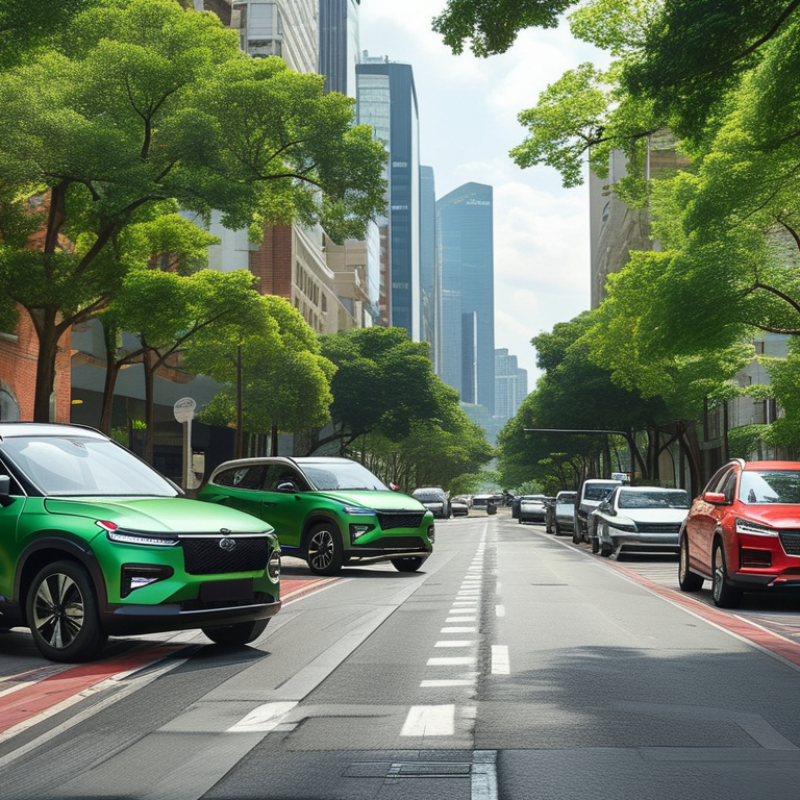
The rise of eco-friendly battery cars marks a pivotal shift in sustainable transportation. A report from the International Council on Clean Transportation highlights that battery electric vehicles (BEVs) produce zero tailpipe emissions. This makes them a significant step toward reducing urban air pollution. A study shows that if all vehicles transitioned to BEVs, global greenhouse gas emissions could drop by over 70% by 2040.
Several options are leading the charge in eco-friendly driving today. For instance, many modern battery cars have ranges exceeding 300 miles on a single charge, addressing a key consumer concern. Advanced regenerative braking systems reclaim energy, enhancing efficiency and performance. Interesting data from the U.S. Department of Energy reveals that the average cost per mile for electric vehicles is about one-third of that for gasoline vehicles.
However, challenges remain in widespread adoption. Charging infrastructure is still limited in many regions, causing range anxiety for potential users. Additionally, the environmental impact of battery production raises questions about sustainability. As the technology evolves, the focus must shift toward improving battery recycling methods and expanding charging accessibility. Addressing these issues will play a crucial role in the future of eco-friendly driving.
When exploring eco-friendly electric vehicles, several key features come to mind. Battery range is crucial. A longer range allows for more convenient travel without frequent recharging. Many drivers prefer vehicles that can cover over 200 miles on a single charge. Charging speed also matters. Fast-charging capabilities can significantly reduce downtime. Look for cars that can recharge 80% in under an hour.
Performance is a vital aspect too. Electric vehicles should deliver smooth acceleration and handling. Even lightweight models can provide an enjoyable driving experience. Safety features must not be overlooked. Advanced driver assistance systems enhance protection for passengers and pedestrians alike. Features like lane-keeping assist and automatic emergency braking are invaluable.
Finally, consider the overall environmental impact. Eco-friendly materials in the car’s interior contribute to sustainability. Life cycle assessments can help gauge the full ecological footprint of a vehicle. It’s not easy to find the right balance between performance and sustainability. Consumers may need to prioritize personal preferences while remaining mindful of environmental concerns.
When considering eco-friendly driving, electric car models stand out. They offer significant reductions in emissions compared to traditional vehicles. Range and charging time are key factors for consumers. Various models provide options that cater to diverse driving needs.
Some electric cars excel in range. Models claim over 300 miles on a single charge. However, real-world usage often shows less distance, especially in colder climates. Charging infrastructure is growing, but it remains inconsistent. Drivers may find themselves searching for stations, adding to travel time.
Performance varies widely among models. Some are designed for spirited driving, while others focus on efficiency. Handling can also differ significantly. Potential buyers should test drive to understand what suits their style. This process may reveal unexpected preferences and needs, highlighting the importance of personal experience in selecting a vehicle.
As more drivers shift to battery-powered vehicles, the environmental impact of battery production and disposal comes into sharp focus. The extraction of raw materials for batteries, like lithium and cobalt, raises significant ethical and ecological concerns. Mining processes often damage local ecosystems and can displace communities, reminding us of the complex trade-offs in pursuing eco-friendly options.
Tips for consumers include opting for models with a higher lifespan and recycling credits available for used batteries. Not all battery technologies are equal. Some may require extensive resources for production, while others offer longer-lasting energy. Every choice counts, so do your research on battery sourcing practices.
Disposal of batteries poses another challenge. Many end up in landfills, leaking harmful substances. Responsible recycling programs are crucial to minimizing damage. Some organizations offer drop-off points for old batteries. A conscious effort in selecting both your vehicle and your battery can positively influence sustainability.
| Model | Battery Capacity (kWh) | Range (miles) | Environmental Impact (CO2 emissions during production) | Disposal Options |
|---|---|---|---|---|
| Electric Car A | 75 | 250 | 150 kg | Recycling available |
| Electric Car B | 100 | 300 | 180 kg | Donation & Recycling |
| Electric Car C | 60 | 220 | 120 kg | Recycling & Repurposing |
| Electric Car D | 85 | 270 | 160 kg | Energy recovery |
| Electric Car E | 90 | 310 | 200 kg | Recycling partnerships |
As the world shifts towards sustainable driving, the future of eco-friendly electric vehicles (EVs) looks promising. Innovations in battery technology are leading the charge in this transition. Manufacturers are focusing on improving battery efficiency and lifespan while reducing costs. Solid-state batteries are gaining attention for their potential to offer higher energy density. This could translate to longer ranges and shorter charging times. However, challenges remain in scalability and production.
Many consumers are eager to adopt electric cars, but they are concerned about charging infrastructure. Growing networks of fast chargers are essential for ease of use. Cities are investing in more charging stations, providing drivers with the convenience they desire. This expansion helps alleviate range anxiety, making electric vehicles a more attractive option.
Tips for choosing an eco-friendly vehicle include considering the battery range and charging options. It's important to evaluate your daily driving needs to determine the right model for you. Research the available incentives for EV purchases in your area. Understanding the total cost of ownership can guide your decision. Each consumer's needs differ, and it’s worth reflecting on how an electric vehicle fits into your lifestyle.
: Battery range is crucial. Longer ranges allow for convenient travel without frequent stops for recharging.
Fast-charging capabilities are vital. Look for models that can recharge 80% in under an hour.
Look for smooth acceleration and handling. Lightweight models can still provide an enjoyable driving experience.
Yes, advanced safety features enhance protection for passengers and pedestrians. Lane-keeping and automatic braking are key.
Eco-friendly materials contribute to sustainability. Assessing a vehicle’s overall ecological footprint is essential.
Extracting materials like lithium can harm ecosystems. Ethical concerns arise from mining processes and community displacement.
Avoid landfills. Look for recycling programs that offer drop-off points for old batteries.
Yes, performance varies widely. Test driving helps you understand your preferences and what suits your style.
Absolutely. Models with longer-lasting batteries are often more sustainable and cost-effective in the long run.
Investigate the practices behind battery production. Some technologies require extensive resources, affecting overall sustainability.
The article explores the best battery car options for eco-friendly driving, highlighting the top electric vehicles currently available in the market. It delves into key features that consumers should consider when selecting an eco-friendly battery car, such as range, charging infrastructure, and sustainability certifications. A comparative analysis of leading electric car models helps potential buyers understand their strengths and weaknesses in terms of performance, cost, and environmental benefits.
Additionally, the article addresses the environmental impact of battery production and disposal, emphasizing the importance of responsible manufacturing practices. Future trends in eco-friendly electric vehicle technology are also discussed, giving readers insight into innovations that could further reduce the ecological footprint of battery cars. Overall, the piece serves as a comprehensive guide for anyone looking to make an informed decision about transitioning to an eco-friendly driving option.
