
Tianli
As the electrical car industry continues to evolve, buyers around the globe face new choices. The 2026 models promise significant advancements in technology, range, and sustainability. Industry expert Dr. Linda Carter, a renowned automotive analyst, states, "The future of electrical cars is not just about efficiency but also about style and user experience."
Many electric car models are now designed with the buyer in mind. Features like longer battery life and faster charging times have become standard. However, issues like charging infrastructure remain a concern. Some regions lack the necessary support for widespread adoption. While the market is growing, not all consumers are aware of the available options.
Buyers must weigh their needs against the available technologies. It's important to consider factors like maintenance, cost, and resale value. The ever-changing landscape can be overwhelming. More information can lead to better decisions. With the right knowledge, consumers can embrace the future of transportation confidently.
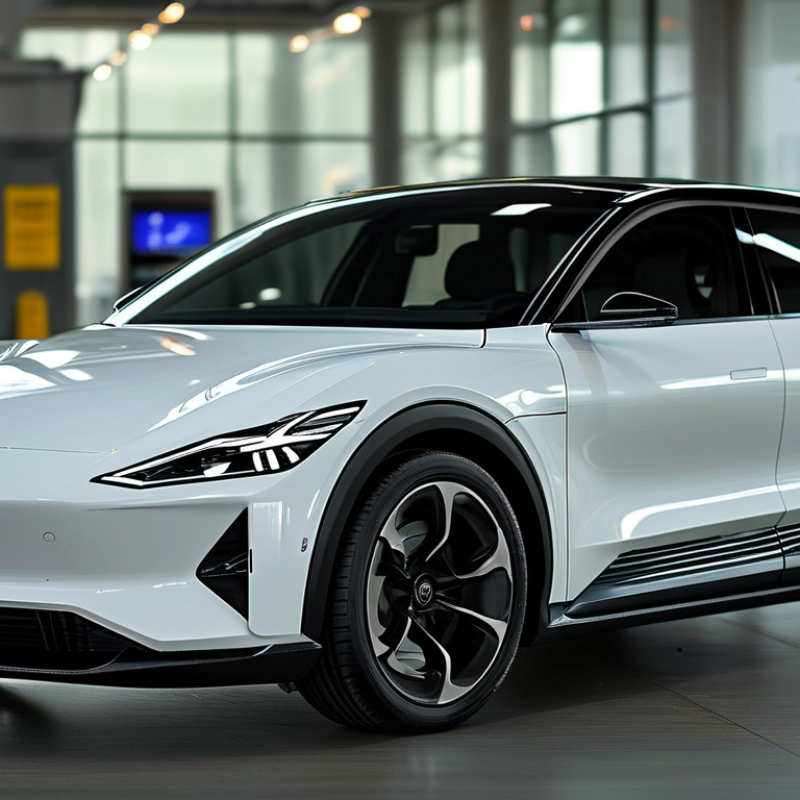
The electric car market is experiencing significant growth as we approach 2026. There is an increasing urgency for sustainable transportation solutions. Consumers are now more aware of climate change. This awareness drives demand for electric vehicles (EVs) that offer eco-friendly alternatives.
Recent trends indicate a shift in consumer preferences. Many buyers are looking for methods to reduce their carbon footprint. As a result, manufacturers are focusing on improving battery technology and expanding EV ranges. Attractive designs and advanced features capture consumer interest. However, challenges remain. Charging infrastructure needs considerable expansion in many regions. Additionally, the cost of EVs still deters some potential buyers.
Environmental regulations are becoming stricter worldwide. This shift pushes manufacturers to innovate faster. Thus, we can anticipate a broader range of models available by 2026. Collaboration between governments and the private sector is essential. It is crucial for enhancing the EV landscape. Overall, the electric car market shows promise. Yet, persistent barriers require ongoing reevaluation and commitment from all stakeholders.
As we look towards 2026, several key factors are likely to influence electric vehicle sales. According to industry reports, global electric vehicle sales are predicted to reach 30 million units by this year. This growth is primarily driven by consumer demand for sustainable transportation and government incentives aimed at reducing carbon emissions.
Battery technology is a crucial element here. Innovations in battery performance are expected to extend range while lowering costs. Currently, average battery prices have dropped 87% since 2010. Yet, some challenges remain. Supply chain issues and sourcing of raw materials like lithium can create hurdles in production.
Tips: When considering an electric vehicle, evaluate range and charging options. Visit local charging stations to gauge accessibility. This ensures a smoother transition to electric.
Additionally, consumer education plays a vital role in growth. Many potential buyers are still unaware of the benefits and savings associated with electric vehicles despite lower operating costs. Increasing awareness about these advantages will be imperative to drive adoption.
Tips: Research the total cost of ownership. It includes maintenance, fueling, and potential tax credits. Being informed helps make a sound investment decision.
| Model | Range (miles) | Charging Time (hours) | Price (USD) | Safety Rating |
|---|---|---|---|---|
| Electric Model A | 350 | 1.5 | 40,000 | 5 Stars |
| Electric Model B | 300 | 2.0 | 35,000 | 4 Stars |
| Electric Model C | 400 | 1.2 | 50,000 | 5 Stars |
| Electric Model D | 280 | 3.0 | 30,000 | 4 Stars |
| Electric Model E | 450 | 1.0 | 55,000 | 5 Stars |
The electric vehicle market is rapidly evolving, and by 2026, numerous models are catching the eye of global buyers. Among these models, design, battery range, and advanced features will be pivotal in decision-making. Recent industry reports highlight a growth rate of over 20% annually for electric vehicles in several regions, showcasing the rising consumer interest in environmentally friendly transport options.
Top contenders include models equipped with cutting-edge technology. Features like autonomous driving, advanced infotainment systems, and seamless smartphone integration are becoming common. Specifications such as a range exceeding 400 miles and rapid charging capabilities are vital. For instance, vehicles with 0-60 mph acceleration in under 5 seconds are also gaining attention.
Tips:
Always test-drive multiple models. Understanding diverse driving experiences is crucial. Look into local incentives for electric vehicle purchases, which can significantly offset costs. Evaluate charging infrastructure in your area; accessibility can greatly influence your ownership experience. While electric cars present exciting advantages, potential buyers should also reflect on their daily travel needs and the available charging options, as this may influence overall satisfaction.
The global market for electric vehicles (EVs) is growing rapidly. However, EV charging infrastructure varies significantly across different regions. According to a recent report by the International Energy Agency, charging stations are crucial for encouraging EV adoption. In 2023, North America had over 100,000 public charging points. Yet, many rural areas still lack adequate access.
In Europe, the charging landscape is more developed. Countries like Norway and The Netherlands have invested heavily in charging stations, resulting in high EV penetration. However, there are still gaps in rural electrification. A report by McKinsey found that while urban centers often have ample charging options, drivers in less populated locations face challenges. Such disparities can hinder the overall growth of the EV market.
Asia also presents a mixed picture. While countries like China lead in the sheer number of charging stations, issues like inconsistent charging standards can confuse consumers. A study from Bloomberg New Energy Finance indicated that as of 2022, only 25% of charging stations offered fast-charging capability. This inconsistency can deter potential buyers. Addressing these gaps will be essential for boosting global EV adoption.
As electric vehicles (EVs) gain traction, consumer preferences continue to evolve. In 2026, data shows growing interest in sustainability. A recent report indicates that nearly 70% of new car buyers prioritize eco-friendly options. This shift highlights a significant focus on reducing carbon footprints. Many consumers are now examining the environmental impact before making a purchase.
Range anxiety remains a prominent concern, with 54% of potential buyers citing it as a barrier. A study reveals that 80% of consumers prefer models with a minimum range of 300 miles. This desire for practicality leads to increased demand for faster charging capabilities. Convenience is key in shaping buyer decisions.
While features and technology are appealing, affordability is critical. Approximately 58% of consumers indicate that price heavily influences their choices. This suggests a potential disconnect, as many affordable models lack desired features. Companies must address this gap to attract a broader audience, balancing innovation with accessible pricing. Thus, understanding these preferences is crucial for the evolving electric vehicle market.
: Look for design, battery range, and advanced technology features.
Different driving experiences can help you find the best fit for your needs.
Incentives can significantly reduce overall costs and encourage adoption.
Evaluate the accessibility and number of charging stations in your area.
Many models can go from 0-60 mph in under 5 seconds.
North America has many stations, but rural access may be limited.
Lack of access can hinder the growth of the electric vehicle market.
Inconsistent charging standards may confuse and deter potential buyers.
Countries like Norway are advanced, yet rural areas still face gaps.
Yes, understanding your travel patterns can impact overall satisfaction with ownership.
As the electric car market continues to evolve, the 2026 landscape reveals significant trends and growth projections that suggest an accelerating demand for electric vehicles. Key factors influencing sales include advancements in battery technology, increased government incentives, and a growing awareness of environmental issues among consumers. Additionally, a comparative analysis of EV charging infrastructure across major markets highlights varying readiness levels, which impacts consumer adoption rates.
The article identifies the top five electric car models for global buyers, focusing on their innovative features and specifications that cater to diverse consumer needs. Insights into consumer preferences for electric vehicle purchases indicate a shift towards sustainability, performance, and advanced technologies. Overall, the 2026 electric car market appears poised for robust growth, driven by a combination of improved infrastructure, evolving consumer attitudes, and technological enhancements in electric vehicles.