
Tianli
Choosing a Phev Suv in 2026 means balancing electric driving, fuel flexibility, passenger space, and cost. For global buyers, the best option is not always the model with the longest advertised electric range. Local charging access, climate, road conditions, and dealer support can matter just as much. Small details count. A charger beside the driveway changes daily use; a long commute without reliable charging changes the calculation. Fuel availability and warranty coverage also vary by market. Even vehicles sharing a model name may differ between countries.
This guide introduces ten PHEV SUVs worth considering and explains what makes each relevant to different drivers. It looks at electric-only range, efficiency, cabin practicality, safety features, charging needs, and likely ownership trade-offs. Specifications and equipment can differ by trim and region, so buyers should confirm figures with local manufacturers or dealers before making a decision. Treat official range as a comparison point, not a promise. Real routes are messier. Cold weather, hills, speed, and cabin heating can reduce electric distance. A larger SUV may offer useful room for children, luggage, or outdoor gear, yet carry extra weight and cost more to run. That compromise is easy to overlook. No single vehicle suits every household, and a global ranking cannot capture every local condition. The aim here is a practical shortlist, not a universal verdict. A careful test drive—and an honest look at everyday charging habits—may change the order.
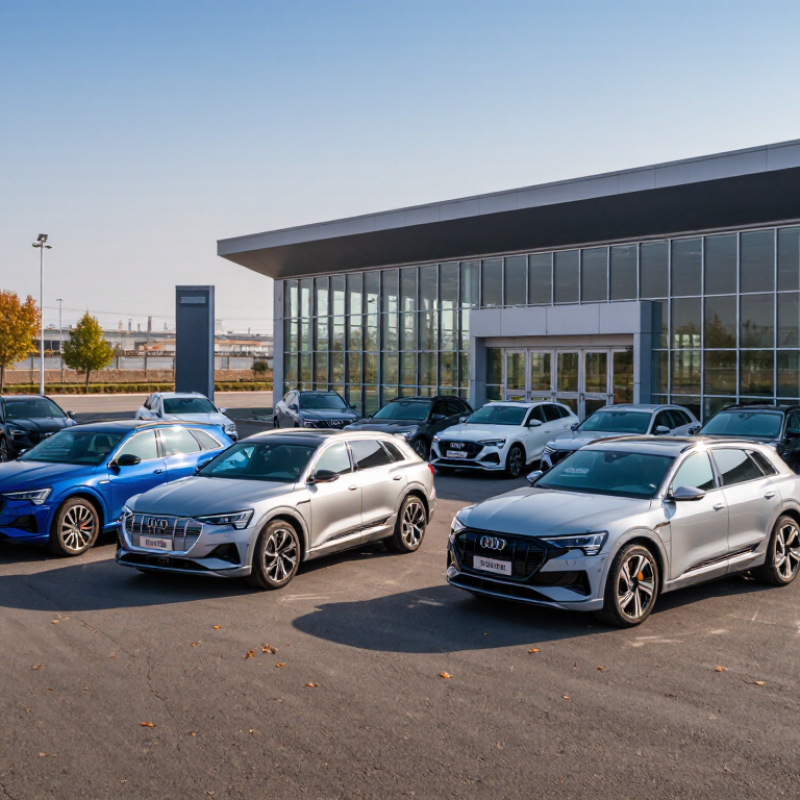
The International Energy Agency’s Global EV Outlook 2024 reports that plug-in hybrid electric vehicle sales reached about 4.2 million worldwide in 2023, up roughly 35% from 2022. A PHEV combines a rechargeable battery and electric motor with a fuel-powered engine. Drivers can plug it in, while regenerative braking also returns some energy to the battery. On short trips, it may run on electricity alone; when charge runs low, the engine can assist or take over. The transition varies by model and driving conditions.
That matters. The sales figure shows growing interest, but it does not tell us how often owners charge. Regular charging is what allows a PHEV to make meaningful use of its electric system.
A European Commission analysis of cars registered in 2021 found that real-world PHEV CO2 emissions averaged about 3.5 times their official type-approval values. This finding applies to the vehicles and conditions studied, not every market. Still, it highlights a practical gap: a drained battery, frequent long journeys, or limited access to charging can increase fuel use.
Buyers comparing SUVs should look beyond the advertised electric range and consider their daily distance, charging routine, and typical highway use. One limitation is easy to overlook: published test figures cannot predict every household’s results.
When comparing 10 PHEV SUVs, treat electric range as a starting point, not a promise. A quoted range may use a different test cycle from the one used in your country. Compare figures measured under the same standard, then consider your daily route, winter temperatures, and highway speed. Small differences matter. A short commute may fit within electric range; a long, fast drive can use the battery sooner.
Tips: Check usable battery capacity, charging time, and the charging equipment included. A vehicle that can charge overnight at home may suit daily errands, even with a modest electric range. If you rely on public chargers, confirm connector compatibility and local access before buying. Charging power alone does not tell the whole story.
Efficiency depends on charging regularly and driving patterns. An ICCT 2022 analysis of European PHEVs found that real-world CO₂ emissions averaged about 3.5 times official test values for privately used vehicles. That is a reminder to assess fuel use with the battery depleted, not just the best-case electric figure. I still find published comparisons messy: test methods and owner habits vary. Look for independent road tests alongside official data, and compare both electric-only range and fuel economy after the charge runs low.
An anonymized comparison of recent U.S.-market EPA estimates. Longer electric range can suit more daily trips; MPGe reflects energy efficiency while operating in electric mode.
Figures vary by model year, trim, and testing market. Charging time is not shown because it depends on the vehicle’s onboard charger and the power supply; check the specific vehicle’s charging specifications before comparing.
Comparing ten plug-in hybrid SUVs in 2026 means looking beyond headline electric-range figures. A useful spec sheet should show battery capacity, tested electric range, fuel consumption after the battery is depleted, and charging time. These figures help explain what happens on a weekday commute and on a long family trip. Test cycles vary by region, so two range claims may not be directly comparable.
For daily use, a larger battery can reduce petrol use when charging is frequent, but it may add weight and take up cargo space. Check whether a typical suitcase fits beneath the load cover, and whether the rear seats fold flat. Charging details matter too. A home wall unit may refill some batteries overnight, while a standard socket can take much longer. Public charging support differs across markets.
Power output and acceleration are useful, but they rarely tell the whole story. Look at usable cargo volume, rear legroom, towing limits, warranty terms, and local service access. Running costs depend on electricity prices, fuel prices, climate, and driving habits. Real life differs. Advertised efficiency can fall during cold weather or fast motorway travel. This comparison is imperfect without consistent regional test data, and buyers should verify local specifications before choosing.
For the 10 best PHEV SUVs for global buyers in 2026, electric range figures need careful reading. WLTP, EPA, and CLTC results come from different test procedures, so they are not direct equivalents. WLTP is used widely across many markets, EPA testing reflects United States procedures, and CLTC is China’s domestic cycle. Each measures performance under defined conditions, not every family’s daily commute. A longer published range does not automatically mean a better real-world choice.
Tips: Compare the same model year and trim. Check wheel size, battery capacity, and whether the figure is electric-only range. Also look for fuel economy after the battery charge is depleted. Small details matter.
Temperature, speed, hills, cabin heating, and traffic can all change usable range. A cold morning with the heater running may shorten an electric trip; steady urban driving may produce a different result. Treat test figures as comparison tools, not promises. For a fair shortlist, compare vehicles under the same rating system, then check local owner data and charging access. Even then, the comparison is imperfect: public data may not match your route, and test-cycle conversions can create false precision. That gap is worth remembering.
For a plug-in hybrid SUV, the purchase price is only the opening figure. Estimate weekly charging, fuel, servicing, insurance, and tyre costs before comparing vehicles. A short commute may suit regular home charging; long motorway trips can reduce the electric share and raise fuel use. Public charging prices vary, too. Keep a simple log of energy and fuel use for the first month. It may expose assumptions that looked sensible on paper.
Warranty details deserve close reading. Check coverage length, mileage limits, battery capacity conditions, and whether terms differ in your country. Ask how repairs are handled if you travel across borders. A long warranty sounds reassuring, but exclusions and local dealer support matter. I would not treat the headline term as the whole promise.
For safety, look up the exact model year and tested variant in Euro NCAP’s published results. Equipment can differ between markets, and a rating may not apply unchanged to every trim. Review crash protection and driver-assistance performance, not just the star count. These tests offer useful comparisons, not a guarantee in every collision. Check that features such as automatic emergency braking are fitted to the vehicle you are buying. Small print is easy to miss. So are changing specifications.
No. Each cycle uses different procedures and conditions. Compare vehicles under the same rating system.
Cold weather, cabin heating, hills, speed, and traffic can reduce usable range. A chilly morning may change the result.
Match the model year and trim. Check wheel size, battery capacity, and whether the figure means electric-only range. Small details matter.
Not necessarily. Your commute and charging access matter more. A bigger number can look convincing, but it may not fit your route.
Include charging, fuel, servicing, insurance, and tyres. Track energy and fuel use for a month. Your estimate may need revising.
Review coverage length, mileage limits, battery conditions, and local repair support. Ask how repairs work when travelling across borders.
Find results for the exact model year and tested variant. Compare crash protection and driver-assistance performance, not just stars.
No. Equipment can vary by market and trim. Confirm that key features are fitted; paperwork is easy to overlook.
This guide explores why the Phev Suv has become an appealing choice for drivers seeking electric commuting with the flexibility of a fuel-powered backup. With the IEA recording 4.2 million plug-in hybrid vehicle sales worldwide in 2023, the category is gaining attention across markets. The article explains how these vehicles combine an electric motor, rechargeable battery, and combustion engine, then outlines how to compare ten leading SUV options for 2026 by electric driving range, energy efficiency, battery capacity, and charging capability.
Because official range figures vary by testing method, the guide clarifies how WLTP, EPA, and CLTC results should be interpreted rather than compared as if they were identical. It also considers the broader ownership picture, including expected running costs, warranty coverage, and Euro NCAP safety ratings. Together, these factors help global buyers assess which type of plug-in hybrid SUV best suits their daily journeys, charging access, budget, and regional driving needs.
