
Tianli
As the global market for green transportation shifts, small electric cars are gaining traction. Experts predict that by 2026, these vehicles will become a popular choice for urban commuters. Dr. Jane Harper, a leading authority in electric vehicle technology, states, "Small electric cars balance efficiency and convenience perfectly." This reflects a growing trend toward sustainable living.
The increasing demand for small electric cars showcases a shift toward environmentally friendly options. City dwellers favor compact designs that navigate traffic and fit into tight parking spots. Manufacturing advancements allow for improved battery life and charging times, making them even more appealing. Innovations in this sector continue to evolve, but challenges remain.
While the future looks bright, questions linger about infrastructure. Charging stations need to be more widespread to keep pace with demand. Consumers seek reliability and performance in small electric cars, yet hesitation exists regarding range anxiety. As the industry progresses, addressing these concerns is crucial for widespread adoption.
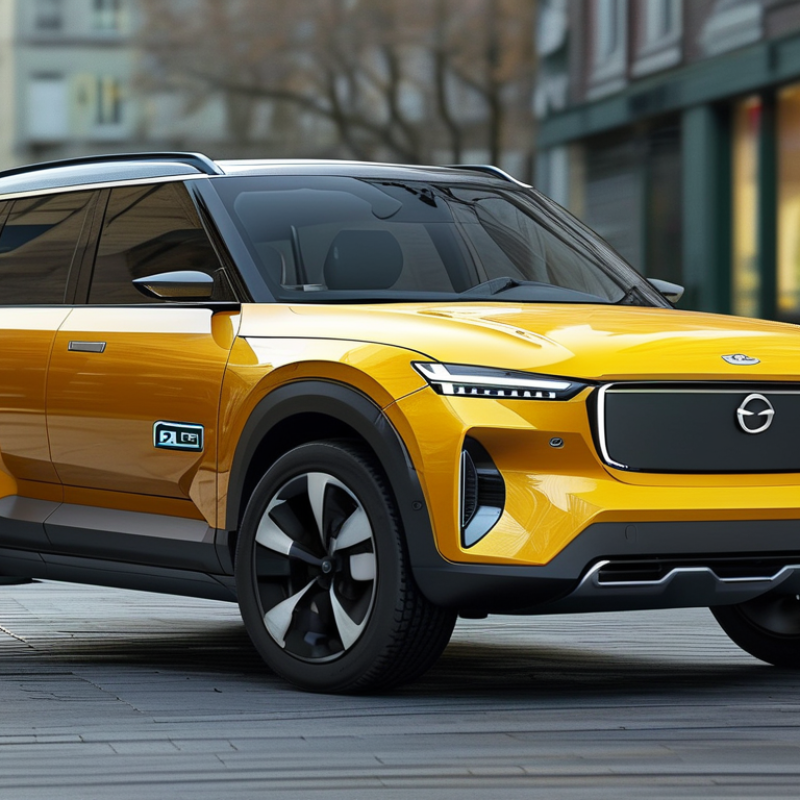
The small electric car market is evolving rapidly, with numerous options for buyers in 2026. Consumers are increasingly focused on sustainability and efficiency. Compact designs offer an attractive blend of usability and eco-friendliness. This segment is not just about size; it represents innovation in technology and design.
Several manufacturers are shifting their attention to electric models that appeal to urban dwellers. These vehicles cater to a lifestyle that prioritizes practicality. Features like extended battery life and advanced safety assist systems will also be key selling points. Buyers in city environments will seek models that navigate tight spaces easily and charge quickly.
However, there are challenges to consider. Infrastructure for charging stations is still developing in many areas. Potential buyers might feel uncertain about long-distance travel in these vehicles. Price sensitivity remains a concern, especially in varying global markets. The growing competition may lead to exciting advancements, but it brings its own set of hurdles for manufacturers and consumers alike.
When considering small electric cars, buyers should prioritize several crucial features. Range is one of the most significant. A vehicle that can travel at least 200 miles on a single charge is desirable. This reduces anxiety about running out of battery during daily commutes or weekend trips. Buyers may also want to evaluate charging speed, as faster charging stations can make a big difference in convenience.
Another essential feature is interior space. Small cars shouldn't compromise comfort or functionality. Adequate legroom and cargo space can enhance the driving experience. Infotainment technology also plays a vital role. Look for vehicles that offer intuitive interfaces and smartphone integration. These features can make daily drives more enjoyable and keep drivers connected.
Battery longevity is another key consideration. As technology improves, buyers should seek models with warranties that extend beyond eight years. Considering the resale value can also be beneficial. There may be uncertainties about how well certain models retain value over time. Thoughtful buyers should weigh these factors against their lifestyle needs, ensuring they make a well-informed choice.
The small electric car market is projected to expand significantly by 2026. According to a recent market analysis, small electric vehicles (EVs) could account for 30% of the total electric vehicle market globally. This shift reflects the growing demand for compact and eco-friendly transportation options. Urbanization and rising emissions regulations drive this trend, as consumers seek solutions that reduce their carbon footprint.
Innovative designs and technologies play a crucial role in this evolution. Many manufacturers focus on affordability, functionality, and energy efficiency. For example, advancements in battery technology may allow small EVs to achieve over 300 miles on a single charge by 2026. This is a substantial improvement that enhances the appeal of these vehicles. It could lead to a significant increase in the global electric vehicle adoption rate.
Consider these aspects when choosing a small electric car for your needs. Look for models with high safety ratings and efficient use of space. Evaluate the cost of ownership, including charging infrastructure and maintenance. Not all small electric cars will meet the criteria, so being informed is essential. Effective research can help avoid costly mistakes. Prioritizing reputable sources for reviews and performance reports can offer valuable insights into your choices.
The small electric car market is evolving rapidly. By 2026, buyers will face numerous options with various pricing and range capabilities. Industry reports indicate that the average price of small electric cars is expected to range between $25,000 and $35,000. Affordability remains a crucial factor for consumers, particularly in urban areas where budget constraints are common.
Range is another vital aspect. Many 2026 models aim to exceed 250 miles on a single charge. This figure aligns with the needs of modern city dwellers. However, some vehicles may still struggle with longer trips, revealing gaps in the current technology. For buyers, understanding these limitations will be essential.
When considering a small electric car, evaluate real-world range versus manufacturer claims. Look for reviews that highlight everyday use. Charging infrastructure varies significantly by location. Urban areas typically offer more charging stations compared to rural settings. Potential buyers should also assess battery life and warranty options. Investing in an electric car can be rewarding, but careful consideration of specific needs is important.
The environmental impact of small electric cars is crucial as we approach 2026. These vehicles present a viable solution to reduce greenhouse gas emissions. They use electricity instead of fossil fuels, minimizing air pollution. However, the environmental benefits depend on how electricity is generated. If it comes from renewable sources, the impact is positive.
Manufacturing small electric cars raises questions too. Battery production often involves mining for raw materials. This can disrupt ecosystems and lead to pollution. Efficient recycling methods are necessary for sustainability. Innovations in battery technology aim to address these concerns, but challenges remain.
Transportation choices play a role in sustainability. Consider your usage patterns before buying. Evaluate charging infrastructure in your area. For city dwellers, small electric cars can offer efficiency and ease. They often provide tax incentives and reduced operational costs. Think about long-term effects on the environment when making a decision. Choosing wisely can contribute to a cleaner future.
| Model | Battery Size (kWh) | Range (miles) | Charging Time (hours) | CO2 Emissions (g/km) | Price (USD) |
|---|---|---|---|---|---|
| Compact EV A | 50 | 200 | 5 | 0 | 30,000 |
| Compact EV B | 40 | 180 | 4.5 | 0 | 28,000 |
| Compact EV C | 55 | 220 | 6 | 0 | 32,500 |
| Compact EV D | 60 | 230 | 7 | 0 | 35,000 |
: Focus on range, charging speed, and interior space. Comfort is vital for your driving experience.
Look for models that travel at least 200 miles on a single charge. This reduces range anxiety.
Charging speed significantly affects convenience. Faster charging stations make daily use easier and more efficient.
Yes, seek models with warranties extending beyond eight years. Longevity can impact your ownership experience.
Absolutely. Prices typically range from $25,000 to $35,000, which can affect buyer decisions.
Charging stations are still developing, especially in rural areas. Urban regions usually have better access.
Compare real-world data with manufacturer claims. Reviews about everyday usage can provide valuable insights.
Buyers face uncertainties about long-distance travel and the resale value of vehicles, reflecting market evolution.
Infotainment enhances connectivity and the driving experience. Look for intuitive interfaces that keep you engaged.
Yes, adequate legroom and cargo space are necessary. Don’t compromise on comfort for size alone.
In 2026, the small electric car market is anticipated to flourish as consumers increasingly prioritize eco-friendly transportation solutions. An overview of this sector highlights significant advancements in battery technology and design, focusing on compact vehicles that offer efficiency and practicality for urban environments. Key features to consider when choosing a small electric car include range, charging times, and innovative safety technologies that enhance driving experiences.
A comparative analysis reveals diverse pricing structures and range capabilities among various models, catering to different consumer needs. Furthermore, the environmental impact of small electric cars is noteworthy, as they contribute to reduced carbon emissions and promote sustainability. Overall, the small electric car segment is poised to play a vital role in the broader transition towards greener mobility solutions in the coming years.
