
Why is Car Shopping So Difficult for Buyers Today?

Time:2026-07-09 Author:Henry
0%

Car shopping has become a daunting task for many buyers today. The market is filled with endless choices, fluctuating prices, and supply chain challenges. This situation leads to confusion and frustration among potential car owners. Many buyers find themselves overwhelmed by the vast options available.

The rise of technology has changed the car shopping experience. Online research offers a wealth of information, yet not all of it is reliable. Buyers often struggle to discern trustworthy sources from misleading ads. Additionally, dealerships face inventory shortages, making it harder to find specific models. Limited availability can lead to rushed decisions that may not align with buyers’ needs.

Many shoppers leave the process feeling unsatisfied. They may choose a vehicle that doesn’t fully meet their expectations. Reflecting on these challenges can lead to better decision-making. Understanding the complexities of car shopping is essential for future buyers. This awareness can help them navigate the market more effectively.
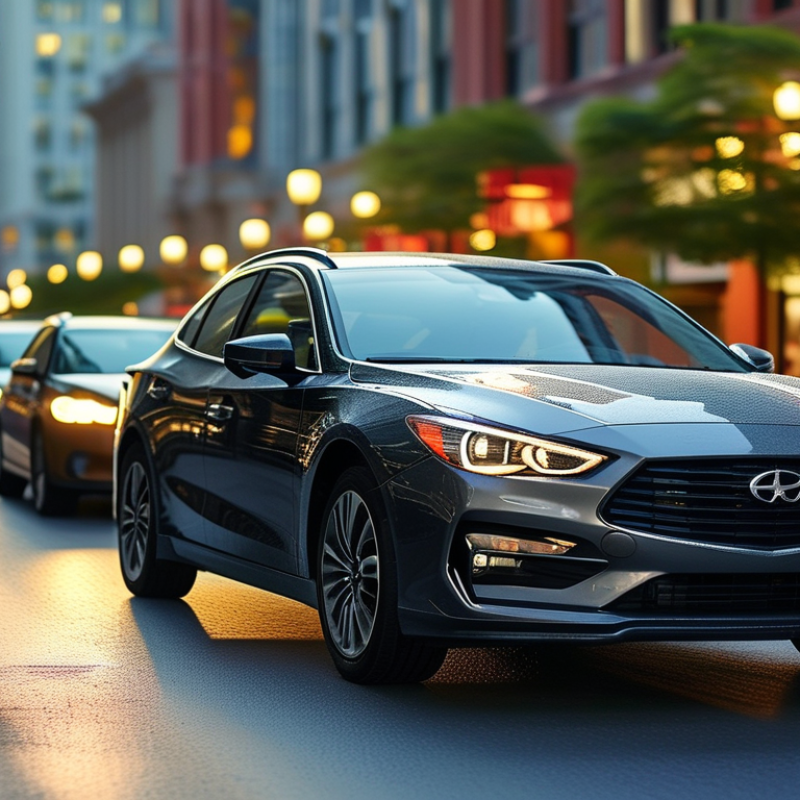
Why is Car Shopping So Difficult for Buyers Today?

Challenges of Limited Vehicle Availability in Today's Market

Car shopping has become a challenging experience for many buyers today. One significant issue is the limited availability of vehicles. Supply chain disruptions have affected production rates. Many buyers find their preferred models out of stock. This leaves them feeling frustrated and uncertain.


Dealers are struggling to meet demand. As a result, waiting lists for popular models have grown longer. Buyers often have to compromise on features or choose less desirable alternatives. The scarcity of inventory can lead to higher prices as well. Many people feel pressured to make quick decisions.


Another hurdle is the complexity of new technology in vehicles. Modern cars are equipped with advanced features, yet the learning curve can be steep. Buyers may feel overwhelmed by options like electric vehicles and driver-assist systems. This adds another layer of difficulty in the car-buying process. The overall landscape has changed, and buyers must navigate these challenges with patience and careful consideration.

Impact of Rising Prices on Consumer Decision-Making

Car shopping has become increasingly challenging for many buyers. Rising prices are a major factor that complicates decision-making. High vehicle costs may lead potential buyers to postpone their purchases. This hesitation can create feelings of anxiety and frustration among consumers. A significant percentage of buyers are now reconsidering budget constraints.

As prices soar, buyers also face limited inventory options. Many dealerships are struggling to maintain an adequate stock of vehicles. This scarcity puts pressure on consumers to make quick decisions. When choices are constrained, it can lead to buyer’s remorse. It's important for buyers to weigh their options carefully and not rush into a purchase.

Moreover, the emotional impact of rising prices can’t be overlooked. Buyers often feel overwhelmed by financial pressures. This emotional strain can cloud judgment. It can lead to impulsive decisions that do not align with long-term needs. Buyers should take the time to reflect on their priorities. Understanding one’s financial situation can help mitigate regret later.

Why is Car Shopping So Difficult for Buyers Today? - Impact of Rising Prices on Consumer Decision-Making

Parameter 2021 Average 2022 Average 2023 Average
Average Vehicle Price ($) $42,000 $45,000 $48,500
Interest Rate (%) 3.5% 4.0% 5.5%
Monthly Payment ($) $600 $650 $750
Buyer Confidence Index 70 65 60
Cars Available for Purchase (in millions) 3.2 2.8 2.2

Influence of Supply Chain Disruptions on Car Dealerships

Car shopping has become increasingly challenging for buyers due to significant supply chain disruptions. The COVID-19 pandemic brought chaotic delays in production. According to a report from IHS Markit, global semiconductor shortages have caused a decrease in vehicle production by nearly 1.8 million units in 2021 alone. This shortage has led to fewer cars available at dealerships and has pushed prices to record highs.

Many dealerships now struggle to keep inventory on their lots. A stark example is the average new car inventory, which fell to just 1.2 million units in early 2023, compared to 3.5 million units a few years prior. As a result, buyers find themselves facing limited choices and elevated costs. Supports exist for shoppers, such as negotiating more aggressively or exploring financing options prior to visiting a dealership.

Tip: Research online to gain insights into current car market trends. Understanding regional pricing can help buyers avoid inflated dealership prices. Buyers should also consider used vehicles, as they may provide better value in the current landscape.

Dealerships often need to adapt quickly. They might implement digital tools for transparent pricing. However, while they can manage the inventory crisis, the effects ripple through the market, leaving many buyers frustrated. Staying informed and remaining flexible is crucial in such an unpredictable environment.

Role of Financing Options and Interest Rates in Car Shopping

Financing options play a crucial role in today's car shopping experience. Consumers often face confusion due to fluctuating interest rates and numerous financing choices available. A recent report from the Federal Reserve shows that average auto loan interest rates are now around 6.2%. This is a stark increase from 3.3% just two years ago. Higher rates can significantly affect monthly payments, pushing buyers' budgets to their limits.

Many buyers underestimate the impact of loan terms on total cost. While longer-term loans offer lower monthly payments, they often lead to paying more in interest over time. Industry analysis suggests that the average car loan is now over 70 months long. This extended duration can trap buyers in a cycle of debt, making it difficult to trade in or sell their vehicles.

Additionally, potential buyers may not have access to the best financing options. Many consumers lack awareness of their credit standings. According to Experian, nearly 30% of car buyers do not check their credit scores before shopping. This can lead to missed opportunities for securing favorable financing terms. In essence, the combination of rising interest rates and limited financial literacy can cause frustration and challenges in the car shopping process.

Effects of Technology and Online Platforms on Buyer Experience

Car shopping has transformed dramatically due to technology and online platforms. Buyers now have access to a wealth of information. However, this abundance can lead to confusion and overwhelm. Many customers find it challenging to navigate countless reviews and price comparisons. For instance, a simple search can yield thousands of results. This creates pressure on buyers to make informed decisions quickly.

Online platforms often lack personalized guidance. While algorithms suggest options, they cannot account for individual preferences. Buyers might feel lost without traditional dealership support. The digital experience can sometimes feel impersonal. Furthermore, discrepancies in online listings can lead to disappointment. A vehicle might look perfect online but turn out to be quite different in person.

Despite the convenience of online shopping, buyers often grapple with decision fatigue. The desire for the best deal clashes with the sheer number of choices available. This paradox makes shopping feel daunting rather than exciting. Many buyers are left questioning whether they made the right choice after finalizing a deal. Balancing technology and personal experience remains a challenge in today’s car market.

Why is Car Shopping So Difficult for Buyers Today?

The chart above illustrates the main challenges faced by car buyers today. Price transparency and availability of information are the most significant issues, with more than a third of buyers indicating these factors complicate their shopping experience.

FAQS

: What challenge do car buyers face today?

: Limited vehicle availability is a major challenge for many buyers.

Why are some cars out of stock?

Supply chain disruptions have affected production rates, leading to fewer available models.

How does limited inventory affect pricing?

Scarcity can lead to higher prices, pressuring buyers to make quick decisions.

What might buyers have to compromise on?

Buyers may compromise on features or choose less desirable alternatives.

How does new technology complicate car shopping?

Advanced features create a steep learning curve, overwhelming some buyers.

What is the current average auto loan interest rate?

The average interest rate is around 6.2%, up from 3.3% two years ago.

How do long loan terms impact buyers?

Longer loans may offer lower payments but often result in more paid interest.

What is a common mistake people make regarding financing?

Many underestimate the importance of checking their credit scores before shopping.

How long is the average car loan now?

The average car loan duration is now over 70 months.

Why are some buyers frustrated during the car shopping process?

Rising interest rates and limited financial literacy contribute to their frustration.

Conclusion

Car shopping has become increasingly challenging for buyers due to a multitude of factors. Limited vehicle availability in today's market has created a competitive landscape, forcing consumers to make quicker decisions amid rising prices that impact their purchasing power. Additionally, supply chain disruptions have affected car dealerships, leading to delays and decreased inventory, which further complicates the buying experience.

Financing options and fluctuating interest rates also play significant roles in consumer decision-making, adding another layer of complexity to the process. As buyers navigate these hurdles, the influence of technology and online platforms continues to reshape the car shopping experience, providing new avenues for research and comparison, but also introducing challenges in evaluating the authenticity of information. Overall, these factors combine to create a daunting environment for potential car buyers today.

Henry

Henry

Henry is a dedicated marketing professional with a profound expertise in the company's offerings. With years of experience in the industry, he possesses an impressive understanding of the market dynamics and consumer behaviors that drive success. Henry is committed to sharing his insights through......