 Tianli
Tianli
Tianli
Choosing the China Best Longest Range Electric Car Suppliers? requires more than comparing advertised kilometers. A reliable review should examine battery capacity, motor efficiency, charging performance, and vehicle weight. The phrase “Longest Range Electric Car” often reflects laboratory testing, not every driver’s daily experience.
Experienced buyers should request verified test reports, warranty terms, and battery degradation policies. A supplier may quote 700 kilometers under controlled conditions. Real traffic, cold weather, air conditioning, and highway speeds can reduce that figure. Ask for evidence. Do not rely only on brochures.
Strong suppliers usually provide clear factory information, traceable components, export experience, and responsive technical support. Their vehicles should meet the required safety and certification standards in the destination market. After-sales service matters too. A distant replacement battery can create weeks of costly downtime. Inspect sample vehicles carefully, including panel gaps, charging ports, software language, and cabin materials. Small details reveal production discipline.
Still, no supplier comparison is perfect. Published range data may not be directly comparable between brands. Some factories also change specifications without updating online listings. That deserves careful review. Buyers should compare independent inspections, warranty coverage, delivery records, and total ownership costs before signing an agreement. The best choice may not offer the highest number. It should offer dependable range, honest documentation, stable quality, and practical support after delivery. This guide introduces key Chinese suppliers and explains how to assess their claims with evidence, experience, and reasonable caution.
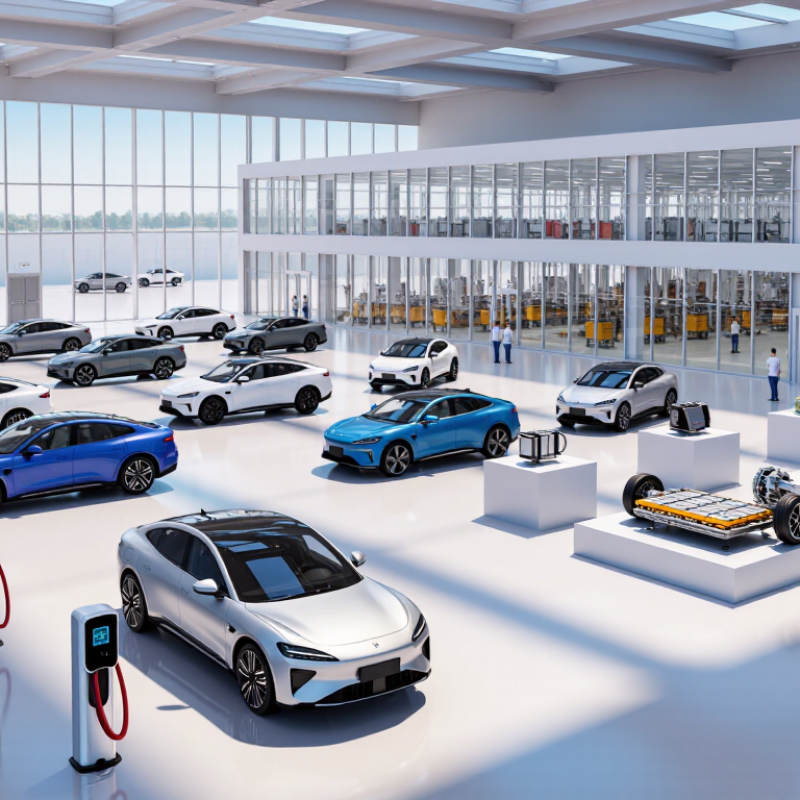
In China, a long-range electric car usually means a pure battery vehicle with a rated range above 600 kilometers under the CLTC test cycle. This figure is useful, but it is not a promise for every journey. CLTC testing favors gentle speeds and mild conditions. Real drivers may see less range.
Battery capacity, motor efficiency, body weight, and software all affect distance. A well-designed vehicle may travel efficiently through city traffic, where regenerative braking helps recover energy. On highways, speed, wind, rain, and air-conditioning can reduce range quickly. Winter temperatures create another problem. Cold batteries charge and discharge less efficiently.
When assessing electric car suppliers, buyers should request CLTC and WLTP figures separately. They should also examine usable battery capacity, charging performance, thermal management, and warranty terms. A 700-kilometer rating may sound impressive. However, a smaller battery with stronger efficiency can be more practical than a heavier battery with a larger headline number. Public charging coverage matters too, especially outside major Chinese cities.
Independent road tests offer valuable evidence, though testing methods still differ. I would not judge range from one dashboard reading. It is better to compare several journeys, including highway travel and cold-weather driving. The definition remains flexible. That is the part many purchasing guides simplify too much.
Check battery capacity, usable energy, vehicle weight, motor efficiency, and tested consumption. Laboratory range can fall during winter, rain, hills, or highway driving. Real roads matter.
Request independent test reports with matching weather, speed, road, and load conditions. Ask how the range was measured. Attractive numbers may hide limitations.
Review cell test data, battery traceability, thermal management, charging curves, and documented failure rates. Confirm the battery warranty and recycling plan. Details matter.
Inspect production lines, quality checkpoints, and final vehicle inspections. Confirm that every vehicle receives documented checks before shipment. A polished sample proves little.
Require clear repair responsibilities, software support, spare-parts availability, and response times. Check whether remote diagnostic tools work locally. A vehicle waiting in a workshop loses value.
Use pilot vehicles and independent inspections. Test door alignment, cabin noise, braking response, charging stability, and navigation accuracy. Try ordinary roads, not only a showroom floor.
Include freight, tariffs, spare parts, technician training, insurance, and charging support. Compare total ownership costs, not just the purchase quotation. Small omissions become expensive.
Verify references from fleet operators or established distributors. Compare promised delivery dates with previous records. Staged payments can reduce exposure, but risks remain.
Be cautious about vague certification, weak service networks, missing test data, and unrealistic delivery promises. Some suppliers communicate well before payment, then become difficult. I have underestimated service coverage before. That mistake was costly.
China’s long-range electric vehicle market is developing rapidly, offering buyers a wide selection of models, technologies, and supplier capabilities. A Longest Range Electric Car is generally defined by its ability to travel farther on a single full charge under standardized testing conditions, although real-world performance may vary with weather, speed, road conditions, payload, and driving habits. When comparing Chinese electric car suppliers, buyers should consider battery capacity, energy efficiency, charging speed, battery durability, safety systems, manufacturing quality, warranty coverage, after-sales support, and compliance with local regulations.
Leading suppliers compete by improving battery chemistry, thermal management, lightweight vehicle design, intelligent energy control, and fast-charging solutions. Selecting the best supplier requires more than comparing advertised range; buyers should evaluate independent test results, charging-network compatibility, total ownership costs, service availability, production reliability, and long-term technical support. A balanced assessment of driving range, practicality, safety, price, and supplier reputation can help customers choose a dependable long-range electric vehicle for daily travel and extended journeys.
