China’s electric vehicle industry has moved from local experimentation to global-scale production. The International Energy Agency’s Global EV Outlook 2025 reports that worldwide electric car sales exceeded 17 million units in 2024. China accounted for more than 11 million of those sales, making its manufacturing depth impossible to ignore.
This article examines China’s top 10 options for families seeking a 7 Seater Electric Car. These vehicles can offer silent city travel, flexible cargo space, and lower operating costs. However, showroom claims do not always match daily experience. A full cabin, winter temperatures, roof loads, and highway speeds can reduce driving range noticeably.
Space matters. So does confidence.
The assessment considers usable third-row space, battery capacity, charging performance, driving range, safety equipment, warranty support, and overseas service readiness. Data from the IEA, China Association of Automobile Manufacturers, and independent safety-testing organizations provides useful context, but specifications still vary by market. Some Chinese models may use different software, charging standards, or safety features after export.
A larger battery is not automatically better. It can increase weight, price, and charging time. Buyers should also inspect child-seat access, luggage room behind the third row, and real-world energy consumption. These details often matter more than impressive acceleration figures.
The ranking is therefore practical rather than purely promotional. It recognizes China’s strong technical progress while leaving room for doubt, verification, and improvement. For global buyers, the best 7 Seater Electric Car is not simply the newest model. It is the one that fits family routines, local regulations, charging networks, and long-term ownership expectations.
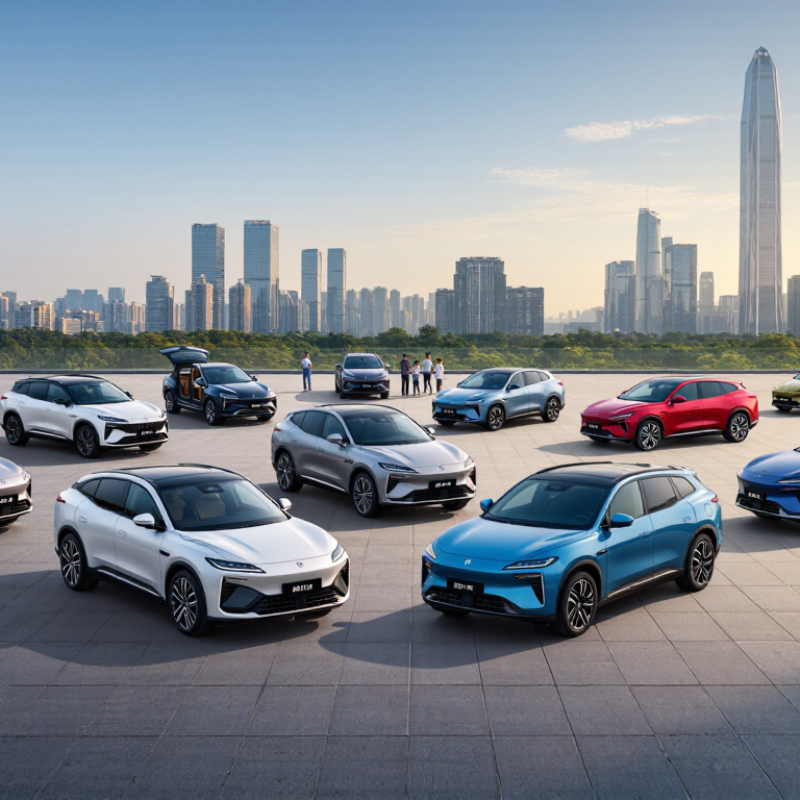
What Defines a Seven-Seater Electric Car for Global Buyers
A seven-seater electric car should offer seven usable places, not a marketing label.
For global buyers, the third row needs safe access, adequate headroom, and enough knee space for adults on short journeys. A practical cabin also includes flexible folding seats, child-restraint points, wide doors, and luggage space behind the final row. These details matter more than a large touchscreen.
Real-world usability depends on climate, road quality, and passenger weight. Cold weather can reduce driving range, while strong air conditioning increases energy use in hot regions.
Buyers should check battery capacity, charging speed, connector compatibility, and local charging support. A well-designed vehicle should remain stable when fully occupied.
Its brakes, suspension, and payload rating deserve careful review. Official range figures are useful, but they do not replace a loaded test drive.
Tips:
Sit in every row before buying. Place a suitcase behind the third row. Test the rear-door opening with children or older passengers in mind. Ask whether software, battery, and safety support are available in your country. Do not assume every seven-seat layout fits seven adults comfortably. I have found that small details, such as cup-holder placement and rear ventilation, shape daily satisfaction. Some published specifications also omit usable luggage volume. That gap deserves questioning.
Selection Criteria for China’s Top Seven-Seater Electric Cars
Selecting China’s top seven-seater electric cars requires more than counting seats. We examine usable space, safety, charging, efficiency, and ownership support. The IEA’s Global EV Outlook 2024 reported that China represented more than 60% of global electric-car sales in 2023. This scale strengthens supply chains, but volume alone proves little.
Our shortlist starts with third-row practicality. Adults should enter without folding the second row completely. We measure knee room, luggage space, payload, and child-seat access. Battery performance is tested beyond laboratory figures. Real-world range, winter losses, and highway efficiency matter more. The IEA notes that public charging infrastructure in China expanded rapidly in 2023, yet overseas buyers may face different connector standards and charging networks.
Safety receives equal weight. We check independent crash-test results, emergency braking, lane support, and battery protection. Euro NCAP’s 2023 protocols place stronger attention on vulnerable road users and driver assistance, useful references for family vehicles. Charging speed must be verified at high and low battery levels. Software language, warranty coverage, spare-parts access, and service training also affect reliability. BloombergNEF’s Electric Vehicle Outlook 2024 recorded a 14% fall in average battery-pack prices in 2023, but cheaper batteries do not guarantee better durability. Our criteria are practical, though not perfect; comfort judgments still depend on body size, climate, and road conditions.
China Top 10 7 Seater Electric Cars for Global Buyers
Selection Criteria for China’s Top Seven-Seater Electric Cars
The chart uses a 100-point editorial screening framework based on the measurable factors most relevant to international buyers: usable range, charging capability, passenger practicality, safety, efficiency, ownership value, warranty support, and climate performance. It contains no company or brand data.
China’s Top 10 Seven-Seater Electric Cars Compared
China’s top 10 seven-seater electric cars deserve comparison beyond advertised range. The shortlist should examine cabin space, charging speed, safety equipment, suspension comfort, and usable luggage capacity. A third-row seat may fit children well but feel restrictive for adults.
The IEA’s Global EV Outlook 2024 reported that China represented nearly 60% of global electric car sales in 2023. That scale supports stronger battery supply chains and broader vehicle choice. However, range figures often use laboratory conditions. Real-world results can fall during winter, heavy rain, or highway driving with seven occupants. Buyers should check independent road tests, not rely only on showroom screens.
Battery size is only one factor. The ten vehicles should be compared by energy consumption, warranty coverage, charging access, and driver-assistance performance. The ICCT has repeatedly highlighted efficiency as a major factor in reducing electric-car energy demand. A heavier seven-seater can consume noticeably more electricity than a compact model. Cargo space also matters: with all seats raised, some vehicles leave room only for soft bags. Crash-test evidence may remain uneven across markets, so local certification should be verified carefully. The ranking is useful, but not perfect. Family priorities differ. A long-range model may lose value when public charging is scarce. A cheaper vehicle may offer better daily practicality than a faster, more luxurious alternative.
China Top 10 7 Seater Electric Cars for Global Buyers - China’s Top 10 Seven-Seater Electric Cars Compared
| Rank |
Vehicle |
Body Type |
Seats |
Battery Capacity |
Claimed Range |
Peak Power |
Dimensions
(L × W × H) |
Fast-Charging Time |
Global-Buyer Highlights |
| 1 |
Vehicle 01 |
Large electric SUV |
7 |
108.8 kWh |
528 km WLTP |
380 kW |
4,900 × 1,950 × 1,725 mm |
About 30 min
10–80% |
All-wheel drive, mature export support and strong family-oriented safety equipment. |
| 2 |
Vehicle 02 |
Premium electric SUV |
7 |
100 kWh |
605 km CLTC |
480 kW |
5,099 × 1,989 × 1,750 mm |
About 30 min
10–80% |
Very powerful dual-motor system, spacious cabin and available battery-swapping ecosystem. |
| 3 |
Vehicle 03 |
Electric MPV |
7 |
101.5 kWh |
702 km CLTC |
370 kW |
5,293 × 1,988 × 1,785 mm |
About 20 min
10–80% |
Long-range family MPV with sliding rear doors, advanced driver assistance and rear-wheel steering. |
| 4 |
Vehicle 04 |
Luxury electric MPV |
7 |
108.7 kWh |
475 km CLTC |
320 kW |
5,315 × 1,980 × 1,820 mm |
About 35 min
20–80% |
Executive-grade interior, generous second-row comfort and a high-capacity traction battery. |
| 5 |
Vehicle 05 |
Large electric MPV |
7 |
90 kWh |
440 km WLTP |
180 kW |
5,270 × 2,000 × 1,840 mm |
About 30 min
20–80% |
Practical three-row layout, wide body and a specification designed for European-style family travel. |
| 6 |
Vehicle 06 |
Full-size electric SUV |
7 |
120 kWh |
510 km NEDC |
405 kW |
5,209 × 2,010 × 1,731 mm |
About 30 min
20–80% |
High-output dual motors, premium cabin materials and a particularly large battery pack. |
| 7 |
Vehicle 07 |
Aerodynamic electric MPV |
7 |
102.7 kWh |
710 km CLTC |
400 kW |
5,350 × 1,965 × 1,850 mm |
About 12 min
10–80% |
Excellent claimed range, very rapid charging and a streamlined body aimed at long-distance travel. |
| 8 |
Vehicle 08 |
Premium electric MPV |
7 |
103 kWh |
620 km CLTC |
230 kW |
5,250 × 1,960 × 1,920 mm |
About 30 min
30–80% |
Comfort-focused cabin, flexible seven-seat arrangement and strong suitability for chauffeur or family use. |
| 9 |
Vehicle 09 |
Compact electric MPV |
7 |
56.9 kWh |
350 km NEDC |
130 kW |
4,825 × 1,825 × 1,778 mm |
About 40 min
30–80% |
More affordable entry point, compact exterior footprint and useful passenger flexibility for urban markets. |
| 10 |
Vehicle 10 |
Mid-size electric SUV |
7 |
71.98 kWh |
520 km NEDC |
150 kW |
4,720 × 1,908 × 1,701 mm |
About 30 min
30–80% |
Lower purchase and operating costs, reasonable range and a relatively manageable size for mixed urban use. |
Note: Specifications are based on published Chinese-market or international-market figures for comparable seven-seat configurations. Driving range depends on the testing cycle shown, equipment level, temperature, load and driving conditions. Charging performance varies with charger output and battery temperature.
Key Specifications, Features, and Ownership Considerations
Choosing among China’s top ten seven-seat electric cars requires more than headline range figures. The International Energy Agency’s Global EV Outlook 2024 says China represented over 60% of global electric-car sales in 2023. That scale supports wider charging access, but it does not guarantee identical after-sales support abroad. Check local parts supply, warranty terms, software language, and roadside assistance before comparing prices.
For family use, inspect battery size, usable range, DC charging speed, and thermal management. A large pack is helpful. It is also heavy. The report says public chargers in China reached roughly 3.6 million at the end of 2023. Export buyers may face a very different network. Measure third-row knee room with an adult, then test luggage space behind it. Look for independent crash-test results, curtain-airbag coverage, ISOFIX access, clear rear visibility, and separate third-row ventilation. Manufacturer range is only a reference; cold weather, seven occupants, highway speed, and roof cargo can reduce it sharply.
Battery pricing also matters to long-term value. BloombergNEF reported an average lithium-ion pack price of 115 dollars per kWh in 2024, down from 139 dollars in 2023. Lower pack costs can improve affordability, yet replacement pricing remains unclear for many imported vehicles. Ask for battery health reporting, degradation coverage, charging-adapter compatibility, and software-update policy in writing. I would not rank a car highly for range alone. A quiet cabin can hide poor third-row comfort. That is where a showroom visit still beats a spreadsheet.
How Global Buyers Can Choose the Right Model
Choosing among China’s top 10 seven-seater electric cars requires more than comparing advertised range.
Global buyers should check local safety certification, charging compatibility, import duties, and after-sales support. A vehicle may look spacious in photographs, yet the third row can feel tight for adults. Sit there before purchasing.
Battery performance also changes with climate, luggage, and motorway speed. Ask for independent test data, warranty terms, battery replacement coverage, and the availability of service parts in your country. Check the turning circle and parking height too. These details matter in crowded streets and narrow garages. A spreadsheet can still mislead.
Tips: Test the car with six passengers and realistic luggage. Measure your home parking space. Compare charging times using your local power system. Confirm software language, navigation support, and emergency features before signing. Do not rely only on the longest range figure. Some published claims are difficult to reproduce in daily driving, so leave a practical margin. A short test drive is useful, but not enough. Reviewers and dealers may overlook small cabin noises, slow charging during cold weather, or limited parts support. These weaknesses deserve careful questions, even when the price seems attractive.
FAQS
Laboratory range can fall during winter, rain, highway driving, or full passenger loads. Real-world testing matters more. Check independent road results before deciding.
It depends on knee room, seat height, and roof space. Measure it with an adult sitting inside. Children may feel comfortable, while adults may feel cramped.
With every seat raised, some vehicles hold only soft bags. Place suitcases behind the third row during your inspection. A large battery does not guarantee useful cargo space.
Check usable capacity, thermal management, charging speed, and battery-health reports. A larger battery adds weight and may increase energy consumption. Bigger is not always better.
DC charging speed matters during long trips with several passengers. Confirm charging compatibility and local charger availability. A fast car is less useful without nearby chargers.
Look for independent crash-test evidence, curtain airbags, ISOFIX points, and clear rear visibility. Check local certification carefully because safety results can differ between markets.
Not necessarily. Verify local parts supply, warranty coverage, software language, roadside assistance, and charging-adapter compatibility. A low purchase price can hide difficult repairs.
No single model suits every family. A long-range vehicle may disappoint where charging is limited. I would not rank range alone. Daily practicality often wins.
Conclusion
China’s seven-seater electric vehicles are becoming increasingly attractive to global buyers who want practical family transportation, lower operating costs, and modern technology. A well-designed 7 Seater Electric Car should provide comfortable seating for all passengers, flexible cargo space, dependable driving range, efficient charging, strong safety equipment, and a driving experience suitable for different road conditions. This overview explains what defines a capable seven-seat electric vehicle and introduces a structured way to compare China’s leading options without focusing on brand names.
The comparison considers battery capacity, range, charging performance, interior flexibility, passenger comfort, safety systems, software functions, build quality, warranty support, and overall value. Global buyers should also evaluate local regulations, import requirements, charging availability, maintenance resources, climate suitability, and long-term ownership costs. By balancing specifications with real-life family needs, buyers can identify the model that best matches their budget, driving habits, passenger requirements, and expectations for reliability.
 Tianli
