 Tianli
Tianli
Tianli
In recent years, Electric SUVs have gained significant traction in the automotive market. As consumers become more eco-conscious, these vehicles offer a blend of sustainability and practicality. Renowned industry expert Dr. Emily Carter, a prominent figure in electric vehicle innovation, states, "Electric SUVs are the future of family transport." This sentiment captures the growing enthusiasm surrounding Electric SUVs.
One major advantage of Electric SUVs is their reduced carbon footprint. They produce zero tailpipe emissions, which can dramatically lower air pollution in urban areas. Additionally, many Electric SUVs come equipped with advanced technology, enhancing safety and entertainment features. However, potential buyers should consider the current limitations, such as charging infrastructure and range anxiety.
When contemplating a new vehicle, Electric SUVs present a viable option. They combine spaciousness and cutting-edge features, catering to both families and adventurers. Yet, it's essential for buyers to research and weigh the pros and cons before making a commitment. The shift towards Electric SUVs marks a significant evolution in transportation, blending innovation with environmental responsibility.
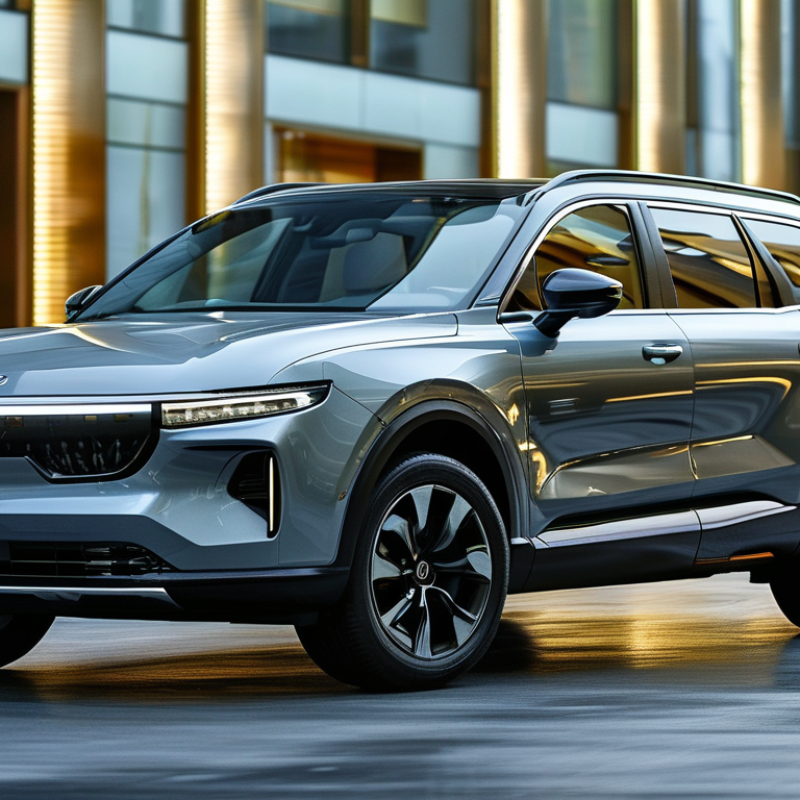
Electric SUVs are becoming a popular choice for environmentally conscious drivers. These vehicles produce zero tailpipe emissions, which significantly reduces air pollution. They help combat climate change by cutting greenhouse gases. A single electric SUV can save around 1.4 million grams of CO2 annually. This substantial reduction contributes to cleaner air and a healthier planet.
The battery technology in electric SUVs is also evolving. With advancements in sustainable materials, manufacturers are making strides to minimize environmental impacts. However, battery production still requires careful resource management. For example, lithium mining can harm local ecosystems. It’s crucial to develop responsible sourcing practices to mitigate these effects.
Charging infrastructure has rapidly expanded, making electric SUVs more convenient. Many urban areas now offer charging stations, and home charging is a viable option for many. Yet, there can still be concerns regarding charging availability on long trips. Electric SUVs also typically have less range than gas-powered models, which may require drivers to plan better. It’s essential to weigh these practical considerations when choosing your next vehicle.
: Electric SUVs produce zero tailpipe emissions, reducing air pollution and combating climate change significantly.
A single electric SUV can save around 1.4 million grams of CO2 each year.
Manufacturers are focusing on sustainable materials. However, lithium mining can still harm ecosystems and needs careful management.
Charging infrastructure is improving, but availability can still be a concern on long journeys. Planning is essential.
Many electric SUVs come with advanced driver assistance systems and smart connectivity options for navigation.
Over 70% of consumers find connectivity important, but some feel overwhelmed by the numerous digital features.
Predictions suggest costs for lithium-ion batteries will decline, but production scaling remains challenging.
Electric SUVs typically have less range, requiring better planning for long trips compared to gas models.
It’s important to weigh environmental benefits against practical aspects like range and charging infrastructure.
Yes, their lower emissions contribute to cleaner air. However, the impact of battery production is a point for reflection.
Electric SUVs are emerging as a preferred choice for modern vehicle buyers, primarily due to their numerous benefits for the environment and sustainability. By producing zero tailpipe emissions, these vehicles contribute significantly to reducing air pollution and conserving natural resources. Additionally, owners of electric SUVs can enjoy long-term cost savings through lower fuel and maintenance expenses, making them a financially savvy choice over time.
Beyond savings, electric SUVs boast impressive performance advantages, offering instant torque and smooth handling that enhances the driving experience. They are often equipped with innovative technology features designed to provide connectivity, convenience, and safety, setting them apart from traditional vehicles. Furthermore, government incentives and support programs encourage the transition to electric SUVs, making them an even more attractive option for potential buyers looking to make a positive impact while enjoying cutting-edge automotive advancements.
