Choosing the right EV SUV can be overwhelming. With numerous options available, understanding your needs is crucial. According to Jamie Patterson, an automotive expert at GreenDrive, "The ideal EV SUV should match your lifestyle as much as your environmental values." This highlights the importance of finding a balance between functionality and sustainability.
When considering an EV SUV, think about what matters most to you. Are you looking for ample cargo space, advanced technology, or exceptional range? Many models boast impressive features, yet not every option suits every driver. It's easy to be swayed by flashy designs or brand reputation. However, true value lies in picking a vehicle that fits your daily requirements.
The EV SUV market continues to evolve. New models emerge steadily, catering to various tastes and preferences. Yet, not all EV SUVs are created equal. Research plays a vital role in making an informed decision. Take the time to understand the differences between battery capacities, charging infrastructure, and overall efficiency. A thoughtful approach can lead you to the best choice for your needs.
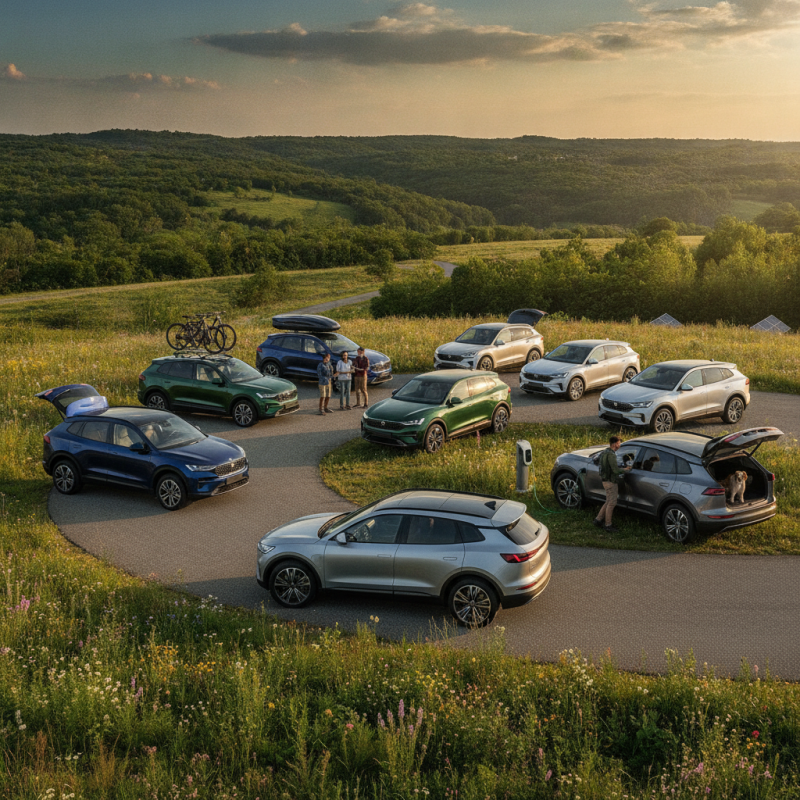
Understanding EV SUV Categories: Compact, Mid-Size, and Full-Size
When choosing the best EV SUV, it’s essential to understand the different categories: compact, mid-size, and full-size. Each category serves different needs. Compact EV SUVs appeal to city dwellers. They offer agility and parking ease. These models often have a smaller battery range but still provide adequate power for daily commutes.
Mid-size EV SUVs strike a balance. They usually feature more cargo space and improved range. Families often find this category ideal. These vehicles tend to offer more interior comfort and tech features. However, mid-size SUVs may not be necessary for everyone. Think about your lifestyle. If you don’t need extra room, a compact model might be a better fit.
Full-size EV SUVs are the roomiest option. They accommodate larger families or those needing extra space for gear. Range can be impressive, but they may not always be practical in urban settings. The larger battery means longer charging times, which can be inconvenient. Assess your routine. Do you need the extra space, or would a more agile vehicle suffice?
Evaluating Battery Range: Industry Standards and Consumer Preferences
When considering an electric SUV, battery range is crucial. According to the U.S. Department of Energy, the average range for most electric SUVs has increased to around 250 miles per charge. However, consumer preferences often demand more. Many drivers desire at least 300 miles of range to reduce anxiety during long trips.
Take note: not all manufacturers report their range using the same testing methods. The EPA estimates are generally more reliable than manufacturer claims. Understanding this can save you from potential disappointments regarding actual performance. Look for models with comprehensive real-world range tests done by third parties.
Battery technology continues to improve. By 2025, it's projected that an average electric SUV will achieve 400 miles per charge. But right now, many require daily charging for optimal use. Assess your commute and typical travel distance. If you often drive just a few miles, you could choose a model with less range. However, for road trips, prioritizing those longer ranges is essential. Explore the living conditions and charging network in your area, as they significantly impact your electric SUV experience.
Charging Infrastructure: Assessing Availability and Compatibility
When considering the best EV SUV, charging infrastructure is crucial. It's not just about the vehicle; the availability of charging stations can impact your experience. Research local charging networks before making a final decision. Check maps, apps, and websites to assess where you'll find chargers. The convenience of charging at home can also affect your choice. If you have a garage, installing a home charger might be an option worth exploring.
Compatibility should be on your radar too. Different EV models support various charging standards. Make sure that the SUV you choose is compatible with the most widespread charging stations available in your area. If you're often traveling long distances, consider the availability of fast chargers along your routes. This helps avoid range anxiety and unexpected delays.
While the initial excitement of EV ownership is high, the reality can differ. Some areas still lack sufficient charging options. If you live in a region with fewer facilities, this might need careful reflection. Understanding the charging landscape is essential for a smooth driving experience. This knowledge will ultimately guide you in making a balanced choice that suits your lifestyle.
Cost of Ownership: Initial Investment vs. Long-Term Savings
When considering the cost of ownership for an electric SUV, the initial investment plays a crucial role. EVs often have a higher upfront cost compared to traditional gas vehicles. According to a recent industry report, the average price of an electric SUV in 2023 is around $55,000. This figure varies based on model and features. However, buyers must look beyond just the sticker price.
Long-term savings present a compelling argument for electric SUV ownership. A study conducted by the Department of Energy indicates that EV owners can save around $4,000 over 10 years on fuel costs alone. With rising fuel prices, these savings are expected to increase. Maintenance costs are another area where electric SUVs shine. They typically require fewer repairs due to fewer moving parts. This translates to an additional saving of about $1,000 over the same period.
Still, potential buyers should acknowledge some challenges. The initial cost can be a barrier, and charging infrastructure is still developing in many regions. Additionally, not everyone will qualify for available tax credits, which can affect the net price. It’s crucial to weigh these factors and assess your driving patterns against potential savings. Ultimately, the decision requires thorough analysis of both current financial investment and long-term benefits.
Safety Ratings and Features: Importance of Ratings in Choosing an EV SUV
When considering an electric vehicle (EV) SUV,
safety ratings are crucial. According to the
Insurance Institute for Highway Safety (IIHS), vehicles with
high safety ratings often have better driver and passenger protection. EV SUVs can vary widely in
these ratings. For instance, the IIHS reported in 2023 that only 38%
of EVs receive the top safety designation. This emphasizes the necessity for thorough research.
Safety features are equally important. Many EV SUVs are equipped with advanced
driver-assistance systems (ADAS). A report from the National Highway
Traffic Safety Administration (NHTSA) highlighted that over 60% of
fatal crashes could be prevented with adequate ADAS. Features such as lane-keeping assistance
and automatic emergency braking can significantly enhance safety. However, disparities exist.
Some models may boast impressive lists of features but lack real-world effectiveness, indicating that
not all safety tech is created equal.
Examining crash test results matters too. Not all ratings reflect real-world scenarios. A vehicle might excel
in controlled tests yet falter in everyday conditions. Furthermore, the evolving nature of EV technology
introduces new challenges. Battery weight and placement can impact crash dynamics, making it imperative
for buyers to stay updated on how these factors influence safety ratings.
Prioritize gathering data and evaluations from trusted sources before
making an informed decision.
FAQS
: The main categories are compact, mid-size, and full-size. Each serves different needs.
City dwellers benefit most. They offer agility and ease of parking.
Mid-size SUVs offer more cargo space and improved range. They are great for families.
They provide ample space but can be impractical in urban settings. Consider your needs carefully.
Electric SUVs often have a higher upfront cost. However, long-term savings can be significant.
Owners can save approximately $4,000 on fuel over ten years. Maintenance also costs less.
Initial costs can be high, and charging infrastructure may be limited. It’s important to research these aspects.
Some people may not need extra room, making a compact model more suitable. Reflect on your lifestyle.
Not everyone qualifies for tax credits, affecting the overall cost. Check eligibility carefully.
Understanding your driving habits helps assess potential savings and whether an EV SUV fits your needs.
Conclusion
Choosing the best EV SUV involves a thorough understanding of various factors that cater to individual needs. First, it's crucial to recognize the different categories of EV SUVs: compact, mid-size, and full-size. Each category serves distinct preferences, which should align with your lifestyle and space requirements. Evaluating battery range is another vital consideration, as it impacts both performance and convenience, reflecting industry standards and consumer expectations.
Furthermore, assessing the charging infrastructure is essential for ensuring availability and compatibility with your driving habits. It's important to analyze the cost of ownership, weighing the initial investment against potential long-term savings in fuel and maintenance. Lastly, safety ratings and features should not be overlooked, as they play a significant role in decision-making. By carefully evaluating these aspects, you can confidently select an EV SUV that best meets your needs and enhances your driving experience.
 Tianli
