
How to Choose the Best EV Cars in 2026?

Time:2026-10-26 Author:Charlotte
0%

Choosing the best Ev Cars in 2026 will require more than comparing advertised range. Buyers must examine charging speed, battery warranty, safety performance, comfort, and long-term ownership costs. A vehicle promising 350 miles may deliver less during freezing weather, heavy rain, or highway driving. Range is not everything.

This guide will compare Ev Cars using manufacturer specifications, independent safety evaluations, verified road tests, and real owner experiences. It will also consider charging access at home, apartment parking, public charging reliability, and electricity prices. A small hatchback may suit a city commuter better than a larger SUV, even when both use similar battery technology. Interior visibility, seat comfort, software stability, and repair support can shape daily satisfaction more than impressive acceleration.

The discussion will separate laboratory estimates from practical driving results. EPA, WLTP, or regional figures should not be treated as identical measurements. Buyers should confirm local warranty terms, service coverage, tax rules, and charging compatibility before making a decision. These details can change by country and model year.

There is no perfect choice. Some recommendations may favor efficiency, while others prioritize family space or towing ability. That tension deserves honest attention. A careful buyer should test-drive several models, inspect charging routes, and calculate monthly costs using personal driving habits. New technology also brings uncertainty, especially with software updates and resale values. This guide aims to offer a balanced starting point, not a final verdict.
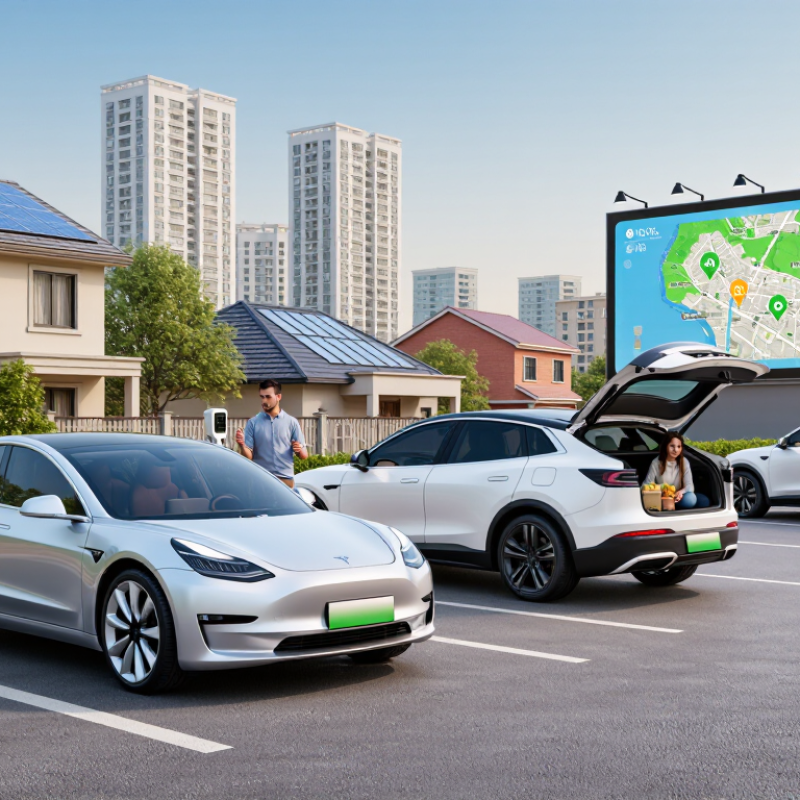
How to Choose the Best EV Cars in 2026?

Define Your EV Needs, Driving Habits, and Ownership Priorities

How to Choose the Best EV Cars in 2026?

Choosing an EV should begin with your daily routine, not a glossy feature list. Measure your usual commute for one week. A 42-mile weekday trip needs a different battery strategy than frequent 250-mile journeys. Note traffic, hills, weather, passengers, and cargo. These details affect real energy use. They matter more than the largest advertised range.

Charging access is equally important. Can you install a home charger near your parking space? If not, map reliable public chargers along your regular routes. Check charging speed, connector compatibility, installation costs, and local electricity rates. A smaller battery may suit a driver with overnight charging. A larger battery may reduce stress for apartment residents. It is not always the cheaper long-term choice.

Ownership priorities deserve honest attention. Some drivers value quiet comfort, while others need a low step-in height or flexible cargo space. Compare insurance quotes, scheduled service, tire costs, warranty coverage, and battery protection terms. Verify safety results through independent testing and official documents. Read owner reports carefully, but treat them as personal evidence, not universal truth. Cold weather can reduce range, and software features may change after purchase. That part is easy to underestimate. I would also leave a weekly charging buffer instead of planning around the last ten miles. My own habits might change after a few months, so a short test drive should include parking, child-seat access, and highway driving.

Compare Battery Range, Charging Speed, and Energy Efficiency

How to Choose the Best EV Cars in 2026?

Compare Battery Range, Charging Speed, and Energy Efficiency

Choosing an electric vehicle begins with real driving habits, not a headline range figure. A 450-kilometer rating may shrink during winter, highway trips, or heavy rain. Range is conditional. Check independent test results and compare the testing standard used. A reliable review should explain temperature, speed, passengers, and climate-control settings.

Charging speed deserves equal attention. A vehicle that adds 250 kilometers in 20 minutes can suit frequent travelers. However, fast charging depends on battery temperature, charger capacity, and the station’s condition. At home, a slower overnight charger may be more useful than expensive high-speed access. Test the charging curve, not only the maximum advertised rate. That number can last briefly.

Energy efficiency shows how much electricity the vehicle uses per 100 kilometers. Lower consumption usually means fewer charging stops and reduced running costs. Look for figures from regulated testing agencies, then compare them with owner reports. In my experience, a large cabin and winter heating can change expectations quickly. I still find efficiency estimates imperfect. Traffic, tire pressure, and driving style matter more than many buyers expect. A practical test drive should include hills, city streets, and a short highway section. Keep a simple charging log for one week. Real data often challenges polished specifications.

Evaluate Performance, Safety Systems, Comfort, and Practicality

How to Choose the Best EV Cars in 2026?

Evaluate Performance, Safety Systems, Comfort, and Practicality

Performance should fit your daily roads, not just impress during a short test drive. Check acceleration, steering response, braking confidence, and stability on wet surfaces. A smooth power delivery often feels more useful than dramatic speed. I once overvalued fast acceleration and underestimated pedal sensitivity in traffic. That was a costly lesson.

Safety systems deserve careful, independent checking. Look for effective automatic emergency braking, blind-spot alerts, lane support, and driver attention monitoring. Read recent crash-test results from trusted safety organizations. Then test these features in daylight and low-visibility conditions. They should assist calmly, not surprise you with harsh corrections. No system replaces an attentive driver.

Comfort appears in small details. Sit in every passenger position. Check seat support, headroom, screen readability, and cabin noise at highway speeds. Practicality also needs numbers. Measure the cargo area with real luggage, not just published capacity. Estimate winter range, charging time, electricity access, and family routines. A vehicle can perform brilliantly yet become inconvenient without reliable home or public charging. My own weakness is trusting specifications too quickly. Real temperatures, traffic, and passengers change the experience. Test the car under those conditions.

Calculate Purchase Price, Running Costs, Incentives, and Resale Value

How to Choose the Best EV Cars in 2026?

The purchase price is only the starting point. Add registration fees, home-charger installation, insurance, and financing interest. Then subtract verified government incentives, local rebates, and available tax credits. Rules can change during the year, so check official sources before signing anything. A simple spreadsheet helps. Record the vehicle price, incentive eligibility, charger cost, and expected delivery fees. Do not assume every buyer qualifies.

Running costs need realistic driving data. Estimate annual kilometres, electricity prices, charging losses, and public-charging fees. Home charging is often cheaper, but apartment residents may depend on faster public stations. Include tires, servicing, software-related subscriptions, and battery warranty limits. Compare the total three-year cost with a similar petrol vehicle. My first estimate was too optimistic because I ignored seasonal electricity rates. Small details matter.

Tips: Use your actual monthly mileage, not a dealer’s example. Request written incentive confirmation. Check battery coverage carefully. For resale value, study local used-car listings and depreciation trends, not advertised hopes. A strong service history, healthy battery report, and practical driving range can support resale. Still, future battery prices and policy changes remain uncertain. Leave a financial buffer.ETwitter

How to Choose the Best EV Cars in 2026?

Five-year ownership comparison by vehicle size, including purchase price, energy, maintenance, incentives, and resale value.

Planning assumptions: 75,000 miles over five years, residential electricity at $0.16 per kWh, average EV efficiency of 0.28–0.34 kWh per mile, routine maintenance of $500–$750, an illustrative $2,000 state or utility incentive, and estimated resale values of 38%–45% of the original purchase price. Actual costs vary by location, driving style, financing, eligibility, and market conditions. Lower net ownership cost is generally preferable.

Verify Technology, Warranty Coverage, Reliability, and Service Support

How to Choose the Best EV Cars in 2026?

Technology should be verified, not admired from a showroom screen. The IEA’s Global EV Outlook 2025 reports that electric car sales exceeded 17 million worldwide in 2024. That growth makes comparison harder, not easier. Check usable battery capacity, real-world winter range, charging speed, and thermal-management design. A dashboard range of 500 kilometers may shrink sharply at 5°C. Ask whether software updates improve charging or only change display features. I would not trust a single test drive.

Warranty language deserves careful reading. Confirm battery coverage, capacity-loss limits, corrosion protection, roadside assistance, and transfer rules. Also check exclusions for charging damage or unauthorized repairs. The U.S. Department of Energy identifies fewer moving parts as a maintenance advantage, but tires, suspension, cooling systems, and electronics still require attention. Electric cars are not maintenance-free.

Reliability data should be separated from marketing claims. J.D. Power’s 2025 U.S. Initial Quality Study reported higher problem rates for battery-electric vehicles than for conventional powertrains, showing that newer technology can bring early defects. That finding is uncomfortable. Use it. Ask local service centers about technician training, diagnostic equipment, parts availability, and average repair times. A vehicle with excellent hardware becomes frustrating when one sensor waits six weeks. Industry reports help, but your nearest workshop may reveal the more practical truth.

FAQS

Why should I avoid choosing an EV by its advertised range alone?

Advertised range depends on temperature, speed, passengers, rain, and climate-control use. A 450-kilometer rating may shrink during winter or highway driving. Check independent tests using the same testing standard.

What details should a reliable range test include?

Look for test conditions, including outdoor temperature, average speed, passenger load, hills, and heating settings. A useful review explains these details clearly. Vague testing is less helpful.

How important is charging speed for daily driving?

Charging speed matters most for frequent highway travel and long trips. Some vehicles may add 250 kilometers in 20 minutes. However, battery temperature and charger capacity affect actual results.

Is maximum charging power enough for comparing vehicles?

No. Examine the entire charging curve, not only the highest advertised rate. Peak power may last briefly. A slower overnight home charger could suit regular commuting better.

How can I compare EV energy efficiency accurately?

Compare electricity use per 100 kilometers from regulated tests and owner reports. Lower consumption usually means fewer charging stops and lower running costs. Tire pressure matters.

What should I include when calculating the total purchase cost?

Include registration, insurance, financing interest, home-charger installation, and delivery fees. Subtract only verified incentives or rebates. Do not assume eligibility.

How can I estimate realistic three-year running costs?

Use your actual monthly distance, electricity prices, charging losses, and public-charging fees. Add tires, servicing, and possible software subscriptions. Seasonal electricity rates may change the result.

What can support an EV’s future resale value?

A clear service history, healthy battery report, and practical driving range may support resale. Check local used-car listings and depreciation trends. Future battery prices remain uncertain. Leave a financial buffer.

What practical test drive gives the most useful information?

Drive through city streets, hills, and a short highway section. Test heating or cooling when possible. Keep a one-week charging log afterward. Real data can challenge polished specifications.

Conclusion

Choosing the best Ev Cars in 2026 starts with understanding your daily driving needs, typical travel distance, passenger requirements, and ownership priorities. Consider whether you mainly drive in cities, commute long distances, or need extra cargo space. Compare battery range, charging speed, energy efficiency, and charging access to find a vehicle that fits your routine without unnecessary cost or inconvenience. Performance, braking, safety systems, cabin comfort, storage, and ease of use should also be evaluated through practical testing.

A complete decision requires looking beyond the purchase price. Estimate electricity costs, maintenance, insurance, available incentives, financing expenses, and potential resale value over the expected ownership period. Buyers should also verify software features, driver-assistance functions, warranty coverage for the battery and major components, reliability records, and the quality of local service support. By balancing everyday usability, long-term expenses, technology, and support, shoppers can select an electric vehicle that offers dependable transportation and strong overall value in 2026.

Charlotte

Charlotte

Charlotte is a seasoned marketing professional with a deep understanding of the company's portfolio and a passion for elevating its presence in the market. With a keen eye for detail and a commitment to excellence, she ensures that our professional blog is regularly updated with insightful articles......