
Tianli
Choosing the right vehicle can be overwhelming, particularly with hybrid vehicles gaining popularity. These eco-friendly options offer a balance of efficiency and power. However, the vast array of choices may lead to uncertainty.
When searching for the best hybrid vehicles, consider your personal needs. Do you prioritize fuel economy, space, or advanced technology? Some models excel in city driving, while others shine on highways. Each vehicle has unique features that cater to different lifestyles.
Experience and research are crucial in making an informed decision. Consulting reviews and expert opinions helps clarify your options. Remember, not all hybrid vehicles are created equal. Reflect on your priorities as you navigate through choices that may seem ideal but might not meet your daily requirements.
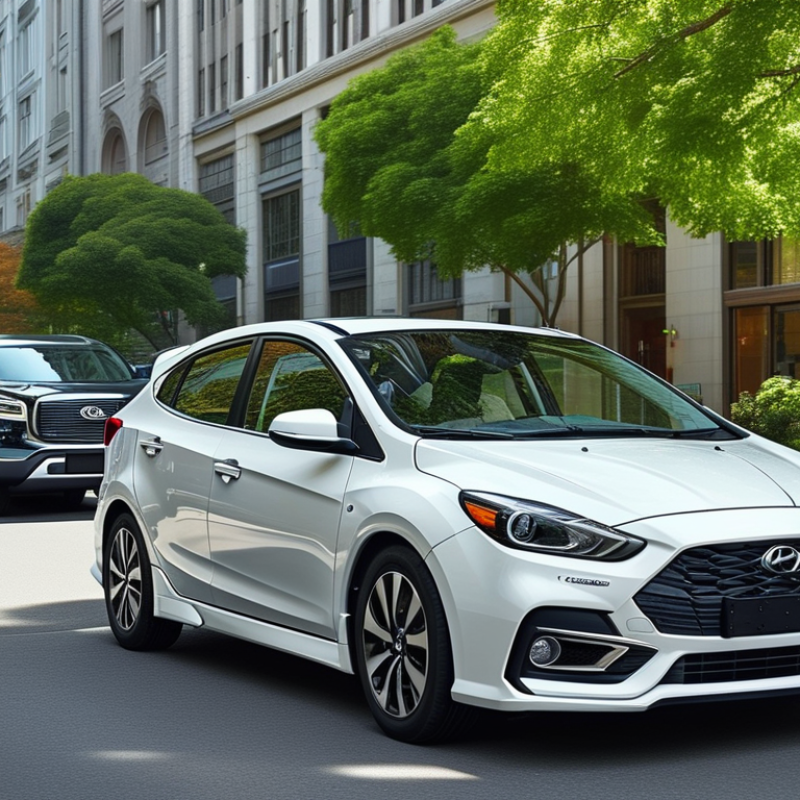
Understanding hybrid vehicles is essential for making an informed choice. There are several types: full hybrids, plug-in hybrids, and mild hybrids. A report by the International Energy Agency indicates that hybrid vehicles can reduce emissions by up to 30% compared to traditional gasoline cars. This shift not only benefits the environment but also provides cost savings over time.
The benefits of hybrid vehicles extend beyond reduced emissions. They often feature regenerative braking, which captures energy otherwise lost during braking. According to a study by the U.S. Department of Energy, hybrids can achieve 40-60 miles per gallon, significantly improving fuel efficiency. Drivers also appreciate the lower operating costs associated with hybrids and the potential for tax incentives in many regions.
**Tip:** Consider your driving habits. If you often drive short distances, a plug-in hybrid might be advantageous. Reflect on the initial purchase price versus long-term savings. High fuel prices can amplify savings, but the upfront cost of hybrids can be higher. Evaluate if the technology aligns with your lifestyle and budget.
Choosing a hybrid vehicle isn't just about fuel efficiency. It begins with understanding your unique driving habits and environment. Consider how far you commute daily. If you drive short distances frequently, a hybrid could excel in urban settings. Stop-and-go traffic can benefit greatly from regenerative braking. This is where hybrids shine, capturing energy you might otherwise waste.
Think about your lifestyle too. Do you take long road trips or mainly travel in the city? This can guide your choice. Some hybrids perform better at city speeds, while others are designed for highways. Evaluate cargo space if you need to carry sports gear or groceries. A compact hybrid might not fit a family’s needs. It's worth asking yourself how practical these features are for your life.
Reflect on the technology aspect as well. Many hybrids come with advanced features. This can enhance your driving experience and safety. Yet, these features might overwhelm some drivers. It’s essential to find a balance between technology and usability. Assess how comfortable you are with new tech. A hybrid should fit seamlessly into your life, rather than complicating it.
When choosing a hybrid vehicle, evaluating fuel efficiency and environmental impact is crucial. Fuel economy ratings give you an idea of how far you can travel on a gallon of fuel. Generally, hybrid cars may offer much better mileage than traditional gasoline vehicles. These ratings, however, can vary based on driving conditions and personal habits. It's essential to consider your daily commute and how often you engage in stop-and-go traffic.
In addition to fuel efficiency, consider the environmental footprint of your vehicle. Many hybrids produce fewer emissions than conventional cars. This can lead to improved air quality, especially in urban areas. However, not all hybrids are created equally regarding their eco-friendly impact. Some models have larger batteries, which can have their own environmental implications when produced or disposed of. Understanding the lifecycle of a hybrid vehicle helps deepen your knowledge of its true impact.
Analyzing government ratings for emissions can also provide insight. Look into the vehicle's recycling potential and the types of materials used in its construction. While hybrid vehicles contribute positively to reducing emissions, ongoing research indicates that some may still fall short of expected environmental benefits. There’s always room for improvement in technology and green practices. This complexity highlights the importance of informed buying decisions.
When evaluating hybrid vehicles, understanding costs is vital. The purchase price may be higher than traditional vehicles. However, long-term savings can significantly impact overall expenses. According to the U.S. Department of Energy, hybrid owners can save about $1,200 over five years on fuel compared to gasoline-only vehicles.
Insurance costs can also differ. A study from the Insurance Institute for Highway Safety found that hybrids often have higher premiums. This increase varies by state and model, adding complexity to the equation. Maintenance of hybrids may require specialized services, leading to potential higher costs. Yet, many hybrids benefit from fewer oil changes due to better fuel efficiency.
Evaluating your driving habits is essential. If you frequently drive long distances, hybrids may only provide modest savings. Urban drivers, however, could see larger benefits with stop-and-go traffic. Each individual's situation is unique, and a one-size-fits-all approach isn't effective. Weighing upfront costs against potential savings can help clarify your choice.
When researching hybrid vehicles, focusing on reviews and ratings is essential. Various sources offer insights into brand performance and reliability. Pay attention to user experiences shared on automotive forums and review sites. These accounts can highlight common issues or standout features that might influence your choice.
Reading expert reviews from reputable automotive publications also brings value. Specialists test vehicles extensively, providing performance data and fuel efficiency ratings. Compare these evaluations across different models to see which ones align with your needs. Yet, it’s crucial not to rely solely on ratings. Sometimes, personal experiences may vary from public reviews. What works well for one driver may not suit another.
User feedback can include both positives and negatives. Some might praise a vehicle's comfort while others may criticize its technology. Make sure to consider a mix of opinions. This balance helps create a more comprehensive picture of what to expect. Reflecting on your driving habits will lead to better decisions. Test drive potential hybrids and evaluate how they feel. This hands-on approach can reveal aspects ratings may overlook.
: There are three main types: full hybrids, plug-in hybrids, and mild hybrids.
Hybrid vehicles can reduce emissions by up to 30% compared to traditional gasoline cars.
Hybrids can achieve 40-60 miles per gallon, significantly improving fuel efficiency.
Regenerative braking captures energy lost during braking, enhancing energy efficiency.
Yes, if you often drive short distances, a plug-in hybrid might be a better fit.
Fuel economy ratings help determine how far you can travel on a gallon of fuel.
Many hybrids produce fewer emissions, potentially improving air quality in urban areas.
No, not all hybrids are created equally; some models may have larger batteries with environmental concerns.
User reviews highlight common issues and features that might affect your purchase decision.
Yes, test driving helps evaluate how a vehicle feels and may reveal issues not covered in ratings.
When considering how to choose the best hybrid vehicles for your needs, it’s essential to understand the various types and benefits of hybrid technology. Hybrid vehicles combine traditional gasoline engines with electric power, providing improved fuel efficiency and reduced environmental impact. Assessing your driving needs is crucial, as this will help you determine the most suitable type of hybrid vehicle.
In addition to evaluating performance and emissions, it’s important to compare costs, including the initial purchase price and potential long-term savings on fuel and maintenance. Researching different brands and models through reviews and ratings can provide valuable insights into reliability and customer satisfaction. By carefully considering these factors, you can make an informed decision and select the best hybrid vehicle that aligns with your lifestyle and priorities.
