 Tianli
Choosing an Ev Suv for global use requires more than comparing battery size and glossy range figures. The IEA’s Global EV Outlook 2024 reported nearly 14 million electric cars sold worldwide in 2023. Electric models reached about 18% of global car sales, while SUVs approached half of all car sales. That combination makes the Ev Suv a major family and fleet decision, not a niche purchase.
IEA Executive Director Fatih Birol observed, “Electric cars are taking off around the world, and this is transforming the global car industry.” His statement supports the trend, but it does not answer practical questions for Nairobi, Oslo, Bangkok, or Toronto. Buyers should compare usable battery capacity, fast-charging curves, warranty terms, and local technician access. A 500-kilometre laboratory claim may become 350 kilometres in winter, with luggage, hills, or highway speeds. That gap is easy to overlook.
BloombergNEF’s Electric Vehicle Outlook 2024 highlights falling battery costs, yet prices and charging access remain uneven across markets. A credible choice therefore starts with route mapping, not showroom excitement. Check connector standards, home electricity, public charger reliability, ground clearance, rear-seat space, and spare-parts availability. Also inspect independent safety results and regional efficiency tests; ratings can differ between WLTP, EPA, and local cycles. I would not pretend there is one universal winner. Even strong comparisons miss resale values, software support, or a remote dealer’s response time. This guide weighs evidence against lived conditions, helping global buyers choose an Ev Suv that works beyond the brochure.
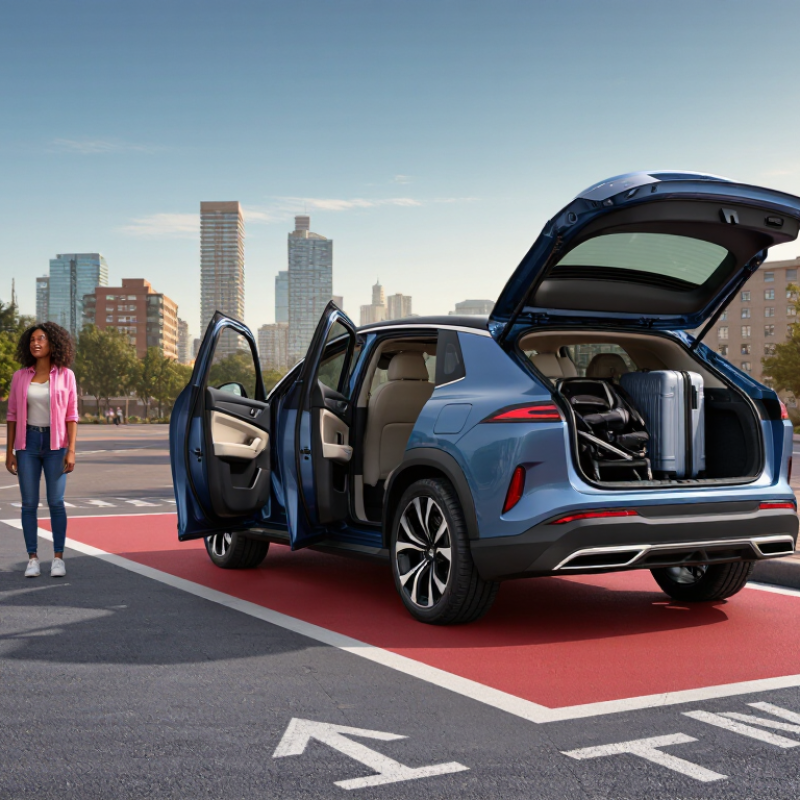
Choosing an EV SUV starts with an honest picture of your daily driving. Track one typical week, including school runs, commuting, shopping, and weekend trips. Note the distance, road surface, passenger count, and parking conditions. A compact model may suit narrow city streets, while a larger cabin helps families carry luggage, sports equipment, or mobility aids.
Charging access should shape your decision. Check whether you can install a home charger and identify reliable public chargers along your regular routes. Cold weather, steep roads, heavy loads, and high-speed driving can reduce practical range. Leave a safety margin instead of planning every trip around the official figure. I once underestimated winter energy use by nearly 20 percent. That mistake changed how I compare vehicles.
Your use case also affects comfort and running costs. Drivers covering short urban distances may value efficient heating, easy parking, and quick cabin access. Frequent highway users should examine seat support, driver-assistance performance, noise levels, and charging time between stops. Families should test rear-seat space with actual child seats, not just read measurements. Bring your usual bags. Measure the garage entrance. A test drive can reveal poor visibility or awkward controls that specifications miss. Keep a simple monthly estimate for electricity, charging fees, insurance, tires, and maintenance. Perfect predictions are impossible, but realistic assumptions make the choice more dependable.
| EV SUV Use Case | Typical Driving Pattern | Recommended Usable Battery Capacity | Recommended Real-World Range | Recommended DC Fast-Charging Capability | Practical Vehicle Requirements | Important Global-Buyer Considerations |
|---|---|---|---|---|---|---|
| Urban Commuting | Daily trips of approximately 20–60 km, frequent stop-and-go traffic, and regular overnight charging. | 40–60 kWh | 250–350 km | 50–100 kW | Compact exterior dimensions, efficient climate control, a turning circle below approximately 11.5 m, and strong low-speed visibility. | Prioritize parking convenience, home-charging access, and low energy consumption over maximum acceleration or towing capacity. |
| Family and School Transport | Short daily journeys with several passengers, child seats, shopping, and occasional weekend travel. | 55–80 kWh | 300–450 km | 100–150 kW | At least 450 L of cargo space behind the rear seats, wide rear doors, rear air vents, multiple storage areas, and advanced driver-assistance features. | Check child-seat anchor compatibility, rear-seat width, warranty coverage, and whether the vehicle supports local safety regulations. |
| Long-Distance Highway Travel | Regular intercity journeys, highway speeds, and daily distances that may exceed 300 km. | 75–100 kWh | 400–550 km | 150–250 kW | Low aerodynamic drag, stable high-speed handling, efficient heat-pump climate control, and a reliable route-planning system with charging stops. | Range varies with speed, temperature, tire choice, payload, and road elevation. Compare independent test results rather than relying only on laboratory figures. |
| Cold-Climate Driving | Winter use with low temperatures, snow, cabin heating, and possible reduced charging performance. | 70–100 kWh | 350–500 km in mild conditions | 150 kW or higher, with battery preconditioning | Battery preconditioning, heat-pump heating, heated seats and steering wheel, winter-rated tires, and strong traction management. | Cold weather can substantially reduce range and increase charging time. Confirm local service availability and the vehicle's low-temperature charging strategy. |
| Hot-Climate and Desert Use | High ambient temperatures, intensive air-conditioning use, long highway distances, and dusty environments. | 60–90 kWh | 350–500 km | 100–200 kW with active battery cooling | Liquid-cooled battery, strong thermal management, effective cabin filtration, UV-resistant glazing, and dependable air-conditioning performance. | Verify charging limits in extreme heat, battery warranty conditions, ground clearance, and the availability of dust-resistant replacement filters. |
| Rural and Mixed-Surface Roads | Uneven roads, gravel, light mud, limited public charging, and longer distances between towns. | 70–100 kWh | 400–550 km | 100–180 kW | Ground clearance of approximately 180–220 mm, durable underbody protection, predictable traction control, and a full-size spare or practical tire-repair solution. | All-wheel drive improves traction but usually adds weight and energy consumption. Confirm towing, recovery, and underbody protection specifications. |
| Towing and Recreational Use | Caravan, trailer, boat, or equipment transport, usually with fewer but longer trips. | 80–110 kWh | 250–400 km while towing | 150 kW or higher | Factory-rated towing capacity of at least 1,500 kg, high continuous torque, trailer stability control, a suitable tow-bar system, and a high permissible payload. | Towing can reduce range substantially, often by 30–50% or more depending on trailer weight, speed, wind, and terrain. Confirm local licensing and trailer regulations. |
| Multi-Generational Family Travel | Frequent use by adults, children, and older passengers, with luggage for several days. | 75–100 kWh | 400–550 km | 150–250 kW | Easy step-in height, wide door openings, flexible second-row seating, optional third-row seating, and at least 550 L of cargo capacity when configured as a five-seater. | A third row can reduce luggage space. Measure usable cargo length and height with all passenger seats occupied before purchase. |
| Apartment or Street-Parking Ownership | No dedicated home charger; charging mainly takes place at workplaces, public stations, or shopping centers. | 60–90 kWh | 350–500 km | 150–250 kW | Efficient fast charging, accurate charging-app support, strong public-network compatibility, and an onboard AC charger rated at 11 kW where available. | Estimate weekly charging costs and station availability in the intended country. Connector standards, payment systems, and electricity tariffs differ by market. |
| Business and Fleet Operation | High annual mileage, repeated routes, multiple drivers, and a need to minimize downtime. | 60–100 kWh | 350–550 km | 150–250 kW | Low energy consumption, predictable charging times, durable interior materials, remote fleet monitoring, and clear battery and vehicle warranties. | Compare total cost of ownership, service intervals, residual value, tax treatment, insurance, charging contracts, and replacement-vehicle support. |
Practical range values are indicative real-world targets rather than official laboratory ratings. Actual performance depends on speed, temperature, terrain, payload, tires, heating or air-conditioning use, battery age, and charging conditions.
Track one normal week of driving. Record distances, passengers, road surfaces, parking conditions, and luggage. Real habits matter more than attractive specifications.
Leave a safety margin below the official range. Cold weather, steep roads, heavy loads, and high speeds can reduce practical distance. I once underestimated winter energy use by nearly 20 percent.
Bring actual child seats, sports equipment, and shopping bags. Check rear-seat access and luggage space. Measurements alone can mislead.
Check local plugs, connectors, charging standards, and public charger coverage. Confirm compatibility with a qualified local inspection center. A familiar route should have dependable charging options.
Examine ground clearance for snow, gravel, or flooded streets. Cold temperatures may reduce range noticeably. Do not plan every journey around the official figure.
Include charger installation, public charging, insurance, taxes, tires, maintenance, and battery warranty coverage. Keep a monthly estimate. It will not be perfect.
Check repair locations, technician training, parts availability, and appointment times. Ask who handles battery diagnostics and software updates. Written warranty terms matter.
Drive familiar roads and test visibility, seat support, cabin noise, controls, and parking. Measure your garage entrance too. I should have done that earlier.
Choosing the right Ev Suv for global buyers starts with understanding how and where it will be used. Consider daily commuting, family travel, long-distance driving, road conditions, passenger capacity, and cargo needs. Compare driving range, charging speed, battery durability, energy efficiency, and access to suitable charging infrastructure. A practical evaluation should also include seating comfort, interior flexibility, visibility, driver assistance features, crash protection, and ease of everyday use.
Buyers should look beyond the purchase price by reviewing energy costs, insurance, maintenance, taxes, and expected resale value. Regional compatibility is equally important, including charging standards, climate performance, software availability, service coverage, and replacement-part access. Before making a decision, verify local regulations, import requirements, safety certifications, available incentives, and whether the vehicle is officially offered in the intended market. A careful comparison of these factors will help buyers select an Ev Suv that matches their lifestyle, budget, and long-term ownership expectations.
