
Tianli
Choosing Fully Electric Cars for global use requires more than comparing range figures. Buyers must examine climate, charging access, road conditions, ownership costs, and local support. A vehicle that performs well in Norway may struggle in a hot region with limited fast-charging stations. Battery performance can also change during winter, heavy rain, or long highway journeys.
This guide helps international buyers assess electric vehicles with practical evidence and careful questions. We will consider battery capacity, real-world range, charging speed, efficiency, safety features, warranty coverage, and software reliability. A home charger may be convenient, but apartment residents often depend on public networks. Charging standards and payment systems can differ sharply between countries. After-sales service matters just as much as the vehicle itself. A low purchase price may hide expensive tires, insurance, imported parts, or battery-related service delays.
There is no perfect choice.
Even manufacturer range figures need context. Testing conditions may not reflect crowded streets, steep roads, or constant air-conditioning use. Buyers should compare independent road tests with official specifications. They should also confirm local certification and warranty terms before signing a contract. This article combines technical knowledge, ownership considerations, and regional purchasing concerns. It does not promise a universal winner. Instead, it offers a realistic framework for choosing a dependable electric car that fits daily travel, family needs, and long-term confidence. Some recommendations may need revision as battery technology, charging networks, and local policies continue changing.
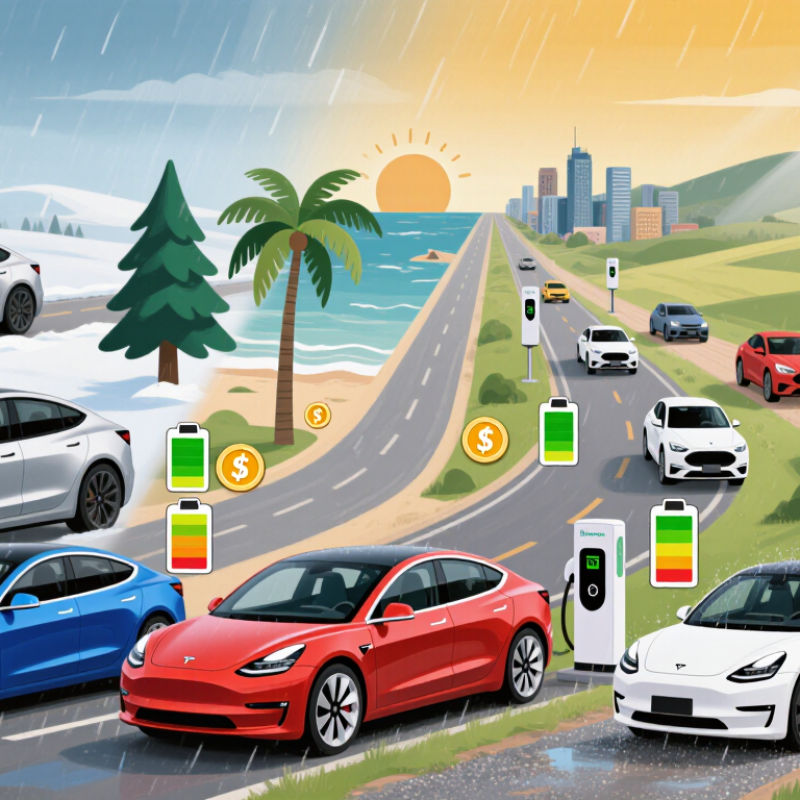
Start with your real driving routine, not an impressive test-drive figure. Measure your weekday distance, weekend trips, passengers, and usual cargo. A small battery may suit a city commute. It can feel limiting on long rural journeys.
Think about charging before choosing the vehicle. Do you have a private parking space, a home electrical connection, or only public chargers? Check local charging availability, payment systems, connector standards, and average charging speeds. In some regions, one fast charger may serve several towns. That changes the ownership experience.
Weather also matters. Cold temperatures can reduce driving range and slow charging. Hot climates may increase cooling demand. Steep roads, heavy loads, and frequent highway driving create similar effects. Leave a practical range buffer. Relying on the dashboard estimate alone is risky.
Ownership conditions include electricity prices, insurance, maintenance access, and battery warranty terms. Ask who can service high-voltage systems near your home. Confirm whether replacement parts are locally available. Review roadside assistance and software update requirements in clear language.
I once underestimated how much charging time affects a busy schedule. The car was efficient, but my apartment parking made home charging impossible. That mistake changed the calculation. Convenience matters as much as range.
Do not choose from specifications alone. Compare a normal Tuesday, a rainy trip, and a holiday journey. Your best match may look less exciting on paper. That is worth questioning.
Choosing a fully electric car starts with real-world battery range, not the largest number in a brochure. Testing standards vary between regions, so compare vehicles under the same cycle whenever possible. A car rated for 500 kilometres may travel less on highways, steep roads, or during winter. Cold weather matters. Heating the cabin can also increase energy use.
Charging speed needs careful comparison. Check the charging time from 10% to 80%, not only the maximum kilowatt figure. Peak charging may last briefly, while the battery gradually accepts less power. Home charging, public charging access, and local electricity limits also affect daily convenience. A smaller battery with reliable fast charging might suit frequent drivers better than a larger battery with slower charging. No comparison is perfect.
Tips: Compare energy efficiency in kWh per 100 kilometres. Lower figures usually mean lower energy costs and more useful range. Ask whether the figure comes from laboratory testing or independent road testing. Review battery preconditioning, charging performance in cold conditions, and the length of the charging curve. Carrying heavy luggage can reduce efficiency. Small details count. I would also leave a practical reserve instead of planning every journey around the published maximum range. That choice may cost a little time, but it reduces stress when traffic, weather, or charging queues change the plan.
Compare battery range, charging speed, and energy efficiency across representative electric-car profiles.
Long-range vehicles generally provide more driving distance and faster DC charging, but they may consume more energy because of larger batteries, heavier bodies, or higher performance. The figures are rounded, brand-neutral market benchmarks; actual range varies with driving speed, temperature, road conditions, vehicle load, and testing standard.
Vehicle size should match your real routine, not your imagination. Measure your parking space, garage entrance, and usual cargo before comparing specifications. A compact electric car may suit narrow streets, while a larger model helps families carry luggage, groceries, or child seats. Test the rear seats personally. Numbers can hide awkward legroom.
Features should reduce daily effort. Check charging speed, navigation accuracy, phone compatibility, climate control, and storage space. More screens do not always mean better usability. I once valued a long feature list, then found the controls distracting during a rainy commute. Simple buttons can matter more. Confirm charging compatibility in your country, including household power limits and public connector availability.
Safety deserves evidence, not attractive claims. Review independent crash-test results, driver-assistance limits, battery protection, and emergency braking performance. Test visibility around mirrors and the rear pillars. Ask whether software updates affect essential safety functions. Everyday comfort also depends on winter heating, hot-weather cooling, tire availability, and service access. A vehicle may perform well in a showroom but feel different after weeks of charging delays. Leave room for doubt. Carry out a short drive over rough roads, in traffic, and on a familiar route. Record energy use instead of trusting the dashboard estimate alone.
Choosing a fully electric car for global use starts with regional compatibility, not advertised range. Check the charging connector, local voltage, and public charging standards. A home charger may require electrical upgrades before installation. In colder regions, heating can reduce driving range noticeably. In hot climates, battery cooling and shaded parking become more important. I once underestimated charging access in a rural area. That mistake added several hours to one trip.
Incentives can change the purchase decision, but they require careful verification. Review government websites for purchase rebates, registration discounts, tax reductions, and home-charger support. Eligibility may depend on residency, income, vehicle price, or battery specifications. Policies can also change during the ownership period. Ask the seller for written details, then confirm them independently. Do not treat a showroom estimate as final.
Total ownership cost includes more than the purchase price. Compare electricity rates, insurance, maintenance, tires, financing, charger installation, and battery warranty coverage. Public charging may cost more than overnight home charging. A long warranty sounds reassuring, but its conditions need close reading. My first calculation ignored winter energy use and tire replacement. It looked precise, but it was incomplete. Build a three-year estimate using local prices and realistic mileage. Include a repair reserve. Small assumptions can become expensive.
How to Choose Fully Electric Cars for Global Buyers?
Warranty language deserves careful reading, not quick trust. Check battery coverage, mileage limits, capacity guarantees, and exclusions. Some markets commonly offer eight years or 160,000 kilometers, but conditions vary widely. Ask whether coverage transfers to a second owner. Also confirm how repairs are approved across borders.
Service access can matter more than a low purchase price. The International Energy Agency reported over four million public charging points worldwide by the end of 2023. Yet availability remains uneven between cities and rural regions. Before buying, locate qualified technicians, high-voltage safety equipment, mobile service options, and replacement-part supply. A beautiful dashboard cannot repair a stranded vehicle.
Look beyond advertising claims. Geotab’s 2024 analysis of about 22,000 electric vehicles found average battery degradation near 1.8% annually. Driving climate, fast-charging frequency, and storage habits can change that result. Request battery-health testing and written repair procedures. Ask who pays for towing during warranty disputes. Small details matter.
My checklist is not perfect. Local service quality can change after purchase. Still, a documented service network is stronger evidence than optimistic promises. Read independent reliability surveys, including Consumer Reports’ annual vehicle reliability studies, and compare complaint patterns over several model years. A warranty may cover the battery, but not your lost time.
Measure your parking space, garage entrance, and regular cargo needs. A compact car may suit narrow streets. Larger vehicles help families carry luggage, groceries, and child seats. Test the rear seats yourself. Legroom numbers can mislead.
Check charging speed, navigation accuracy, phone compatibility, climate control, and storage space. More screens may create distraction. Simple buttons can help during rainy commutes. Keep controls easy to reach.
Check household power limits and public connector availability in your country. Ask about charging times in cold or hot weather. A suitable connector is not enough if local charging remains unreliable. Verify this before purchase.
Examine independent crash-test results, emergency braking performance, battery protection, and driver-assistance limits. Check visibility around mirrors and rear pillars. Ask whether software updates can affect safety functions. Attractive claims are not evidence.
Drive on rough roads, through traffic, and along a familiar route. Test rear-seat access and cargo loading. Record actual energy use during the trip. Dashboard estimates may be optimistic.
Review battery coverage, mileage limits, capacity guarantees, and exclusions. Check whether coverage transfers to a second owner. Ask how repairs are approved across borders. Warranty wording can hide important limits.
Find qualified technicians, high-voltage safety equipment, mobile service, and replacement-part supply nearby. Check both cities and rural areas. A low purchase price may not offset poor support. Delays cost time.
Request a battery-health test and written repair procedures. Battery degradation may average about 1.8% yearly, but conditions vary. Frequent fast charging, climate, and storage habits matter. I would leave room for doubt. One checklist cannot predict everything.
Choosing Fully Electric Cars requires more than comparing purchase prices or advertised range. Start by examining your daily driving distance, passenger and cargo needs, parking situation, climate, and access to home or public charging. Compare battery capacity, realistic driving range, charging speed, energy efficiency, and the availability of different charging connectors. Consider whether the vehicle’s size, driving position, storage space, comfort features, driver-assistance systems, and safety performance suit your everyday routines.
Global buyers should also confirm that the vehicle is compatible with local charging networks, electrical standards, software services, and road conditions. Research available incentives, registration costs, insurance, electricity prices, maintenance needs, and expected resale value to estimate total ownership costs. Before making a decision, carefully review battery and vehicle warranties, service coverage, replacement-part access, roadside support, and reliability information. A well-chosen electric car should match both your lifestyle and local conditions while providing practical, efficient, and dependable long-term transportation.
