 Tianli
Tianli
Tianli
As the market for PHEV SUVs continues to expand, shoppers in 2026 face critical choices. Industry reports indicate that PHEV SUVs are expected to represent 15% of global vehicle sales by the end of the decade. This growth is mainly driven by an increased demand for eco-friendly vehicles, coupled with advancements in battery technology.
Experts, like Dr. Maria Zhang, a leading analyst in the automotive sector, have pointed out, “The future of mobility hinges on the adoption of PHEV SUVs.” This statement underscores the growing significance of this vehicle category. However, prospective buyers should remain cautious. Understanding the technical specifications, available incentives, and regional regulations is essential for making informed decisions.
The PHEV SUV market has its complexities, requiring shoppers to reflect on their unique needs and driving habits. Additionally, the varying performance metrics and charging infrastructure across different regions introduce a layer of uncertainty. Educating oneself on these factors will ensure a more reliable purchasing experience.
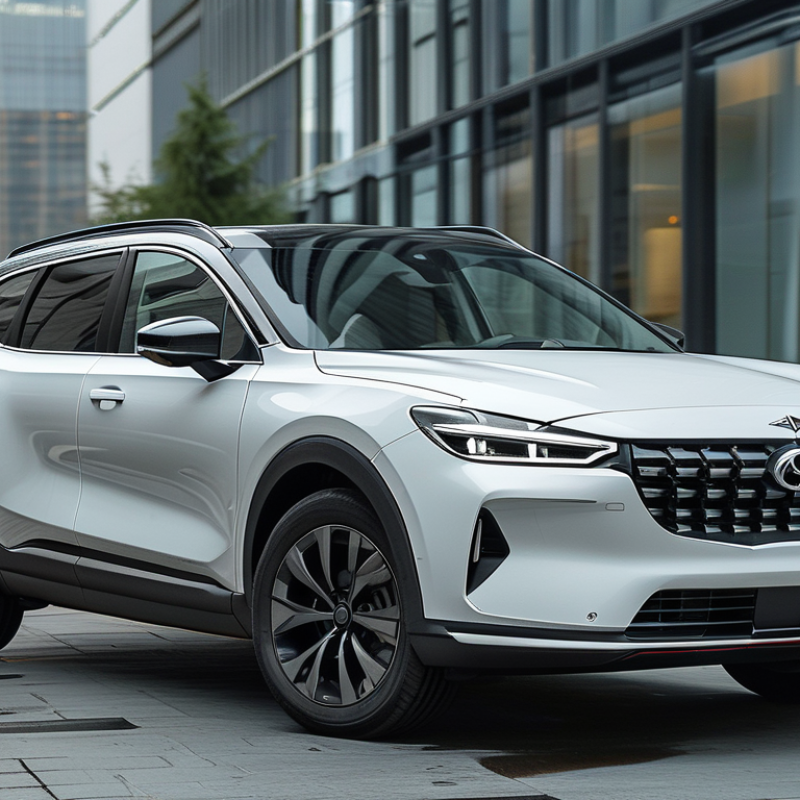
The PHEV SUV market is evolving rapidly as we approach 2026. Global demand for Plug-in Hybrid Electric Vehicles (PHEVs) is shifting. Healthier, more eco-conscious lifestyles are creating new buyer expectations. Fuel efficiency, lower emissions, and versatility are key attractions for many shoppers today.
Recent data indicates that consumers are increasingly focusing on sustainability. This trend is evident in the rising interest in electric options. Hybrid SUVs offer a balance between electric efficiency and traditional power. Many buyers appreciate this flexibility, particularly in regions where charging infrastructure is still developing. However, potential buyers should consider the complexity of these vehicles. Maintenance can be more intricate compared to standard SUVs.
Price remains another challenge. While many models now offer competitive pricing, there are still variations. Some shoppers may find it difficult to justify the upfront costs amid fluctuating fuel prices and incentives. It’s crucial for buyers to evaluate their needs and budget carefully.
Making informed decisions can require extensive research. Exploring local incentives and energy costs becomes essential before purchasing a PHEV SUV.
: Fuel efficiency, lower emissions, and versatility attract many shoppers today. These features align with eco-conscious lifestyles.
There is a rising interest in electric options, reflecting consumer priorities. Buyers want vehicles that support their sustainable values.
Check combined fuel economy and electric-only range. Typical ranges are between 20 to 40 miles for daily use.
A larger battery means more electric power. This leads to less reliance on gasoline. Efficiency ratings can vary significantly.
Evaluate home charging setups and public availability. Fast chargers can save time but are not universally available.
Generally, maintenance costs are lower for electric components. However, hybrid systems can be complex and may need more repairs.
Home charging stations reduce expenses but require upfront installation costs. Public charging can fluctuate in price, impacting budgets.
Analyze your driving patterns to maximize fuel efficiency. Each decision can lead to better cost management and savings.
Yes, potential buyers must consider upfront costs, maintenance complexity, and charging availability. Each choice involves some compromises.
Battery health, efficiency ratings, and charging habits all impact long-term performance. Reflecting on these aspects helps in decision-making.
In 2026, the global market for PHEV SUVs is expected to evolve significantly, influenced by a variety of factors that guide consumer purchase decisions. Buyers should pay attention to market trends, including the growing emphasis on sustainability and advanced technology in hybrid vehicles. Performance and efficiency metrics play a crucial role in evaluating PHEV SUVs, as consumers seek optimal fuel economy and driving experience.
Additionally, understanding the total cost of ownership, including maintenance and charging expenses, is essential for potential buyers. With many options available, comparing different PHEV SUV models and their features will help shoppers make informed decisions. By considering these key elements, global consumers can navigate the PHEV SUV landscape effectively in 2026.
