Tianli
The rise of the Plug In Hybrid SUV market in China is noteworthy for global buyers. Reports indicate a 30% increase in sales over the past year, highlighting shifting consumer preferences. According to automotive expert Dr. Li Junwei, “Plug In Hybrid SUVs offer a practical solution for environmentally conscious consumers.” This increasing demand is driven by both regulatory support and evolving lifestyle needs.
China’s focus on green technology has led to significant automotive innovations. Consumers are drawn to the unique combination of electric and petrol capabilities these vehicles offer. This flexibility supports long-range travel while reducing emissions. However, challenges remain, such as charging infrastructure and battery longevity.
Despite these hurdles, the potential for Plug In Hybrid SUVs in China is promising. More models are entering the market, encouraging competition. Strategic partnerships between automotive manufacturers are also emerging. Nonetheless, buyers should be cautious about selecting models that truly meet their needs. A well-informed decision is crucial in this rapidly changing landscape.
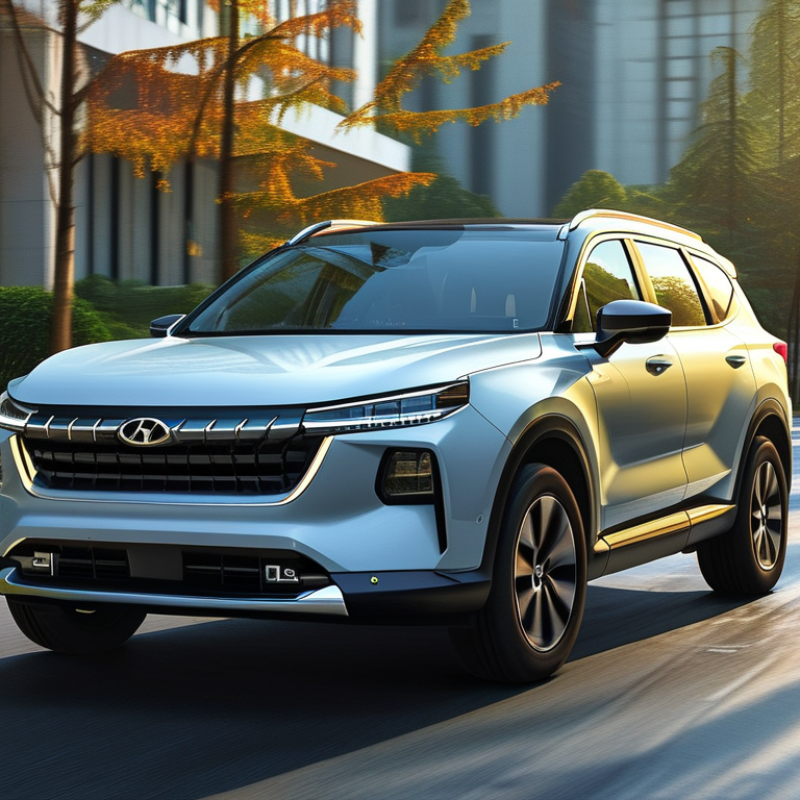
China's automotive market is witnessing a significant surge in the plug-in hybrid SUV segment. This growth reflects a shift towards more sustainable transport solutions. Buyers are increasingly attracted by the combination of electric and gasoline power. These vehicles offer flexibility, with electric-only driving for short trips and gasoline range for longer journeys.
The rapid development in technology is helping to improve battery life and efficiency. Consumers appreciate the lower emissions and fuel savings. However, the market is not without its challenges. Some manufacturers struggle with reliability and performance consistency. Additionally, limited charging infrastructure can be a significant hurdle in many regions.
Despite these hurdles, the future looks promising. Government incentives continue to drive interest in plug-in hybrids. Many urban centers are promoting cleaner vehicles to combat pollution. The ongoing competition among manufacturers encourages innovation, enhancing features and affordability. Buyers should remain informed and consider both the benefits and limitations as they explore their options.
China's plug-in hybrid SUV market is rapidly growing. Buyers now face a plethora of choices. Various manufacturers offer models with different features and price points. Some vehicles excel in electric range, while others prioritize performance. This diversity caters to the varied preferences of global consumers.
Safety features are a major consideration. Many models include advanced driver assistance systems. Yet, not all brands implement these technologies effectively. Quality control issues persist, and some models have faced recalls. International buyers should investigate safety ratings before making a purchase.
Design and interior quality also vary among competitors. Some SUVs boast spacious, premium interiors, while others feel utilitarian. Potential buyers should sit inside and experience the layouts firsthand. Test driving multiple options reveals nuances not captured in reviews. Ultimately, understanding these facets enhances informed decision-making in this competitive landscape.
Consumers in China are increasingly drawn to plug-in hybrid SUVs. They offer a blend of electric and gasoline power, appealing to those wanting efficiency without sacrificing range. This trend reflects a shift towards more sustainable driving options. Buyers enjoy the versatility these vehicles provide, allowing seamless transitions from electric to traditional fuel.
When considering a plug-in hybrid SUV, it's essential to research the options available. Many vehicles now come with advanced tech features, enhancing the driving experience. It's helpful to look at local charging infrastructure. Availability of charging stations can impact daily use. Don't overlook the battery life and its warranty, which can vary significantly among models.
Tips for potential buyers: always take a test drive. Experience the feel and performance yourself. Additionally, consider your driving habits. Most hybrid models work best for urban commuting. Reflect on whether a plug-in hybrid suits your lifestyle. It's also wise to check user reviews for real-world performance insights. Listening to the experiences of current owners can reveal potential issues.
China's push for plug-in hybrid vehicles (PHEVs) reflects its commitment to sustainable transport. Recent regulatory policies significantly influence the adoption of these vehicles. Government incentives drive manufacturers to produce eco-friendly models. The result? A rapid increase in PHEV options for consumers.
However, challenges remain. Not every buyer benefits from subsidies. Many still find high upfront costs daunting. The perceived complexity of plug-in systems also deters some consumers. Additionally, infrastructure for charging is not uniformly available. Urban areas fare better than rural ones in this regard.
Regulatory focus on emissions and fuel efficiency shapes market dynamics. Yet, policies can sometimes be inconsistent. This inconsistency can confuse both manufacturers and buyers. As the market evolves, ongoing adjustments to regulations are necessary. Balancing growth and sustainability remains a work in progress.
This chart illustrates the key metrics for top plug-in hybrid SUVs in China, highlighting their fuel efficiency, electric range, and total range. These metrics are crucial for global buyers considering the adoption of these vehicles in various markets.
China is witnessing a rapid rise in the plug-in hybrid SUV market. By 2025, projections indicate that sales will continue to soar. This trend is driven by a combination of increasing environmental awareness and supportive government policies. Advanced technology in plug-in hybrids promises better fuel efficiency and lower emissions compared to traditional SUVs.
Despite this optimistic forecast, not all brands capture consumer interest equally. Market saturation can lead to confusion for buyers. Some potential
customers may be hesitant, unsure about which models provide the best balance of performance and sustainability. Continuous innovation will be crucial to maintain competitive edges. Additionally, buyers must factor in long-term costs, including maintenance and charging infrastructure accessibility.
The demand for plug-in hybrids in China also reflects a growing shift toward electrification in the automotive industry. However, challenges persist. Besides the myriad of options, consumers face questions about battery lifespan and charging times. As manufacturers release diverse models, ensuring clear information will empower buyers to make informed choices.
| Model | Battery Capacity (kWh) | Electric Range (km) | Fuel Economy (L/100km) | Projected Sales (Units by 2025) |
|---|---|---|---|---|
| SUV A | 18 | 60 | 3.0 | 150,000 |
| SUV B | 22 | 75 | 2.5 | 180,000 |
| SUV C | 20 | 65 | 3.2 | 130,000 |
| SUV D | 25 | 80 | 2.0 | 200,000 |
| SUV E | 19 | 62 | 3.5 | 120,000 |
: Buyers appreciate the blend of electric and gasoline power. This offers efficiency and extends driving range.
Safety features are crucial. Many models include advanced assistance systems, but effectiveness varies by brand.
Yes, it's essential. Test driving helps you feel the vehicle's performance and comfort firsthand.
Availability of charging stations is important. It directly impacts your daily use and convenience.
Interior quality ranges from premium to basic. It's best to experience the layouts personally before deciding.
Battery life and warranty vary significantly. Research these factors to avoid potential issues later.
Yes, quality control issues exist. Some models have faced recalls, so research safety ratings carefully.
Most hybrids perform well in urban settings. Consider your typical driving patterns to determine suitability.
Pay attention to real-world performance insights. They can highlight potential issues that might not be apparent elsewhere.
Absolutely. Each has unique features, and comparing helps reveal nuances that reviews may miss.
The article delves into the burgeoning market for Plug In Hybrid SUVs in China, highlighting the significant growth and potential of this segment. It outlines the major players in the market through a comparative analysis, shedding light on consumer preferences and prevailing trends that are driving the popularity of Plug In Hybrid SUVs among Chinese buyers. Additionally, the impact of regulatory policies on the adoption of these vehicles is discussed, emphasizing how governmental initiatives are shaping consumer behavior and market dynamics.
Looking ahead, the article provides projections for the sales of Plug In Hybrid SUVs in China by 2025, indicating a promising future as sustainability continues to gain traction among consumers. The insights presented equip global buyers with a comprehensive understanding of the Plug In Hybrid SUV landscape in China, underscoring its importance in the transition towards greener transportation solutions.
