 Tianli
Tianli
Tianli
Premium alternative powertrain solutions selected for global commercial markets, offering maximum efficiency and zero-range anxiety.
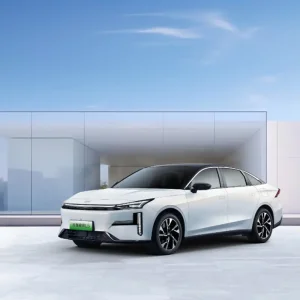
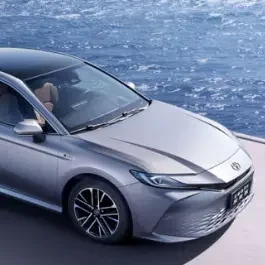

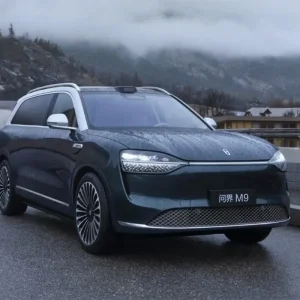
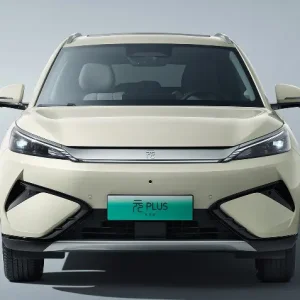
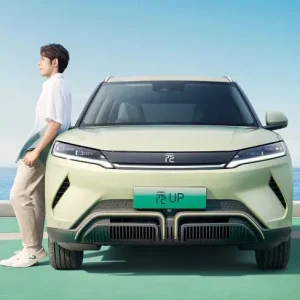
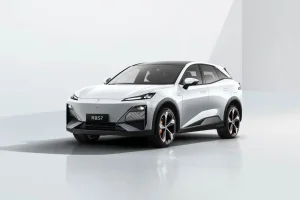
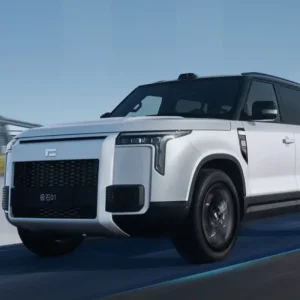
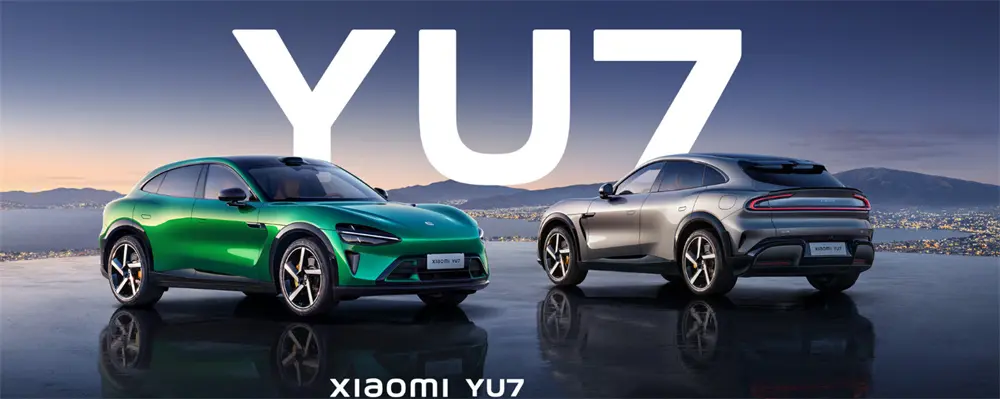
As international environmental regulations tighten and the structural transition from internal combustion engines (ICE) to sustainable powertrains accelerates, Full Hybrid Electric Vehicles (FHEVs) have emerged as a dominant strategic pillar for global fleet operators and private transport sectors. FHEVs bridge the gap between traditional combustion dynamics and total battery electrification (BEVs), particularly in regions plagued by fragmented charging infrastructure.
Operating via a dual-propulsion system, FHEVs dynamically manage load distribution between an ultra-efficient internal combustion engine (often running on the Atkinson or Miller cycle) and an electric motor coupled to a compact high-voltage traction battery. Because FHEVs rely entirely on self-charging regenerators (regenerative braking) and engine-driven generation, they eliminate range anxiety while reducing carbon dioxide emissions by up to 35% compared to conventional ICE equivalents.
WLTP data validates that next-generation Dedicated Hybrid Transmissions (DHT) achieve system thermal efficiencies exceeding 43%, ensuring operational cost stability during volatile energy pricing shifts.
Years in Export
Trusted parallel auto exporter established in 2012
Patents Held
Continuous R&D in automotive and security systems
Countries Served
Robust logistical coverage across Europe, Central Asia, and MEA
Facility Area
State-of-the-art diagnostic, storage, and processing plant
A closer look at the localized engineering, component supply chains, and design capabilities driving modern hybrid efficiency.
By localizing over 75% of raw material processing for lithium iron phosphate (LFP) and nickel-manganese-cobalt (NMC) chemistries, Chinese factories minimize shipping overhead, securing unparalleled bill-of-materials (BOM) cost structures.
Dual-motor multi-gear setups (ranging from single-speed to 3-speed DHT architectures) maintain optimal engine load levels. This results in superior highway fuel efficiency compared to single-speed systems, which suffer performance drops under sustained loads.
Collaborative engineering pipelines enable developers to finalize prototype powertrain configurations and roll out verified mass-production cycles in under 18 months, compared to the industry standard of 36 months.
An objective, technical analysis of Full Hybrids (FHEVs), Plug-in Hybrids (PHEVs), and Battery Electrics (BEVs) for global B2B procurement decisions.
| Feature / Metric | Full Hybrid (FHEV) | Plug-in Hybrid (PHEV) | Battery Electric (BEV) |
|---|---|---|---|
| Charging Infrastructure Dependency | Zero (100% self-charging via ICE & regenerative braking) | Moderate (requires external plug for optimal utility) | Critical (wholly dependent on grid-connected stations) |
| Average Real-world Fuel Efficiency | ~4.0L - 5.5L / 100km | ~1.5L - 2.5L / 100km (when charged) | N/A (0 Liters) |
| Battery Chemistry & Capacity | 1.2 - 2.5 kWh (typically high-rate LFP or NMC) | 10 - 40 kWh (LFP / NMC) | 40 - 150 kWh (Solid-state, LFP, NMC) |
| Unit Acquistion Cost Index | Baseline (Most cost-effective for import tariffs) | Moderate (+15-25% premium over FHEV) | High (+40-60% premium over FHEV) |
| Cold Climate Operational Stability | High (Waste heat from engine warms passenger cabin) | Moderate (Range decreases without active thermal preconditioning) | Low to Moderate (Up to 30% battery range loss) |
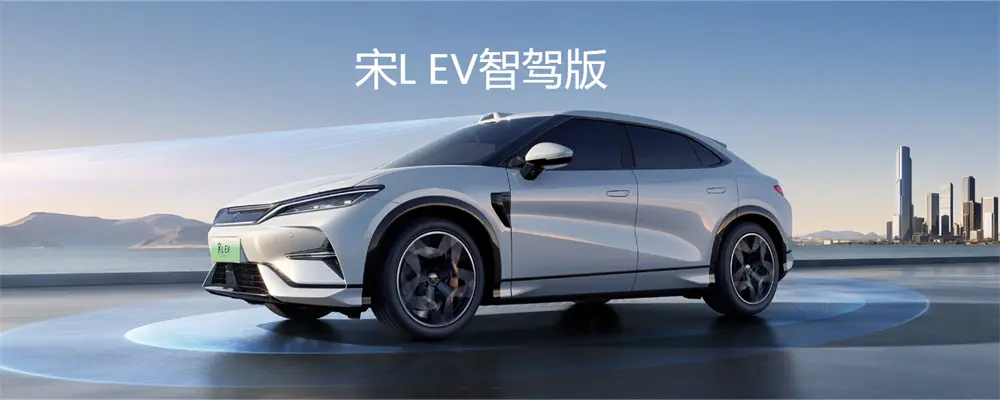
Understanding user intent is essential for global buyers. FHEV models are not universal solutions; they serve specific commercial, operational, and geographical needs:
A Ministry of Commerce-certified exporter combining parallel automotive trading networks with advanced tech solutions.
As a leading parallel exporter, we source, inspect, and export brand-new, zero-mileage vehicles from premium Chinese domestic factories, bypassing long agent networks to pass direct savings to our partners.
We manage all aspects of export documentation, customs clearance, transit shipping via China-Europe railway links, and ocean freight dispatch, ensuring seamless door-to-port delivery.
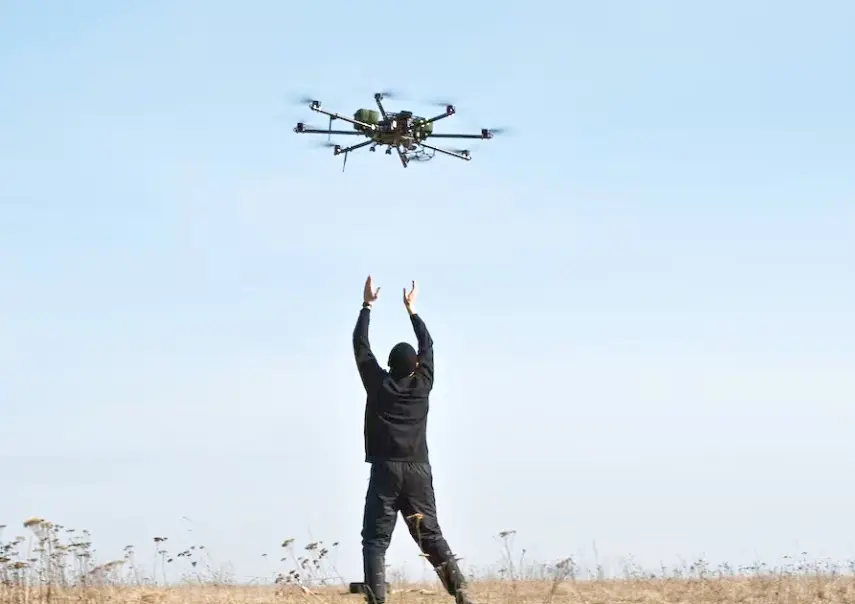
Through our dedicated low-altitude security division, we develop integrated counter-UAS platforms, providing drone detection and neutralization systems to protect strategic sites.
Every vehicle undergoes a detailed 120-point inspection covering powertrain stability, battery diagnostics, structural integrity, and software configuration before leaving our yard.
Securing large-scale automotive imports requires a clear, structured procurement framework to minimize risks and ensure regulatory compliance:
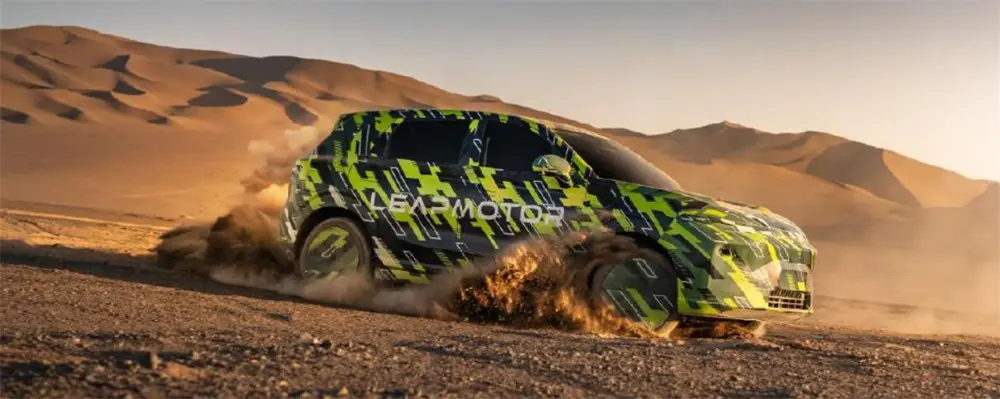
Providing direct sourcing, global shipping networks, and customizable technical integration for international buyers.
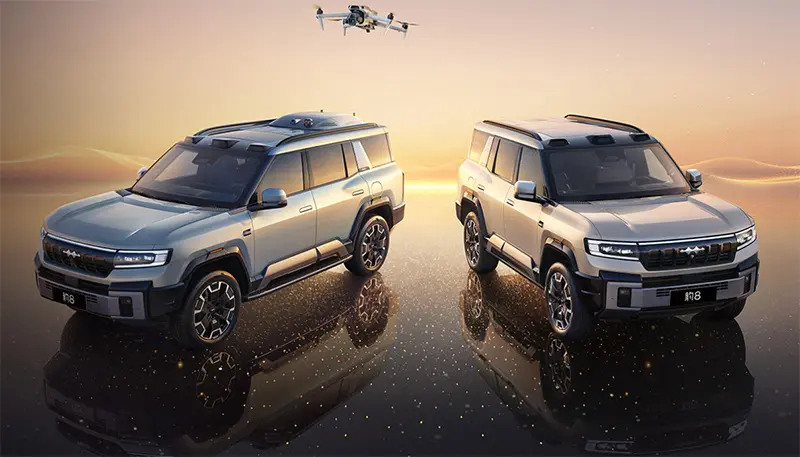
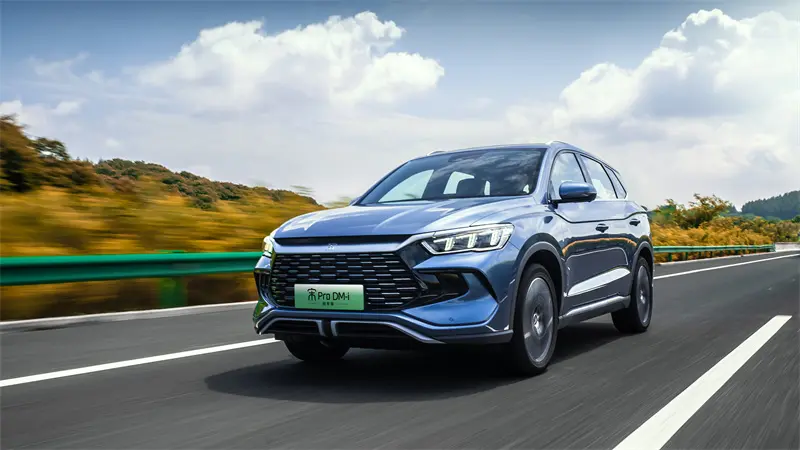
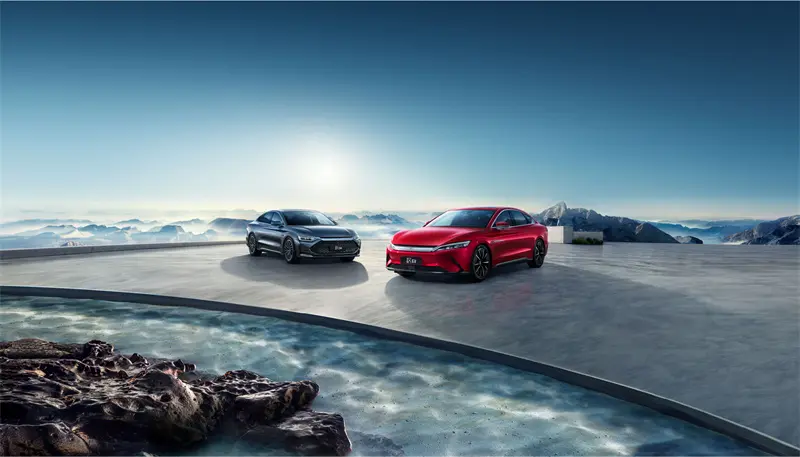
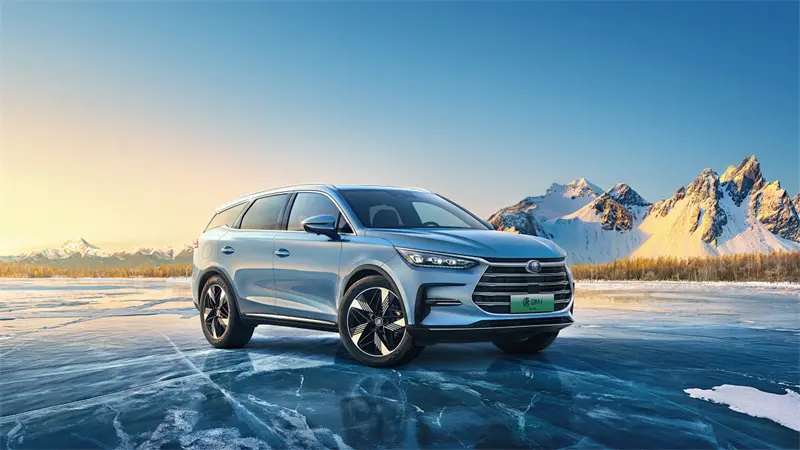
Strategic Sourcing Intelligence: By integrating manufacturing systems and parallel vehicle sourcing pipelines, Tianli International Trade Group delivers consistent delivery metrics. We support a minimum monthly delivery target of 200 units, backed by professional inspection and shipping protocols.
Understanding future hybrid technologies is essential for long-term fleet purchasing decisions:
Essential information for corporate buyers, fleet managers, and international importers exploring hybrid procurement.
Full Hybrid Electric Vehicles (FHEVs) are self-charging and do not require external charging stations. This makes them ideal for markets lacking extensive charging infrastructure. PHEVs feature larger batteries that can be plugged in for short-range, all-electric operation. However, they are heavier, costlier, and require plug-in charging to maintain efficiency.
Parallel auto export involves purchasing brand-new, unregistered vehicles from Chinese distribution channels. These vehicles undergo an export inspection and are issued an official parallel export certificate by Chinese licensing bodies. This allows us to export them as zero-mileage vehicles directly to international ports.
Every vehicle undergoes a 120-point inspection before dispatch, covering battery state-of-health (SoH) diagnostics, electronics, engine, and safety systems. For long-distance shipping, batteries are set to an optimal storage charge level of 50-60%. We also disconnect auxiliary power loops to prevent voltage drops.
Yes. Modern hybrid powertrains perform well in extreme environments. In cold climates, waste heat from the engine is repurposed to warm the battery and passenger cabin. In hot climates, advanced liquid cooling loops protect the battery, ensuring consistent performance.
In addition to automotive parallel export and global logistics, Tianli designs and deploys low-altitude security platforms. This includes counter-UAS systems, drone detection arrays, and secure communication networks for smart cities and sensitive locations.
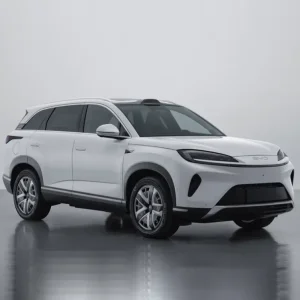
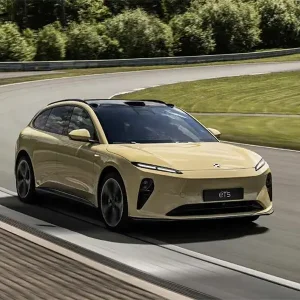
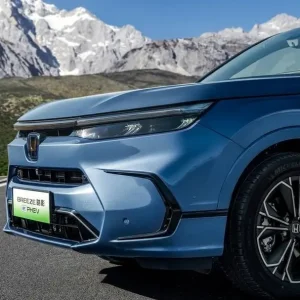
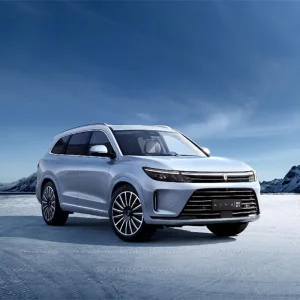
Explore more high-efficiency options, including sedans, SUVs, and commercial platforms from leading manufacturers.
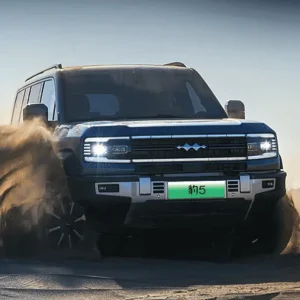
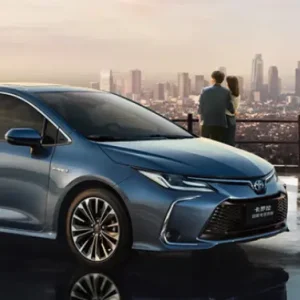
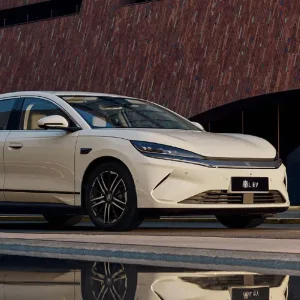
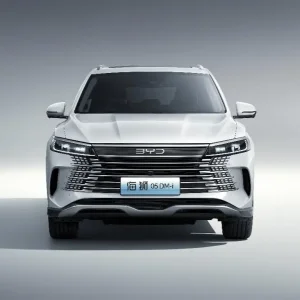
Get in touch with our supply chain team to request detailed technical configurations, pricing lists, or customs documentation. We respond within 24 hours.