 Tianli
Tianli
Tianli
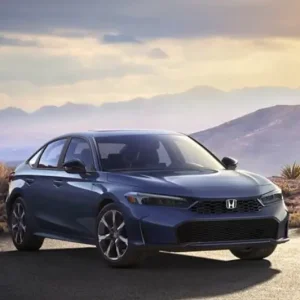
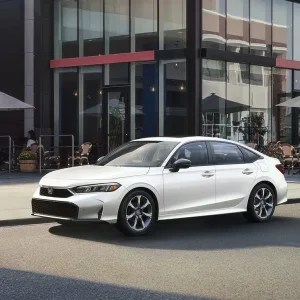
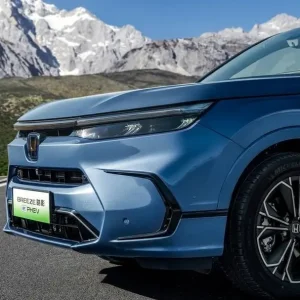
Explore our top-tier catalog of highly efficient gasoline and hybrid models optimized for regional driving conditions.
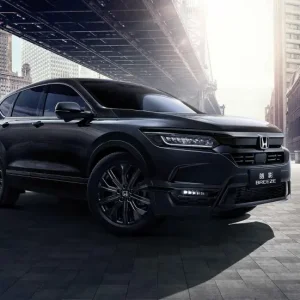
An in-depth analysis of structural policy changes, technological shifts, and the critical role of China's Industry 4.0 parallel exports in shaping East Africa's transportation grid.
In a historic and unprecedented policy shift, the Ethiopian Ministry of Transport and Logistics announced a definitive ban on the import of internal combustion engine (ICE) passenger cars. This bold economic and environmental decision positions Ethiopia as the first country in the world to implement a comprehensive ban on fossil-fuel cars before major European nations.
The macroeconomic rationale is compelling. Ethiopia spends billions of dollars annually on importing refined petroleum products, severely straining its foreign exchange reserves. Concurrently, the commission of the Grand Ethiopian Renaissance Dam (GERD)—expected to generate upwards of 5,000 MW of clean hydro energy—has endowed the nation with a cheap, domestic electricity surplus. By shifting the transport demand from imported oil to local hydroelectric power, Ethiopia intends to simultaneously stabilize its trade balance and achieve its carbon neutrality goals under the Climate Resilient Green Economy (CRGE) strategy.
Market Insight: According to current import structures, clean energy vehicles (EVs and PHEVs) enjoy deep tariff exemptions, dropping customs duties to negligible levels compared to the historical 200%+ tax rate applied to conventional ICE vehicles. This creates an unparalleled arbitrage opportunity for zero-mile used cars and parallel EV exports.
The phrase "Zero-Mile Used Car" is a vital compliance and commercial category within the Chinese export pipeline. Officially designated as "used" to navigate domestic Chinese export policies, these vehicles are physically brand new, unused, and possess odometer readings close to zero. They represent factory overstocks, dealer allocation liquidations, or parallel trade models that are fully inspected, optimized, and prepared for shipping.
For local distributors, public transport cooperatives, and corporate procurement departments in Addis Ababa, zero-mile cars present an ideal balance: they deliver the reliability, manufacturer-level pristine finish, and advanced technology of a brand-new model, but at the highly discounted pricing typical of pre-owned trade markets.
The dominance of Chinese automotive imports in Ethiopia is not accidental; it is built on the massive industrial foundation of China’s Factory 4.0 ecosystem. By integrating AI-driven automated assembly, real-time quality testing, and consolidated raw material supply chains, Chinese manufacturers like BYD, GAC AION, and Leapmotor produce high-end electric vehicles at a cost-to-performance ratio that Western legacy brands cannot match.
At Tianli, we leverage this ecosystem by maintaining deep partnerships with primary OEMs and holding national commercial parallel export permits certified by the Ministry of Commerce of China. Our 10,000-square-meter facility handles multi-brand consolidation, structural diagnostics, battery health monitoring, and protective export packing. Our robust supply chain guarantees delivery timelines and bypasses middle-man markups, ensuring maximizing profit margins for East African dealerships.
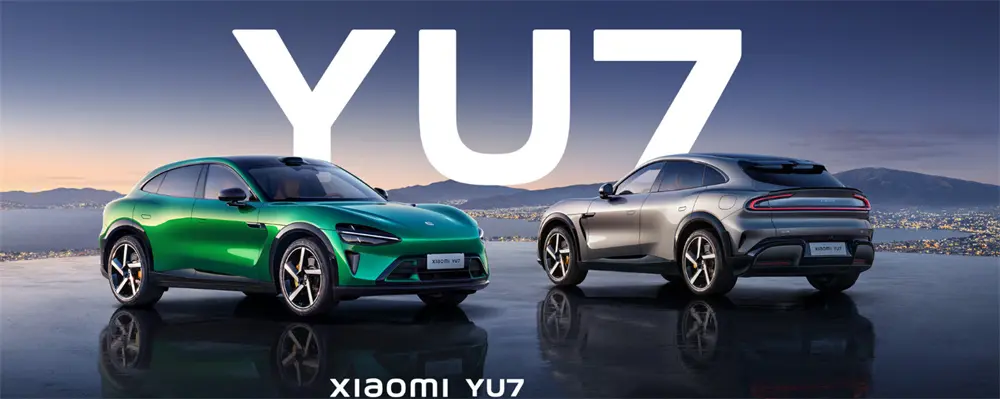
Beyond passenger vehicles, Tianli has integrated its supply capabilities into security and defense applications. Our parallel security division designs and deploys low-altitude Unmanned Aerial System (UAS) detection and countermeasure platforms.
In a growing industrial environment like Ethiopia—which has established multiple massive industrial zones like Bole Lemi, Hawassa, and Eastern Industrial Zone—critical infrastructure protection is paramount. Our dual-track expertise means we do not just supply electric transport options; we offer security solutions, mobile terminal monitoring, and multi-function communication networks to secure high-value industrial hubs.
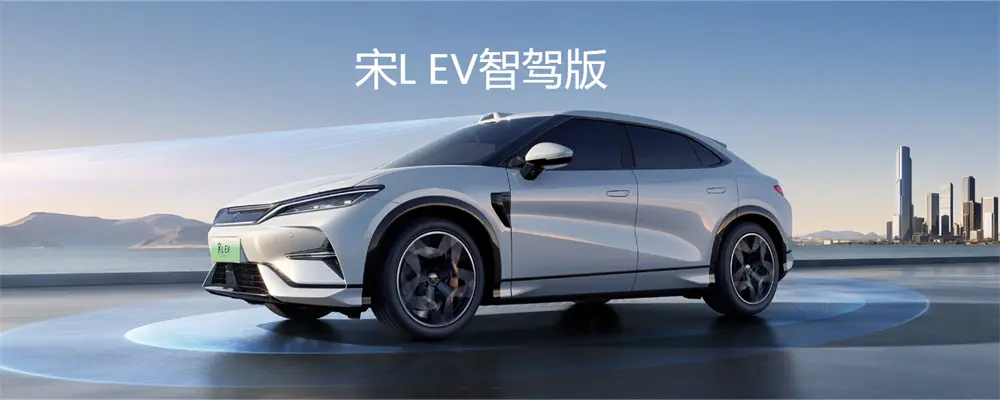
Deploying EVs in East Africa requires an understanding of localized parameters. Altitude changes in Ethiopia, particularly in Addis Ababa (lying at over 2,200 meters), influence battery cooling, thermal management, and motor outputs.
Unlike traditional ICE cars which lose up to 20% of their power due to low oxygen levels at high altitudes, electric powertrains maintain 100% torque output instantly, making them exceptionally suited for mountainous urban environments. Vehicles in our portfolio, like the BYD Song L and Leopard 5, feature intelligent thermal management systems optimized for continuous operation under local terrain conditions.
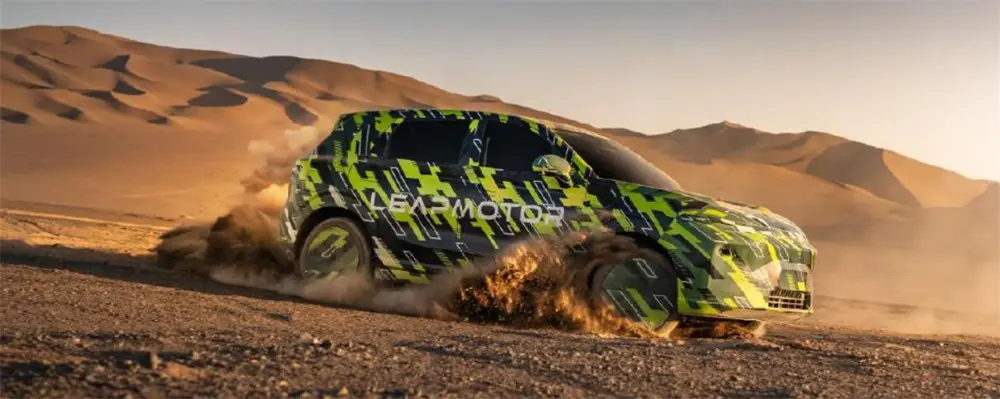
Browse our collection of zero-mile used cars, intelligent SUVs, and hybrid models ready for immediate shipping to Ethiopia.
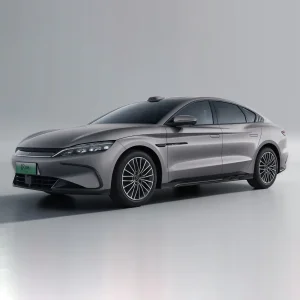
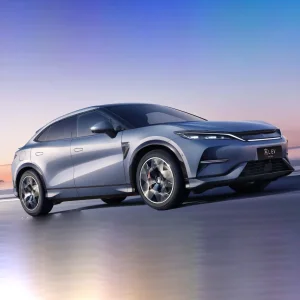
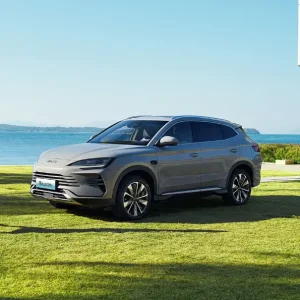
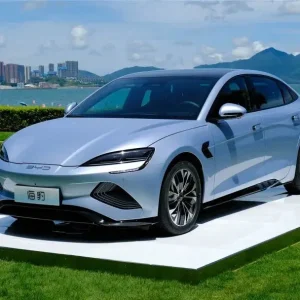
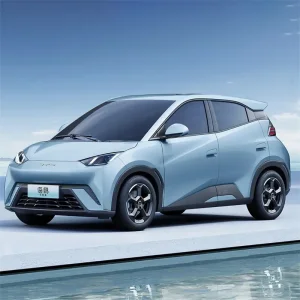
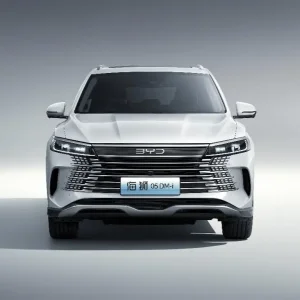
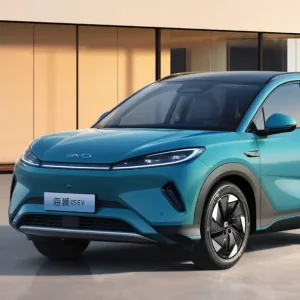
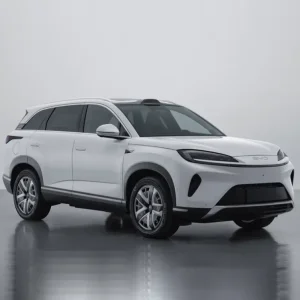
Partner with Tianli for customized pricing, dedicated logistics support, and reliable multi-brand vehicle sourcing. Let our experts optimize your imports and align your operations with local policies.
Send Inquiry Now