 Tianli
Tianli
Tianli
High-torque, heavy-payload three-wheel vehicles tailored for municipal utilities and zero-emission delivery corridors in Geneva Canton.
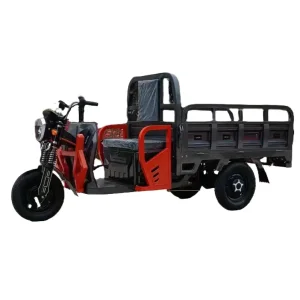
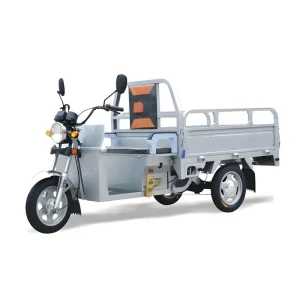
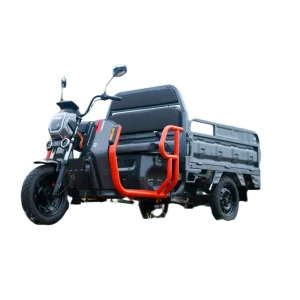
Tianli International Trade Group operates as a comprehensive, end-to-end supply chain integration partner. Leveraging over a decade of deep automotive sector engineering, we specialize in scaling clean transportation configurations globally. From our primary production centers in China's automotive heartlands, we bridge the gap between state-of-the-art new energy vehicle (NEV) manufacturing and the rigorous, quality-driven municipal requirements of markets like Geneva, Switzerland.
Our operation is distinct: we integrate product engineering, regulatory verification, strict export compliance, and localized logistics support. In response to Geneva's ambitious 2030 climate goals and city-center zero-emission mandates, we deploy heavy-duty commercial cargo electric tricycles and support logistics vehicles configured to perform on demanding European topographies.
Decarbonization policies, localized regulations, and geographical conditions driving three-wheeled EV adoption.
Geneva's unique geography—nested between Lake Geneva and surrounding mountain ranges, characterized by narrow medieval old town alleys and bustling international administrative districts—presents a complex puzzle for logistics. The Canton of Geneva has set strict climate goals aiming for a 60% reduction in greenhouse gas emissions by 2030 and complete carbon neutrality by 2050. Conventional light commercial vehicles (LCVs) are increasingly restricted in core urban zones to combat air pollution and structural traffic congestion.
In this context, electric cargo tricycles have emerged as the optimal bridge. With urban loading zones at a premium, a compact 1.5-meter to 1.8-meter electric cargo platform allows logistics operators (such as Swiss Post, DHL Express, and local Swiss courier networks) to navigate restricted streets easily. Furthermore, Swiss heavy-vehicle fees (LSVA) do not apply to these lightweight electric utility vehicles, offering immediate tax and operating cost exemptions for businesses operating inside the canton.
With Geneva's proposed expansion of low-emission corridors and inner-city car-free regulations, only zero-emission electric powertrains can guarantee uninterrupted last-mile access to historic districts, luxury retail promenades, and residential sectors.
Geneva's surrounding terrain includes rolling hills and steep historic street inclines. Standard electric bikes fail when loaded with heavy payloads; our vehicles incorporate high-torque PMSM mid-motors and specialized reduction transaxles to climb 20% inclines under full load.
Our cargo trikes act as the primary kinetic link from outskirts logistics micro-hubs directly to urban doorsteps, reducing the reliance on massive diesel vans and reducing municipal traffic load by up to 40% per routing run.
Why our electric tricycles outperform generic urban cargo designs under Swiss conditions.
To serve the Swiss market reliably, an electric tricycle must be engineered far beyond basic consumer standards. Low winter temperatures, steep gradients, and the constant threat of damp road salt require industrial-grade materials and rigorous electrical system protection. We optimize our powertrains and chassis constructions specifically to meet these variables.
| Feature Spec | Standard Low-Cost Trike | Tianli Swiss-Edition Commercial Trike | Logistics Value Impact |
|---|---|---|---|
| Powertrain | 800W Brushed DC Motor | 1500W-3000W Permanent Magnet Synchronous Motor (PMSM) | High efficiency, 95%+ heat dissipation, massive starting torque for 20%+ gradients |
| Battery Tech | Standard SLA or basic Li-ion | LFP (Lithium Iron Phosphate) with Smart BMS & Thermal Insulation Jacket | Excellent performance down to -15°C; 3,000+ charge cycles before nominal capacity drop |
| Braking System | Cable-operated drum brakes | Dual-circuit Hydraulic Disc Brakes with Regenerative EBS | Shorter stopping distance under full load; recovers kinetic energy on downhill runs |
| Chassis & Frame | Stamped carbon steel | Robotic-welded, high-tensile steel, hot-dip galvanized & powder-coated | Rust-proof protection against corrosive road salt; holds 500kg+ payload safely |
| Telematics & IoT | None | CAN-bus protocol integrated with 4G/GPS fleet management tracking | Real-time location, battery state-of-health (SoH) diagnostics, and geofencing |
Winter in the Canton of Geneva can severely reduce battery capacity. Tianli tricycles feature localized, thermal-insulated battery bays wrapped in smart heating blankets. The integrated Battery Management System (BMS) monitors cell temperatures, routing mild resistive heat when charging or discharging below freezing. This keeps cell temperatures within the optimal 15°C to 25°C window, preserving range and extending total battery lifetime.
Navigating down steep hills with half a ton of cargo can strain mechanical brake pads. Our systems integrate electronic braking (EBS) with regenerative recovery, transforming the electric motor into a generator when traveling downhill. This controls descent speed safely while feeding up to 15% of kinetic energy back into the LFP battery cells, minimizing mechanical wear and reducing overall maintenance overhead.
Optimizing CAPEX and OPEX for fleet procurement and operations.
For multinational fleet managers, commercial vehicle procurement is a balance of initial acquisition costs (CAPEX) and ongoing operating costs (OPEX). Tianli International addresses both sides of the equation. By sourcing directly from premium Chinese manufacturing pipelines, we provide enterprise buyers with a 30-40% cost reduction in CAPEX compared to locally produced European alternatives, without compromising on quality or legal compliance.
From an OPEX perspective, our commercial electric tricycles offer significant savings over diesel-powered vans. An electric cargo tricycle costs roughly 85% less to fuel than a traditional LCV, and has fewer moving parts, which reduces maintenance and service intervals. Over a typical 5-year fleet lifecycle, this translates to a massive reduction in Total Cost of Ownership (TCO).
We manage the entire sourcing process, from customized design and factory-level configuration to safety certification, export documentation, and customs clearance. This simplifies international purchasing, saving you time and resources.
Every vehicle undergoes a rigorous multi-point inspection before dispatch. We test battery health, motor performance, and structural integrity, ensuring that each tricycle arrives ready for operation.
We work with global fleet operators through various partnership and payment models. Our team provides reliable after-sales support, including spare parts availability and technical assistance.
Ensuring your fleet meets the highest safety standards and Swiss regulations.
All vehicles destinados for the Geneva market are certified to meet European safety standards, including full CE markings. We work with international testing agencies like SGS to verify compliance with machinery directives, electromagnetic compatibility (EMC), and low-voltage electrical standards.
Our engineering team works closely with local Swiss distributors to ensure that all tricycles comply with Astra (Swiss Federal Roads Office) regulations. We supply all necessary documents, including COC (Certificate of Conformity) and technical data sheets, to facilitate registration with the Office Cantonal des Véhicules in Geneva.
To keep your fleet running smoothly, we establish local parts hubs stocked with critical components, such as controllers, motors, batteries, and suspension systems. This ensures quick turnaround times for repairs and minimizes downtime for your operations.
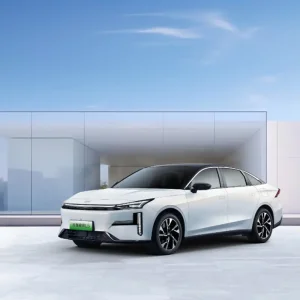
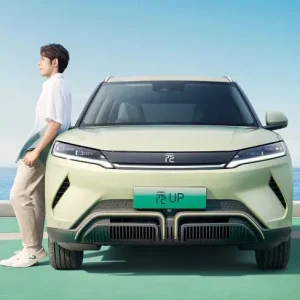
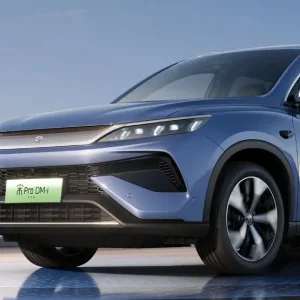
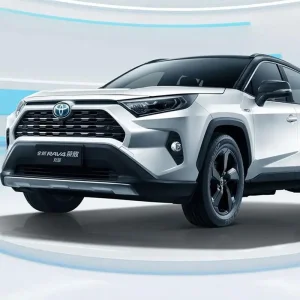
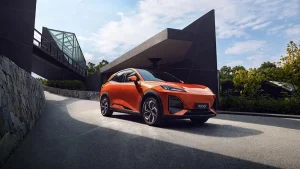
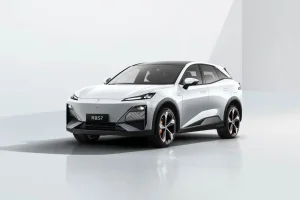
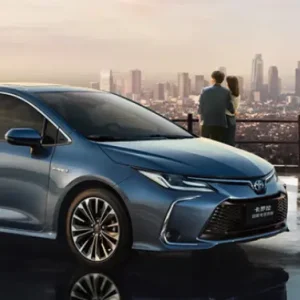
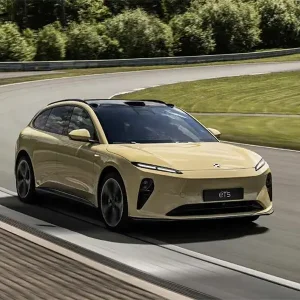
Explore our wider catalog of electric vehicles, from micro-logistics carriers to supportive municipal fleet vehicles.
Clear, authoritative insights regarding logistics, homologation, customs duty, and operating electric cargo fleets in Switzerland.
Our electric cargo tricycles destinados for Swiss deployment conform strictly to the European Union and EFTA regulatory framework. We provide full CE certification, including electromagnetic compatibility testing and structural analysis. Our vehicles are supplied with standard European Certificate of Conformity (CoC) documents, which simplifies the registration process at canton-level vehicle administration offices, including Geneva's Office Cantonal des Véhicules.
To combat extreme cold temperatures, we equip our Swiss-edition tricycles with Lithium Iron Phosphate (LFP) batteries wrapped in a custom thermal insulation jacket. Combined with an intelligent Battery Management System (BMS), the system regulates internal cell temperatures, ensuring reliable performance, range, and charge cycles even at temperatures down to -15°C.
For standard configurations, the production turnaround is approximately 30 to 45 days from order confirmation. Custom designs or specialty municipal utility alterations may extend this timeline to 60 days. Transcontinental shipping from our hub ports in China to European hubs generally takes between 35 and 45 days, depending on seasonal shipping routes.
We work with local logistics partners to maintain a steady stock of essential replacement parts, including controllers, transaxles, brake systems, and battery components. We also provide comprehensive service manuals and digital diagnostic tools, enabling local fleet operators or independent Swiss service garages to perform quick, efficient repairs.
Yes. Switzerland exempts electric utility vehicles from the heavy-vehicle fee (LSVA), and many cantons, including Geneva, offer local subsidies and reduced road taxes for commercial electric vehicles. These incentives help lower initial CAPEX and accelerate your return on investment.
Get in touch with our engineering and logistics specialists for customized configurations, volume discounts, and complete Swiss compliance support.
Send Inquiry Now