 Tianli
Tianli
Tianli
Direct supply from state-of-the-art production facilities, integrating industry-leading battery management technologies.
The global transition to electrification is no longer a matter of green policy alone; it is a structural revolution in total cost of ownership (TCO) optimization and operational efficiency. B2B fleet buyers, logistics providers, and dealerships demand maximum range capabilities to minimize charging downtime and eliminate the cognitive barrier of range anxiety. Across European, North American, and Southeast Asian markets, the demand for vehicles exceeding 600km WLTP is surging. Sourcing managers are focusing on factories that can deliver consistent, high-yield battery packs combined with intelligent thermal management systems.
At the center of this industrial shift stands the Chinese manufacturing ecosystem. Utilizing unmatched supply-chain clustering, Chinese EV factories have successfully compressed the R&D cycle for next-generation platforms. Companies like Tianli International Trade Group leverage this consolidated supply structure, operating as a vital gateway for global distributors seeking cutting-edge parallel auto exports, zero-mileage pre-owned vehicle pipelines, and comprehensive multi-brand sourcing.
Achieving elite range metrics requires a multi-pronged technical approach. Automotive engineers are moving away from simply increasing battery pack sizes, which adds counter-productive weight, and are instead focusing on structural optimization and chemistry transitions. The current technology roadmap is defined by three primary vectors:
Integrating cells directly into the vehicle structure eliminates redundant housing modules, increases spatial efficiency by up to 18%, and bolsters torsional stiffness. This structural shift allows for larger volume density within the same wheelbase limits.
Silicon Carbide (SiC) power modules reduce switching losses in inverters by 70% compared to traditional IGBTs. By operating on 800V architectures, vehicles achieve up to a 10% efficiency gain and allow for hyper-fast charging (10% to 80% SoC in under 15 minutes).
Transitioning from volatile liquid electrolytes to solid-state formats raises energy densities beyond 400 Wh/kg. Semi-solid state chemistry is already entering commercial phases, offering superior thermal stability and unprecedented longevity in extreme conditions.
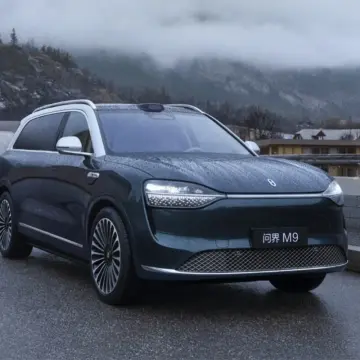
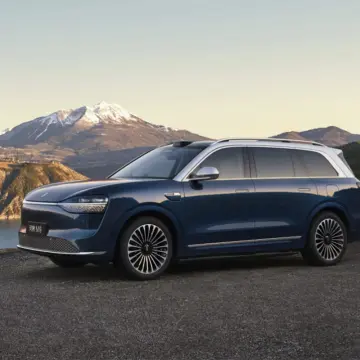
In addition to pure BEV (Battery Electric Vehicle) frameworks, EREV (Extended Range Electric Vehicle) architectures have emerged as an essential transition technology. By utilizing a high-efficiency internal combustion engine solely as an onboard generator to recharge the battery pack, models like the AITO M9 EREV and DEEPAL S07 EREV offer total combined ranges exceeding 1,200km. This completely removes infrastructure dependency in developing charging markets, making them ideal for cross-regional logistics and long-distance fleet operations.
China's dominance in the global EV market is rooted in structural efficiency. The Yangtze River Delta and Pearl River Delta regions act as hyper-integrated automotive hubs where battery cell fabrication, cathode/anode processing, semiconductor assembly, and final chassis production occur within a 100-kilometer radius. This geographic concentration reduces logistical friction, limits carbon footprints during assembly, and shields factories from global trade fluctuations.
This localized resilience allows for unparalleled dynamic adaptation. Sourcing managers can request customization, rapid prototyping, and software changes that would take months in western factories. Furthermore, parallel export channels permit companies like Tianli to access vehicles direct from assembly lines, assuring buyers of zero-mileage status, strict quality verification, and rapid clearance. This ensures competitive pricing and safeguards profit margins for global distributors.
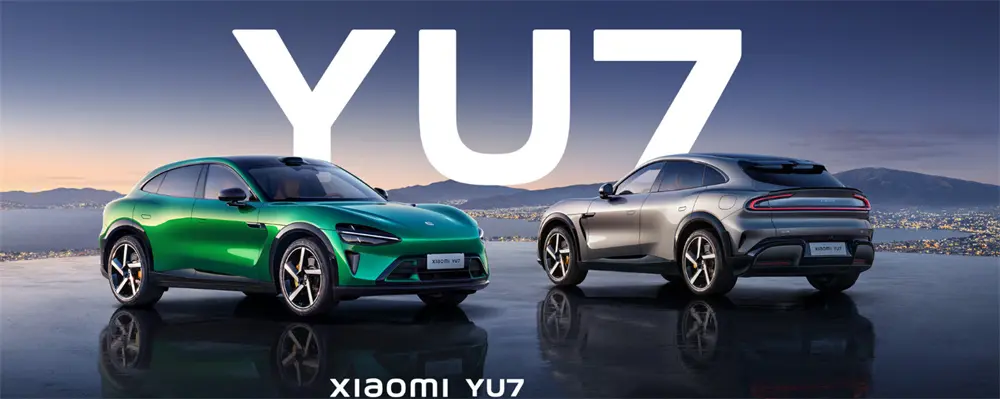
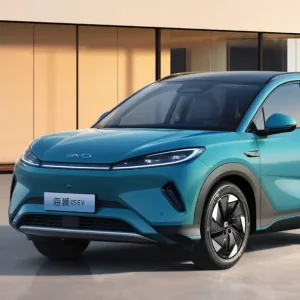
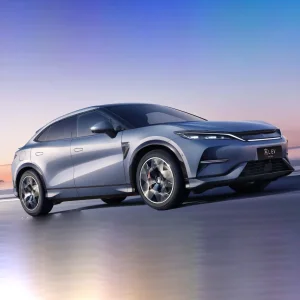
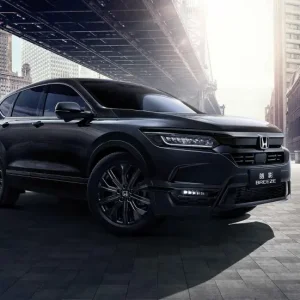
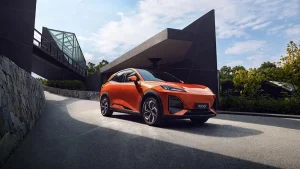
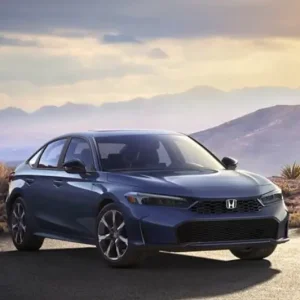
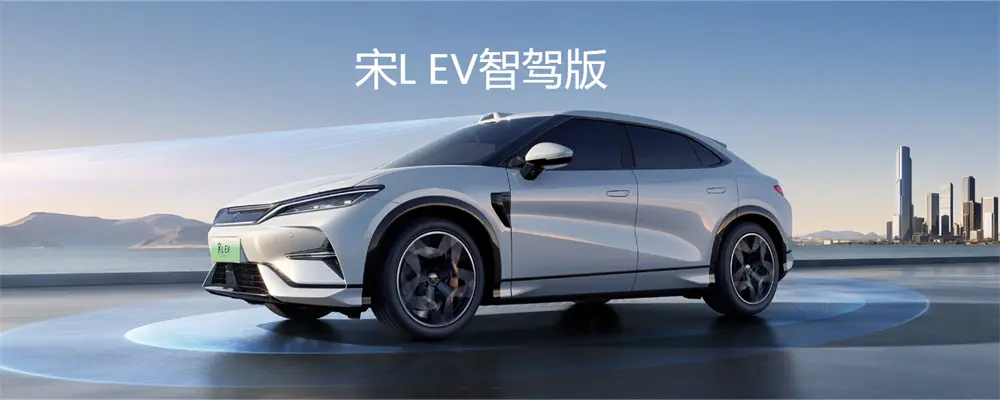
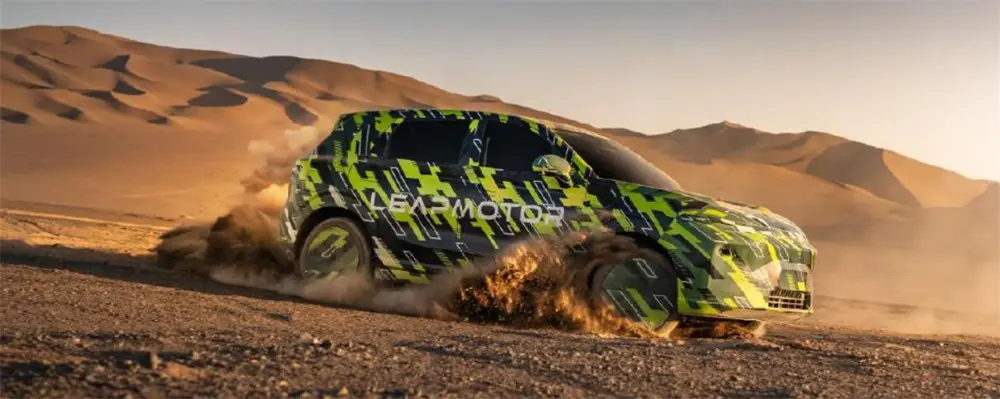
Eliminate multi-vendor fragmentation. Access BYD, Geely, AITO, Leapmotor, and international joint ventures (Honda, Proton) via a single unified supplier gateway.
We handle procurement, local registration/de-registration, export certification from the Ministry of Commerce, final mechanical inspection, and secure container shipping.
The applicability of EV technology varies significantly by target market. Designing optimized deployment strategies requires analyzing local environments, urban density, and typical user habits:
By assessing these localized scenarios, fleet operators can select the appropriate powertrain mix, choosing between Pure Battery Electric (BEV), Plug-in Hybrid (PHEV), or Extended Range (EREV) to balance infrastructure realities with performance goals.
Tianli Global Sourcing Center
Smart Grid Integration & Charging Solutions
Technical Diagnostics & Inspection
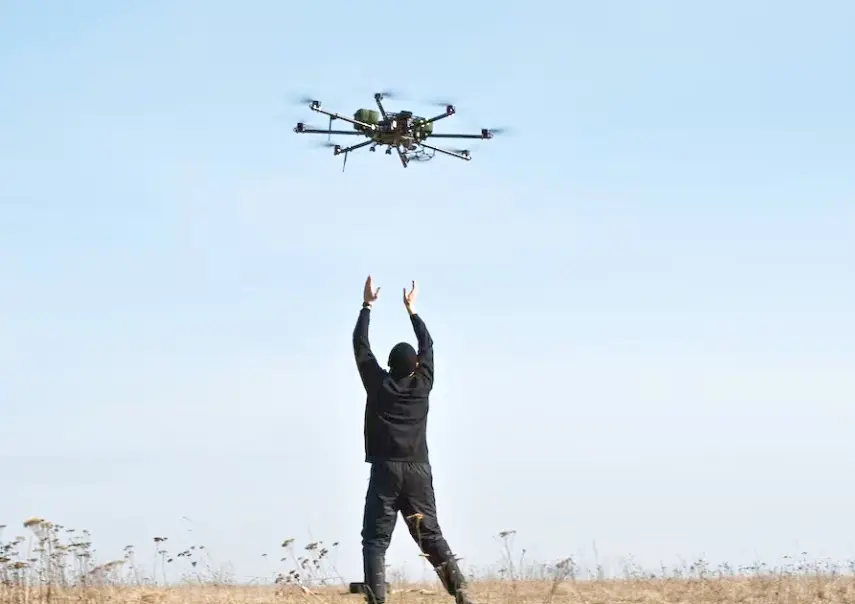
In addition to automotive logistics, modern industrial facilities must address new operational security challenges. The rapid proliferation of commercial drones poses risks to vehicle staging areas, shipping yards, and manufacturing hubs. Tianli International Trade Group has expanded its capabilities into advanced defense technologies, offering integrated systems designed to identify and mitigate low-altitude unmanned aerial threats.
Our solutions feature multi-dimensional security management, combining RF scanning, radar detection, and optical tracking to identify unauthorized drones. Countermeasure protocols utilize selective signal disruption to neutralize intrusions safely. By linking security hardware with mobile command platforms, we help port terminals, automotive staging areas, and industrial facilities protect high-value inventory from surveillance and disruption.
Securing large shipping ports and distribution hubs containing zero-mileage vehicles from drone-based industrial espionage and physical sabotage.
Integrating low-altitude security systems into modern smart-city ecosystems to manage urban airspace alongside automated EV logistics grids.
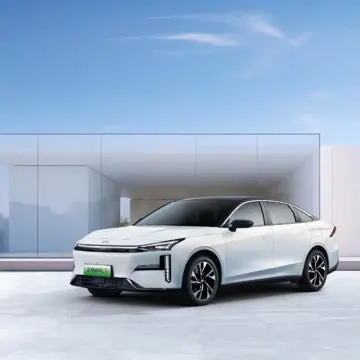
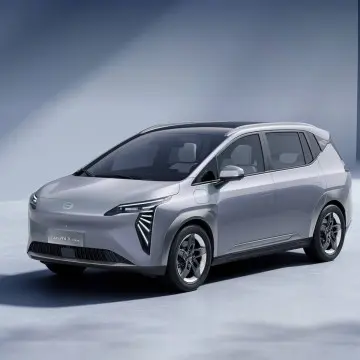
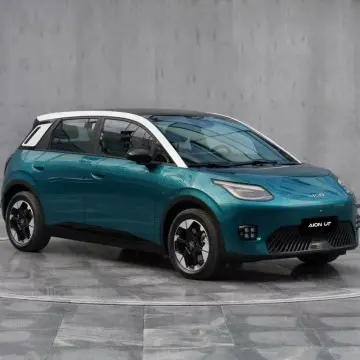
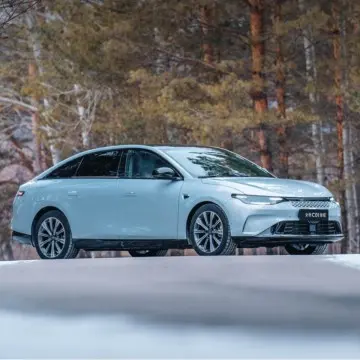
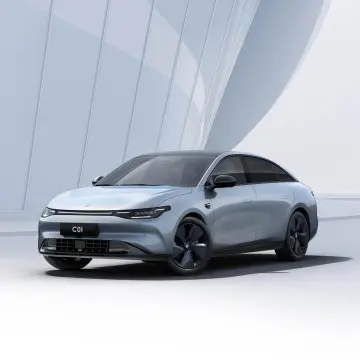
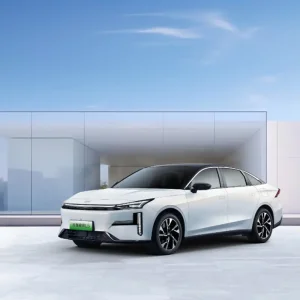
High-efficiency, long-range new energy solutions, and EREV models currently dominating international demand curves.
Sourcing and exporting passenger and utility vehicles requires more than just procurement. It demands a highly organized supply chain capable of handling international homologation standards, customs clearance processes, and multi-modal logistics.
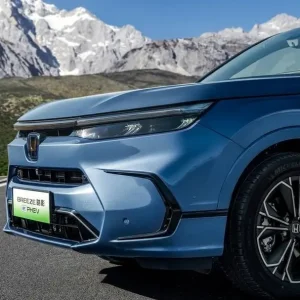
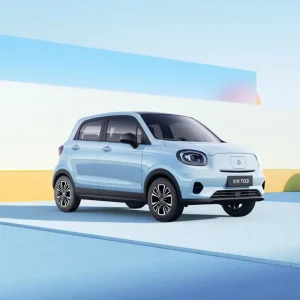
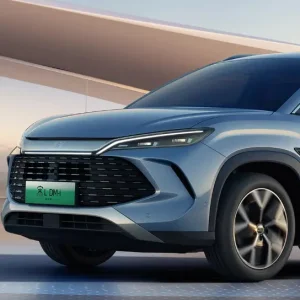
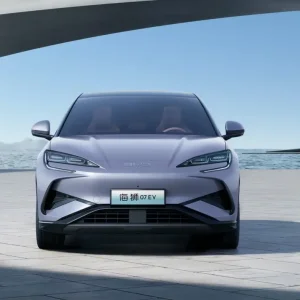
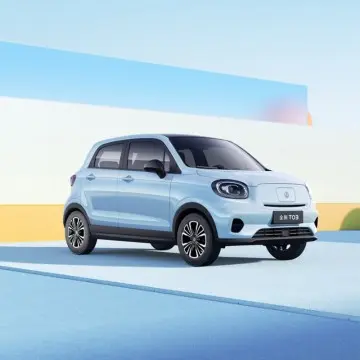
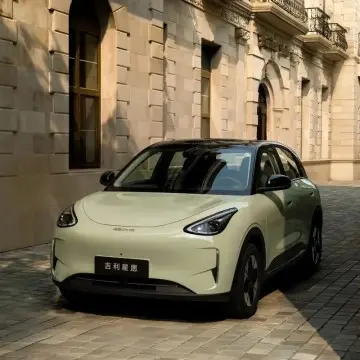
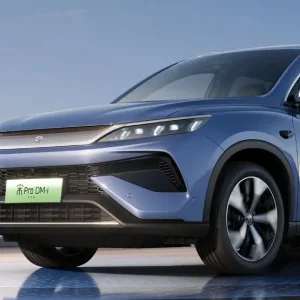
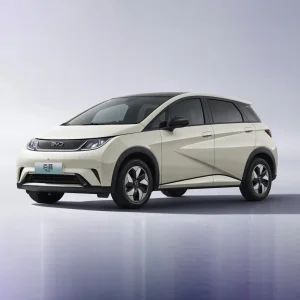
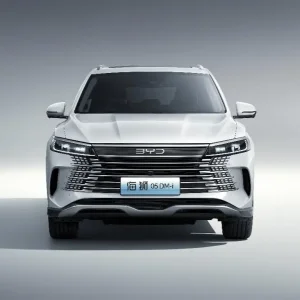
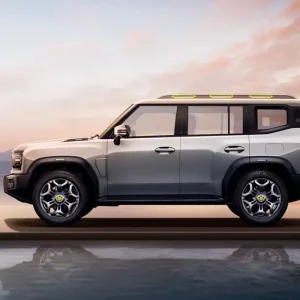
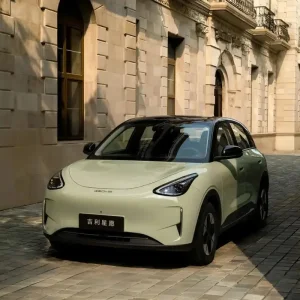
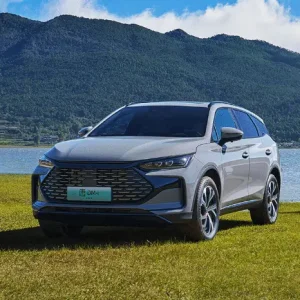
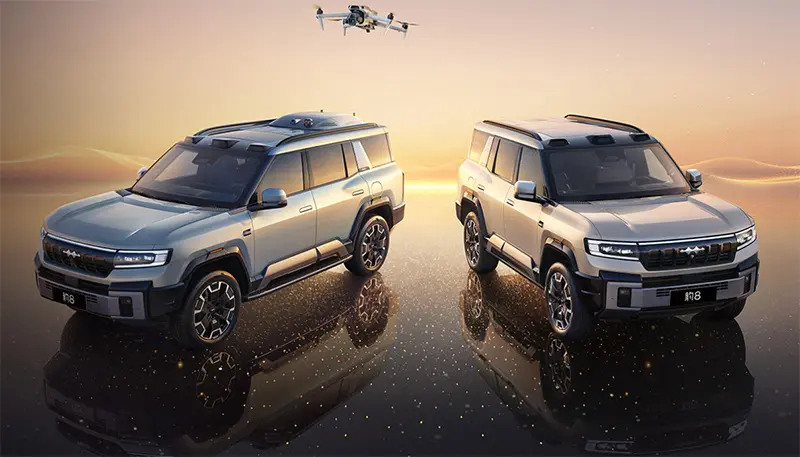
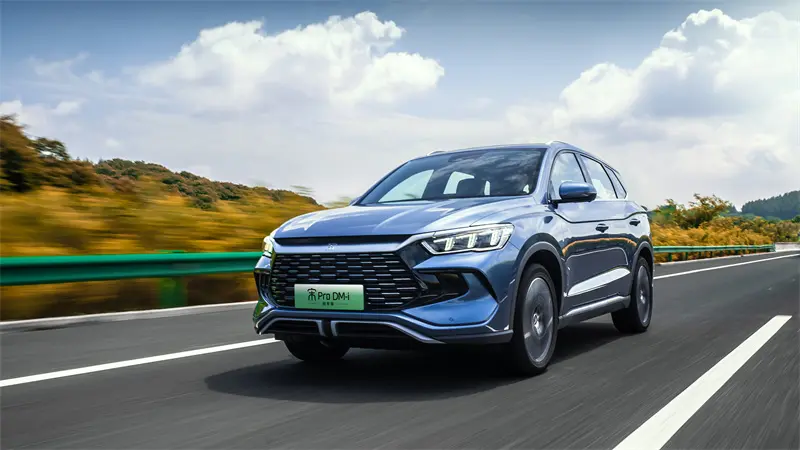
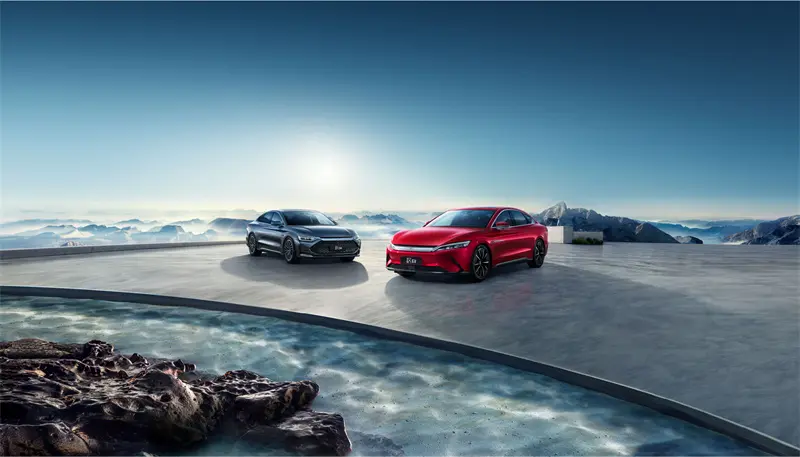
With authorization for major Chinese electric vehicle brands, Tianli provides direct access to diverse product lines. Our services cover everything from micro-EV passenger cars to long-range SUVs and light commercial vehicles, ensuring clients receive optimized configurations at competitive prices.
Fully licensed by the Ministry of Commerce of China, ensuring complete legal compliance.
Offering customizable payment terms and structured financing to support dealer margins.
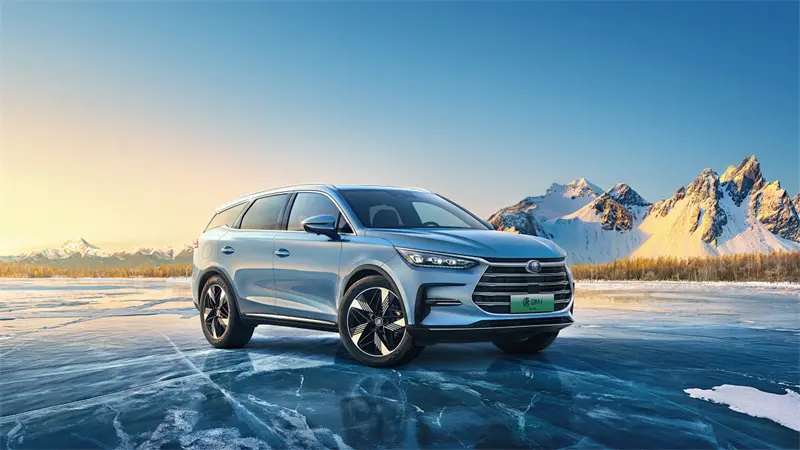
A key challenge in the parallel export of new energy vehicles is establishing consistent local support and ensuring compliance with destination market regulations. To address this, Tianli works with local service networks in our primary destination markets to provide spare parts access, vehicle diagnostic protocols, and technical training for partner technicians. This bridge helps importers maintain high service levels for their end customers.
On the regulatory front, we manage homologation requirements, including ADR for Australia, WVTA for Europe, and equivalent regional safety certifications. Every vehicle undergoes a standardized pre-shipment inspection (PSI) to verify battery health, firmware status, and mechanical alignment, ensuring it is ready for immediate operation upon delivery.
Connect with our logistics and technical teams for up-to-date quotes, vehicle availability, and custom logistics planning. We will contact you within 24 hours.
Answering key industry inquiries regarding parallel exports, range metrics, and logistical operations.
Explore our complete range of passenger cars, SUVs, and custom-ordered hybrid vehicles available for shipping.