 Tianli
Tianli
Tianli
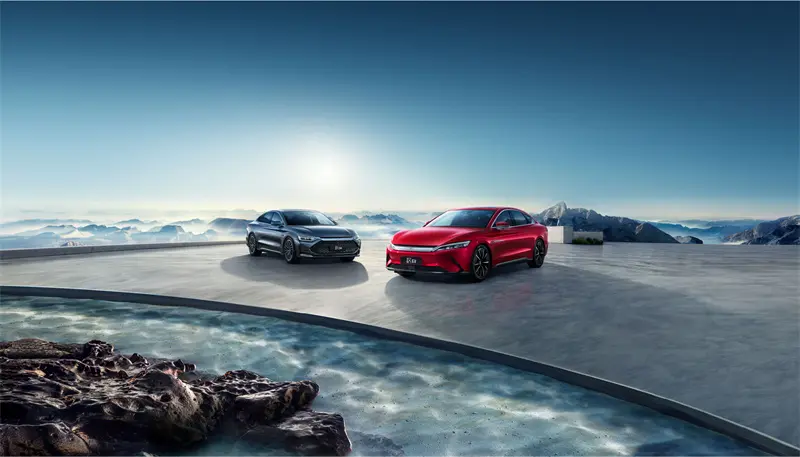
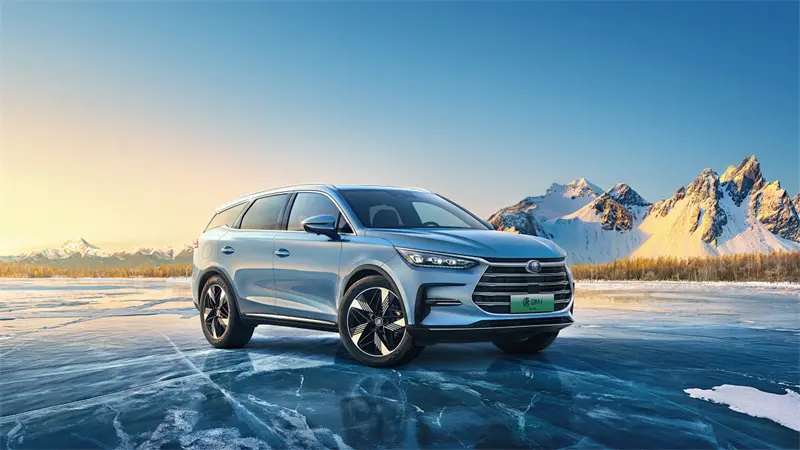
Explore our selection of top-performing electric vehicles, hybrid sedans, intelligence-equipped SUVs, and advanced low-altitude hardware sourced directly via certified domestic channels.
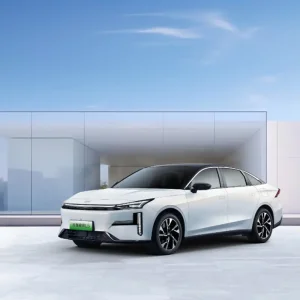
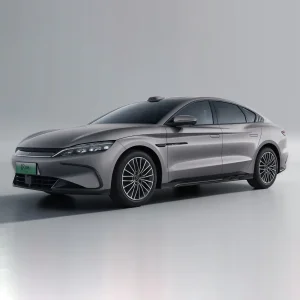
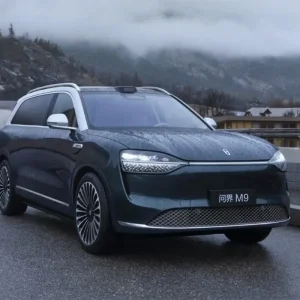
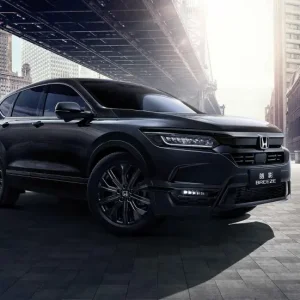
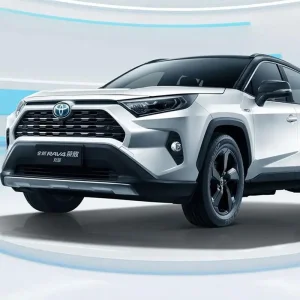
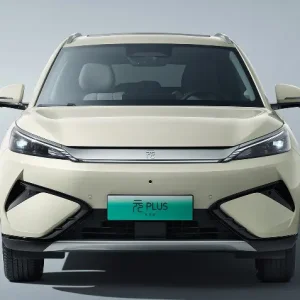
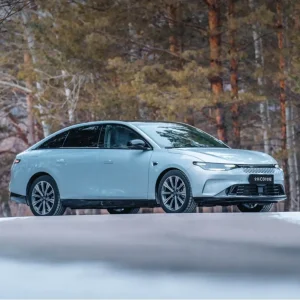
Micro-mobility and compact electric passenger cars represent the fastest-growing sector in urban transport decarbonization. Globally, municipalities and logistics providers are facing structural challenges: narrow city layouts, highly congested zones, and escalating fuel costs. In response, small EV cars—specifically those engineered within optimized global factories—have transitioned from local runabouts to central components of commercial fleet ecosystems.
This rapid shift is driven by strategic shifts in urban development: low-emission zones (LEZs), density-focused transportation plans, and last-mile commercial routing. Leading manufacturers are investing heavily in flexible skateboard architectures, low-weight aluminum alloys, and highly efficient electric transaxles to minimize structural bulk while maximizing active utility space.
The term "cheap" in modern automotive supply chains no longer implies compromised engineering. Instead, it signifies vertical integration and manufacturing efficiency. China's new energy vehicle hubs have consolidated raw materials sourcing, battery cell gigafactories, and key sub-assembly processes within single industrial zones.
By producing Lithium Iron Phosphate (LFP) cells next to vehicle assembly lines, Chinese factories eliminate long-distance logistics risks, lower structural battery costs, and maintain direct control over cell-to-pack (CTP) integration.
Advanced robotic welding, AI-driven optical inspection, and digital twin monitoring systems ensure that production speeds remain high while error rates are kept near zero, lowering per-unit production costs.
Many of China's leading small EV factories are situated in proximity to major coastal ports (such as Qingdao, Shanghai, and Ningbo), drastically reducing inland transportation costs and streamlining export routing.
Tianli International Trade Group is a comprehensive supply chain solutions provider. We specialize in end-to-end services for the automotive industry and are a leader in the research, development, and deployment of defense technologies for low-altitude unmanned aerial systems (UAS).
Our core operations focus on two key sectors:
Supported by strong technological foundations, international compliance certifications, and reliable operations.
Shandong Tianli International Trade is a leading Chinese parallel auto exporter. With 12 years of industry expertise, we offer a mature supply chain and competitive pricing, driving towards global leadership in automotive trade.
Access all vehicle models through a single supplier, eliminating the need to coordinate with multiple factories.
Our expert team handles procurement, export certification, quality inspection, and after-sales support.
Competitive pricing maximizes your margins and ensures viability in your local market.
Long-term collaborations with leading Chinese auto brands ensure stock availability.
A mature sourcing platform designed to enhance your end-customer service capabilities.
Diverse partnership models and payment options tailored to your local business processes.
With an export qualification certified by the Ministry of Commerce of China and authorized agency rights for key electric vehicle brands, we deliver structured solutions for commercial procurement.
We provide professional product promotion and sales services. Our team coordinates one-stop purchasing to save time and effort. Large-volume purchases qualify for discount structures, optimizing costs for dealers.
Our solutions cover new energy vehicles, electric freight tricycles, and unmanned aerial systems (UAS). We support customized configurations based on target market specifications, including drop-shipping services for special partners.
Our comprehensive logistics process simplifies documentation and clearance. With after-sales support networks and technical troubleshooting assistance, we work to protect your supply chain continuity.
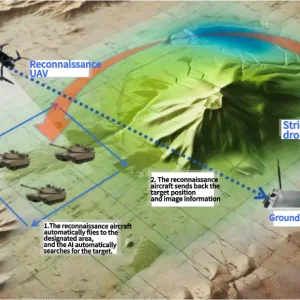
Experts in Low-Altitude Security Solutions. We specialize in counter-UAS defense and low-altitude security management, safeguarding critical storage infrastructure, shipping yards, and logistics terminals.
To build integrated security systems featuring multi-dimensional security management, smart industry applications, and coordinated defenses, supporting smart city development and low-altitude economies.
Unmanned Aerial System (UAS) Defense Platforms featuring integrated detection, neutralization, command & control systems, multi-function communication arrays, and mobile terminal security management platforms.
Partnering with top-tier security manufacturers to provide confidential hardware/software solutions, full lifecycle maintenance, and bespoke security systems for key operating areas.
With more than 10 years of experience in electric vehicle export, our models now cover sedans, SUVs, commercial vehicles and other types. In addition, abundant inventory and stable supply chain enable us to deliver at least 200 electric vehicles per month.
Tianli International Trade Group: One-stop supply chain services for the automotive industry.
Explore our targeted automotive divisions. We combine global logistics with zero-mileage vehicle sourcing to meet the requirements of retail networks and fleet buyers.
Custom logistics programs from inland vehicle yards to global destination ports.
Learn MorePure electric, range-extended, and plug-in hybrid drivetrain configurations.
Learn MoreQuality-inspected, unregistered vehicles ready for parallel import clearance.
Learn MoreEstablishing long-term distribution channels and regional after-sales support.
Learn MoreSmall electric vehicles are deployed across distinct commercial and consumer sectors globally:
"Urban Last-Mile Logistics: High-density urban zones benefit from small EV vans that handle final-mile distribution efficiently without occupying excessive road space."
"Corporate & Public Fleets: Municipalities and large enterprises utilize compact EVs for internal postal networks, facility maintenance, and localized employee transit."
"Daily Commuting: In regions with high fuel costs and tight parking layout patterns, compact models provide practical, low-maintenance urban mobility."
Importing electric vehicles requires navigating regulatory, logistical, and commercial standards. B2B buyers must coordinate multiple stages of the import process:
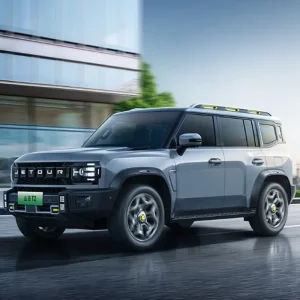
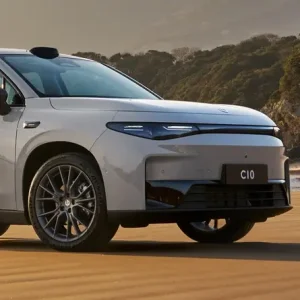
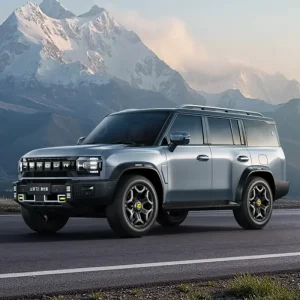
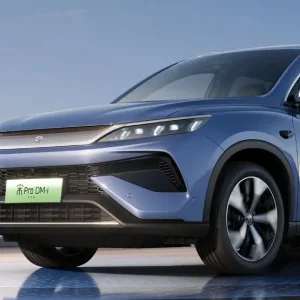
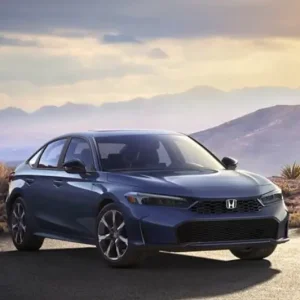
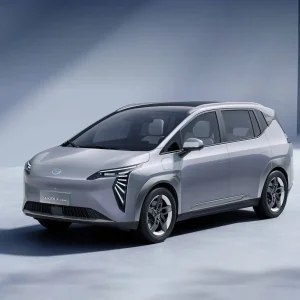
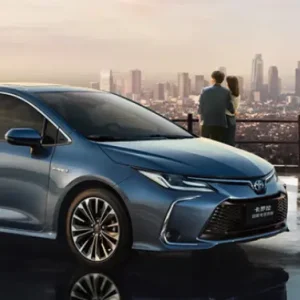
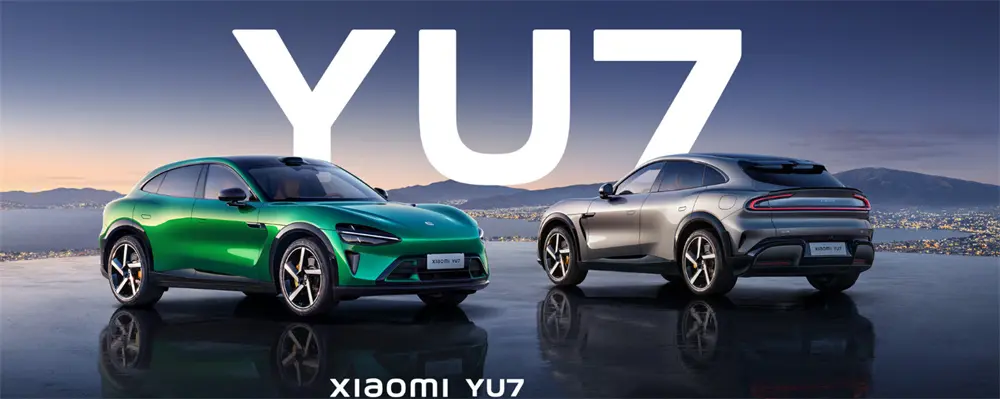
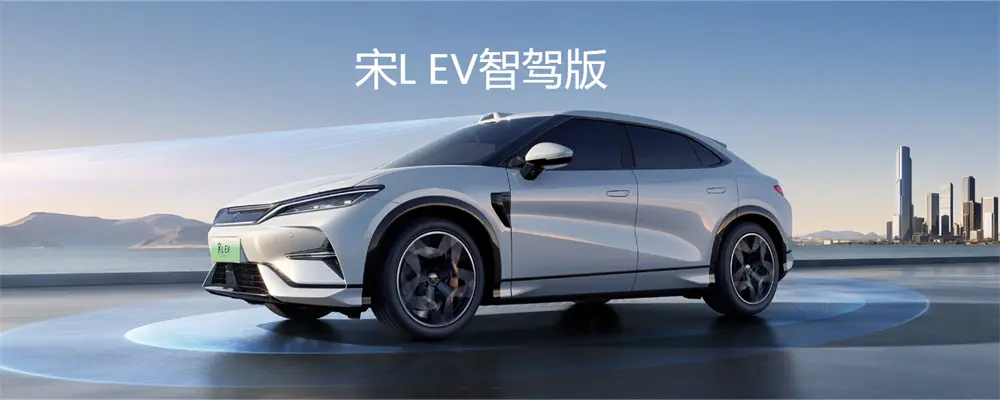
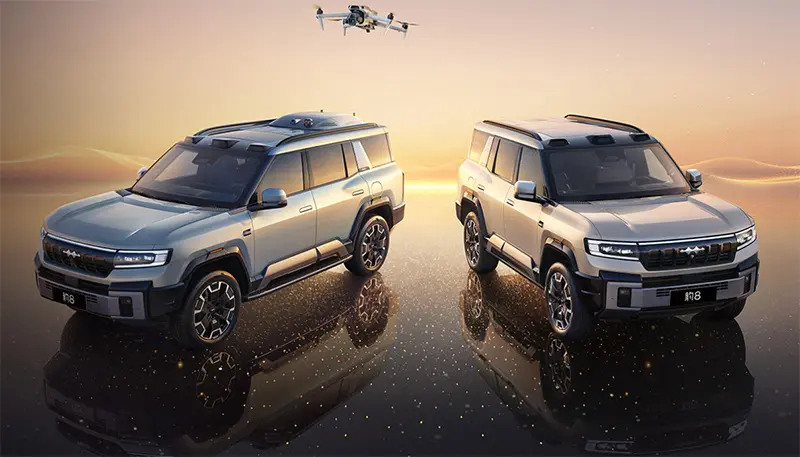
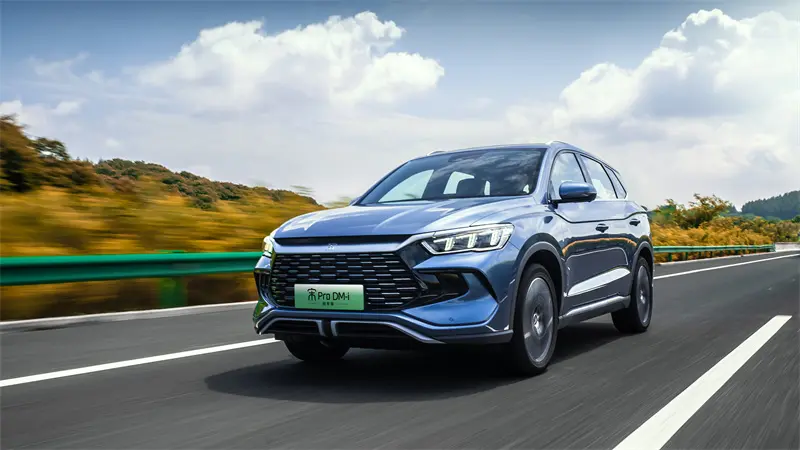
A selection of highly requested models, SUVs, and energy-efficient passenger cars from our export networks.
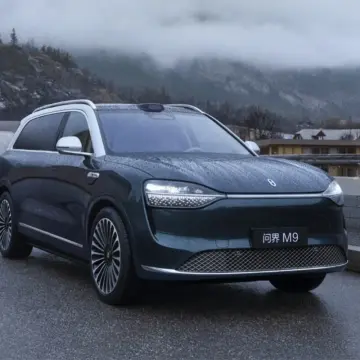
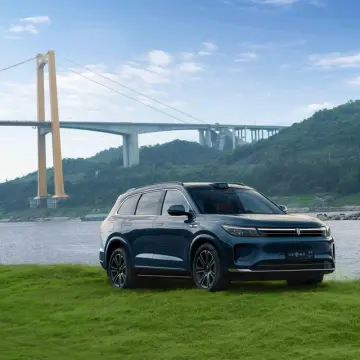
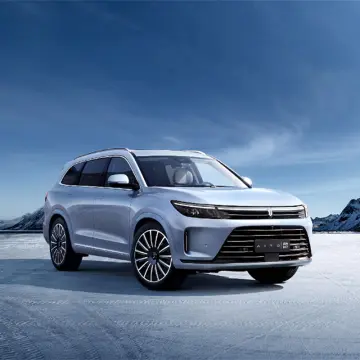
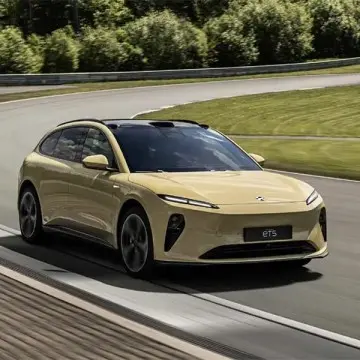
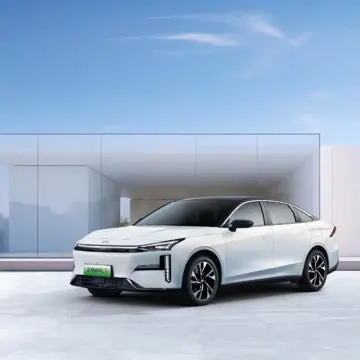
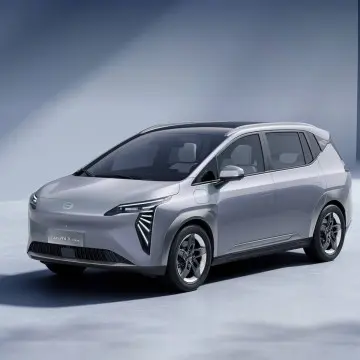
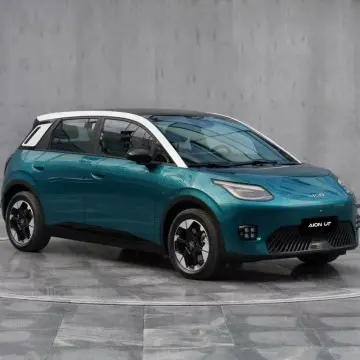
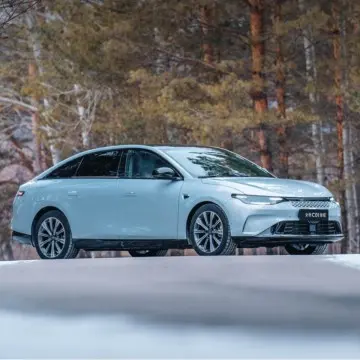
The micro-mobility industry is adopting new battery technologies, integrated charging systems, and smart fleet coordination platforms.
Sodium-ion technology offers improved low-temperature performance and a lower raw materials cost. Factories are incorporating sodium-ion modules into entry-level vehicles, mitigating lithium price volatility and improving cost stability.
Vehicle-to-Grid (V2G) tech allows small EV fleets to act as decentralized battery storage networks. During peak load periods, parked vehicles can discharge energy back to the grid, creating an additional utility option for operators.
Modern small EVs use centralized domain controllers rather than separate electronic control units. This simplifies vehicle wiring, reduces overall weight, and allows over-the-air (OTA) updates for battery management systems.
Common questions regarding regulatory standards, shipping options, and technical configurations.
Cost efficiency is achieved through geographical concentration and vertical integration. Batteries, drivetrain components, and structural frames are produced within close proximity, lowering transport and logistics costs. Automation rates in welding and assembly lines help maintain consistent build quality and minimize manual assembly errors, aligning with international regulatory requirements.
The necessary documentation includes export licenses, manufacturer certificates of origin (COO), commercial invoices, bills of lading, and custom declarations. Our export operations handle the verification of these documents, including clearance from Chinese commerce departments, to ensure compliant transport to destination ports.
Lithium-ion batteries are classified as Class 9 dangerous goods. Transport requires compliance with the International Maritime Dangerous Goods (IMDG) code. Vehicles are shipped either in specialized roll-on/roll-off (RoRo) vessels or secured in containers with active monitoring, state-of-charge tracking, and compliant thermal insulation.
Automotive storage yards and shipping hubs cover large open spaces containing high-value inventory. Protecting these areas from unauthorized drone surveillance and operational disruptions requires active defense systems. Integrating UAS detection and neutralization platforms helps secure logistics yards and transit terminals from aerial security risks.
Lithium Iron Phosphate (LFP) batteries do not use cobalt, offering a lower cost per kilowatt-hour and higher thermal stability. This makes them a common choice for cost-effective vehicles. Nickel Manganese Cobalt (NMC) batteries provide higher energy density, which translates to a longer driving range, but come at a higher cost and require more complex thermal management systems.
For inquiries about inventory, specifications, or regional compliance certificates, please contact our export specialists. We will provide detailed estimates and verification terms within 24 hours.
View further listings of passenger models, hybrid sedans, and specialized low-altitude equipment available through our distribution network.