 Tianli
Tianli
Tianli
Connecting automotive supply chains, new energy components, and commercial drone platform hardware.





Unlocking intelligence at the edge. A comprehensive overview of how next-generation drone controllers are revolutionizing commercial operations and global supply networks.
The global Unmanned Aerial Systems (UAS) industry is undergoing a paradigm shift. Flight controllers, once basic stabilization processors, have evolved into decentralized edge computing hubs. Modern industrial and military UAS platforms depend on high-security RF links, real-time sensor fusion algorithms (RTK GPS, LiDAR, and obstacle avoidance radar), and complex power management pipelines. As international demand for intelligent distribution systems surges, sourcing robust drone controller products at competitive wholesale prices becomes a critical bottleneck for system integrators.
At Tianli International Trade Group, we integrate over a decade of high-tier supply chain experience with advanced technical R&D. By linking precision electronic sourcing with macro-industrial distribution pipelines, we deliver both low-altitude defense platforms and next-generation flight controllers. This hybrid perspective equips us with the analytical depth required to navigate complex global shipping standards, compliance frameworks, and component sourcing environments.
From microcontrollers to heterogenous computing boards—discover the technical architecture driving modern telemetry and avionics.
Modern industrial flight systems rely on high-reliability MCUs like the STM32H7 series or high-performance FPGA chips. These processors run Real-Time Operating Systems (RTOS) to manage sensor readings, motor actuation commands, and diagnostic logs with zero latency jitter.
High-end controllers utilize spread spectrum technologies (FHSS/DSSS) and low-latency digital transmission protocols like ELRS (ExpressLRS) or long-range digital pipelines. Maintaining robust connection integrity over 10km+ ranges is a key performance benchmark.
To operate safely in high electromagnetic interference (EMI) zones, modern industrial controllers deploy triple-redundant IMUs (Inertial Measurement Units) coupled with active vibration damping. If one sensor fails, the fusion algorithm swaps instantly to avoid system crashes.
Legacy boards used single gyroscopes and 8-bit processors. Flight paths relied on direct line-of-sight RC transmitter control with no onboard intelligent decision-making logic.
Widespread deployment of 32-bit architecture, multi-constellation GPS (GNSS), optical flow sensors, and telemetry feedback. Allows pre-programmed waypoint routes and semi-autonomous industrial surveys.
Real-time onboard edge computing paired with visual SLAM (Simultaneous Localization and Mapping). Enables autonomous operations in GPS-denied environments and coordinated swarm behavior for defense and agricultural workflows.
Leveraging massive infrastructure, certified patents, and multi-sector supply chains to support global enterprises.
Deploying specialized drone controllers to meet complex operational challenges across varying terrains and regulatory environments.
Agricultural operations require high-torque motor management and specialized algorithms to handle liquid payload shifts. Flight controllers in this segment integrate terrain-following radar and liquid flow-rate adjusters. These systems scale spray volumes dynamically based on real-time flight velocity, reducing wastage and chemical run-off.
| Operational Challenge | Controller Solution |
|---|---|
| Payload center-of-gravity shifts during liquid discharge. | Dynamic center of mass recalibration and adaptive PID loop control. |
| Corrosive chemical and dust exposure. | IP67 rated, fully sealed physical enclosures with waterproof connectors. |
Operating near high-voltage power lines exposes onboard avionics to strong electromagnetic interference (EMI). Standard consumer drone controllers often suffer compass failures or sensor disconnects under these conditions. Industrial controllers feature Faraday-cage shielding and rely on RTK optical-visual positioning to ensure flight safety.
| Operational Challenge | Controller Solution |
|---|---|
| Compass lockouts and sensor drift from EMI. | Differential GPS configurations (Dual-RTK antennas) & optical positioning. |
| Beyond Visual Line of Sight (BVLOS) control. | Onboard 4G/5G fail-safes and automated flight path planning. |
Strategic synergy across industrial automation, low-altitude defense networks, and global transport supply chains.
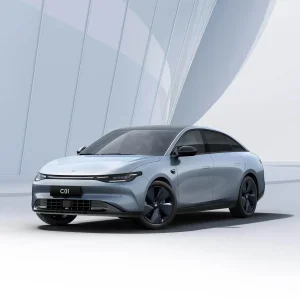
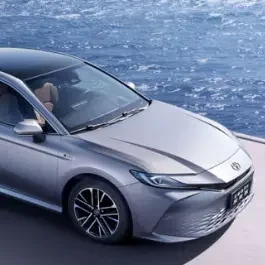
Tianli International Trade Group operates at the intersection of modern transport and automation. While our automotive division secures stable global supply lines for new energy vehicles (NEVs) and parallel automobile exports, our specialized low-altitude security division focuses on defense drone countermeasure systems. This unique dual capability allows us to leverage high-volume component sourcing, bringing down costs for advanced controller elements.
We specialize in providing right-sized UAS detection and countermeasure platforms. These configurations help commercial operators, infrastructure managers, and municipal entities protect airspace boundaries. From localized signal jammer integration to complete multi-sensor command and control networks, we help clients identify and deploy defense assets tailored to their unique environments.
Comprehensive counter-UAS platforms designed to safeguard industrial perimeters, airports, and public events.
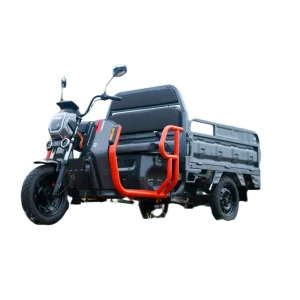
R&D, manufacturing, and global export of electric three-wheel vehicles alongside comprehensive NEV supply lines.
A single strategic partner to manage vehicle export certifications, quality inspections, and industrial hardware procurement.
Answers to technical, commercial, and regulatory questions for global buyers, distributors, and systems integrators.
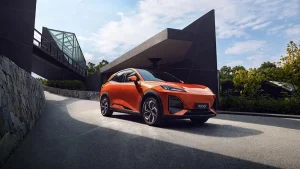
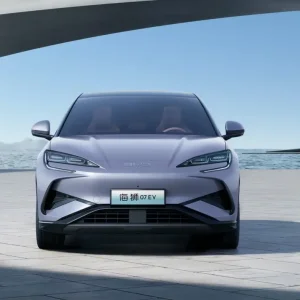
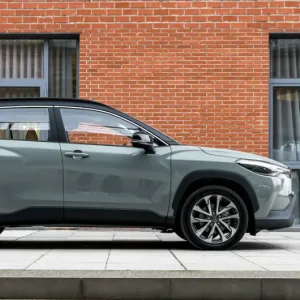
Comprehensive procurement options covering heavy-duty electric transports and new energy passenger vehicles.


Request data sheets, customized firmware designs, or fleet pricing. Our engineering team is ready to assist.