 Tianli
Tianli
Tianli
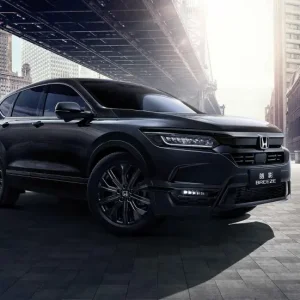
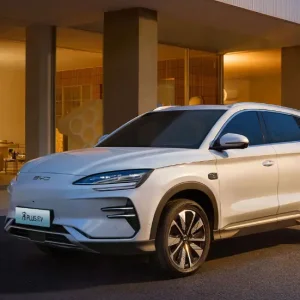
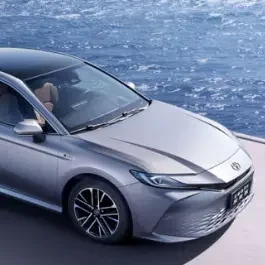
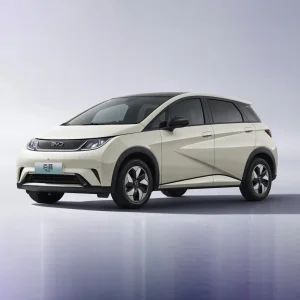
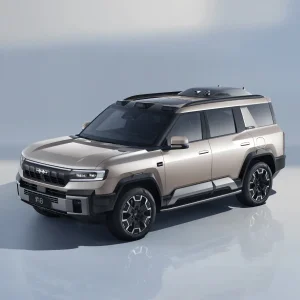
Explore our selected range of new energy vehicles, high-performance hybrids, and specialized technology assets.
As the international logistics and mobility framework undergoes a paradigm shift toward sustainability, hybrid wagons have emerged as the standard for fleets seeking low-emission, aerodynamic efficiency, and practical utility. Wagons naturally present a lower aerodynamic drag coefficient (Cd 0.24-0.28) compared to conventional SUVs, directly optimizing battery performance and thermal control systems. For original equipment manufacturers (OEMs), distributors, and automotive trade consortia, selecting the right partner in the hybrid wagon supply chain is critical to capturing the high-value commercial and consumer segments.
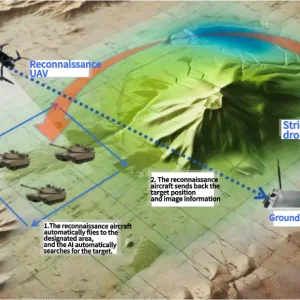
Tianli International Trade Group is a comprehensive supply chain solutions provider specializing in end-to-end services for the global automotive industry. We are also a leader in the development and deployment of defense technologies for low-altitude unmanned aerial systems (UAS), enabling clients to maintain perimeter security and operational control at advanced logistics hubs.
With an export qualification certified by the Ministry of Commerce of China and authorized agency rights for major automotive brands, we deliver custom logistics solutions, parallel auto exports, brand partnerships, and comprehensive customs clearance support. In the new energy space, we are dedicated to green transport, including plug-in hybrid electric vehicles (PHEVs), battery electric vehicles (BEVs), and specialty low-altitude security platforms.
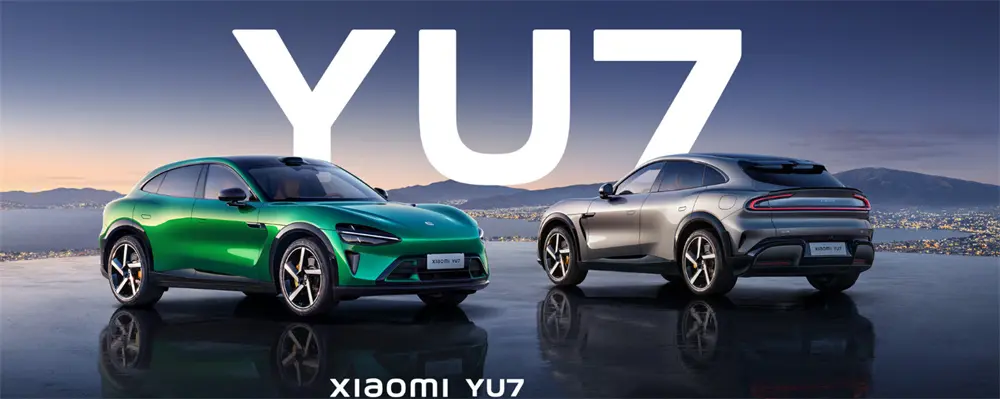
The manufacturing and sourcing of hybrid wagons are heavily clustered within technology corridors across China, the European Union, and Japan. The European market, historically the largest consumer of estate cars (wagons), is actively phasing out diesel drivetrains. This regulatory pressure has forced fleet buyers to opt for Plug-in Hybrid (PHEV) and Full Hybrid (HEV) wagon alternatives. Wagons are favored for executive transport, police fleets, and rapid-response healthcare units due to their combination of sedan-like handling and high load capacities.
By keeping a lower profile than an SUV, hybrid wagons drag less through the air. This preserves battery life at high speeds, extending pure-electric ranges by up to 22% in mixed highway driving.
Engineered with heavy-duty multilink rear suspensions, hybrid wagons are uniquely suited for carrying commercial tools, light freight, or luxury luggage without sagging or compromising electronic stability systems.
Hybrid setups safeguard commercial vehicles against cold climates and charging infrastructure deserts, ensuring constant operational availability for mission-critical applications.
Modern OEM wagon development is characterized by the evolution of Dedicated Hybrid Transmissions (DHT) and high-voltage electrical architectures. As systems scale from 48V mild-hybrids to 800V high-voltage plug-in networks, suppliers are implementing active chassis systems to handle the distribution of battery mass. Here is a technical breakdown comparing current systems with next-generation platforms:
| Architecture Feature | Generation 1 & 2 (Conventional HEV) | Next-Generation (High-Performance PHEV Wagon) | Industrial Value Prospect |
|---|---|---|---|
| Battery Chemistry | Nickel-Metal Hydride / Standard LFP | High-Density Solid-State & Silicon-Carbon Anodes | Up to 150 km pure EV range on a single charge |
| Transmission Architecture | Power-Split e-CVT | Multi-Mode DHT (3-Speed Gear Integration) | Better high-speed torque and highway fuel economy |
| Charging Capability | No external charging (regenerative only) | Ultra-fast DC Charging (80% in 15 minutes) | Minimizes commercial downtime in urban logistics |
| Chassis & Mass Control | Standard steel-spring suspension | Adaptive Smart Air-Suspension (Load Compensating) | Ensures high-capacity payloads do not affect battery ground clearance |
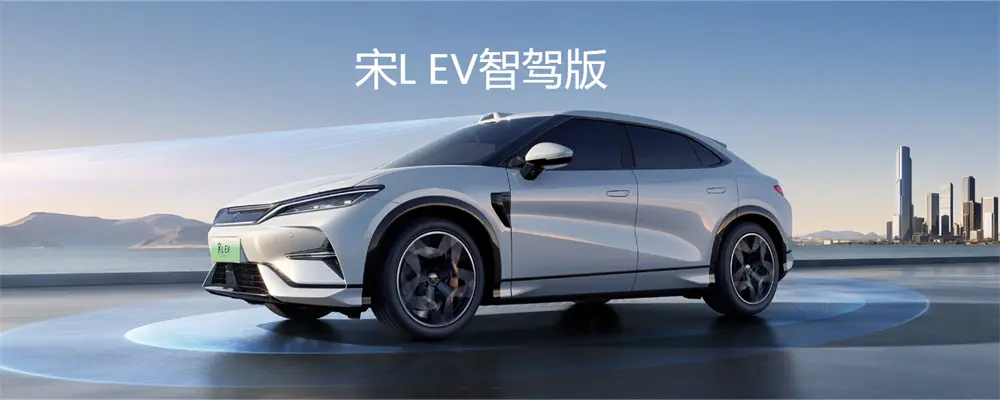
The convergence of passenger transit and regional freight has driven demand for hybrid wagons that interface directly with smart grids and depot dispatch systems. By implementing V2G (Vehicle-to-Grid) and V2L (Vehicle-to-Load) capabilities, next-generation hybrid wagons act as mobile power sources. This is highly useful for engineering teams, field technicians, and emergency medical operations.
Tianli secures direct-from-factory allocations of China’s leading hybrid models, bypassing intermediate markups. This translates to cost-efficiency and localized configuration adjustments for our overseas B2B buyers.
Through our comprehensive supply chain network, Tianli bridges Chinese automotive innovation with global infrastructure requirements. Our operational capability spans zero-mileage vehicle sourcing, custom parts packages, and low-altitude security defense systems.
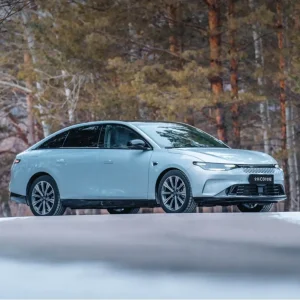
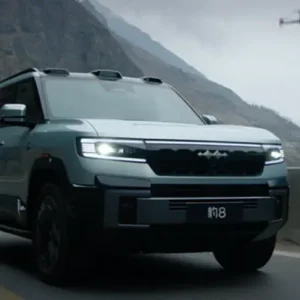
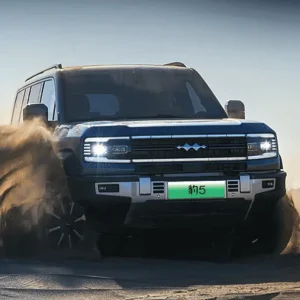
Tianli manages a multi-brand vehicle export program that ranges from passenger sedans and SUVs to specialized hybrid wagons, commercial electric haulers, and low-altitude security systems.
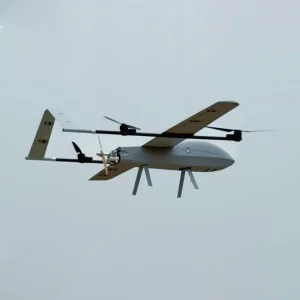
Additionally, we specialize in high-technology integrations such as Unmanned Aerial System (UAS) detection and neutralization platforms. Our security clients rely on us to secure transit yards, automotive storage terminals, and sensitive national infrastructure from unmanned aerial threats.
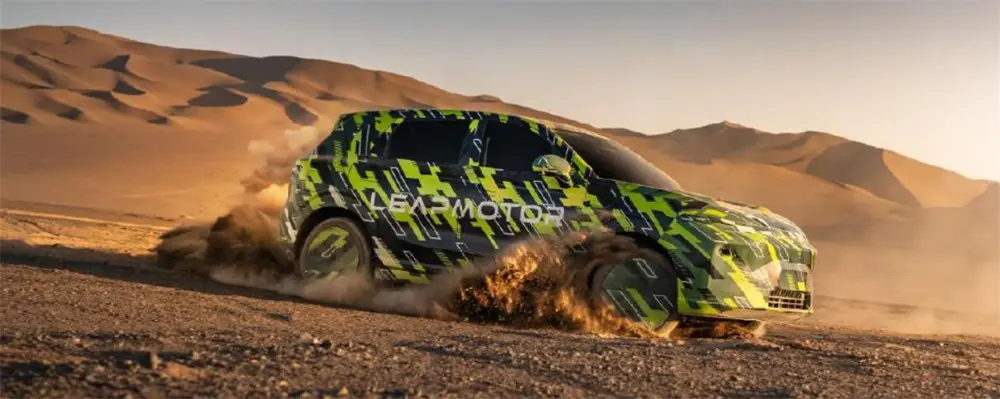
For B2B customers, importing vehicle fleets is an intricate process requiring robust regulatory compliance, strict quality controls, and resilient logistics pathways. Tianli International Trade Group operates as a single-point integrator, managing the entire lifecycle of the import/export pathway.
Access multiple brands and vehicle types under one contract. We source directly from Chinese auto brands, optimizing your administrative overhead and lowering acquisition costs.
We manage parallel export certification, vehicle testing, quality control reports, container/Ro-Ro booking, customs declarations, and destination port clearance support.
Our specialized defense division supplies modular UAS jamming, radar tracking, and radio-frequency spoofing suites to safeguard high-value automotive shipping depots and manufacturing centers.
A smart alternative for cost-sensitive markets, zero-mileage vehicles are factory-surplus units exported under specialized trade programs. This provides B2B buyers with brand-new vehicles at pre-owned export tax rates, protecting profit margins without sacrificing quality.
We ship at least 200 electric and hybrid vehicles per month, maintaining a stable reserve of parts and units ready for dispatch.
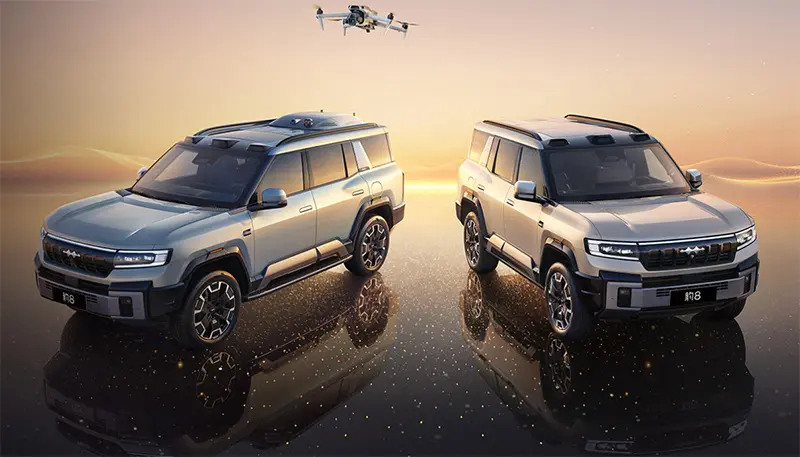
Understanding user intent and operational reality is essential to choosing the right vehicle class. Hybrid wagons fill specific, high-demand roles that standard hatchbacks, sedans, and SUVs cannot satisfy:
Premium hybrid wagons present a professional, clean image. Their aerodynamic profile delivers a quieter cabin, and lower fuel consumption translates directly to a lower total cost of ownership (TCO).
With flat-folding seats and lower loading heights than SUVs, hybrid wagons reduce physical strain on workers. They easily carry heavy payloads through narrow, low-emission urban centers using pure-electric mode.
Wagons offer the stability of passenger cars at high speeds while carrying medical gear or police equipment. Hybrid setups ensure auxiliary equipment runs off the high-capacity traction battery without idling the engine.
Perfect for hotel transfers and regional tour providers. The combination of passenger luxury and rear cargo volume handles heavy luggage while keeping operating costs low.
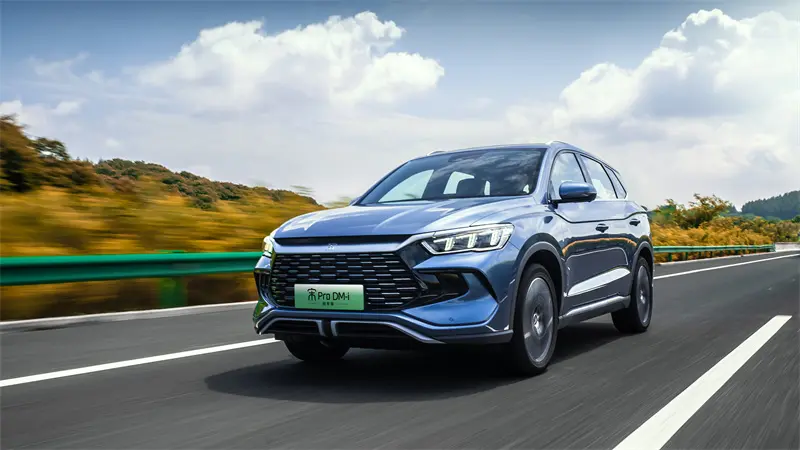
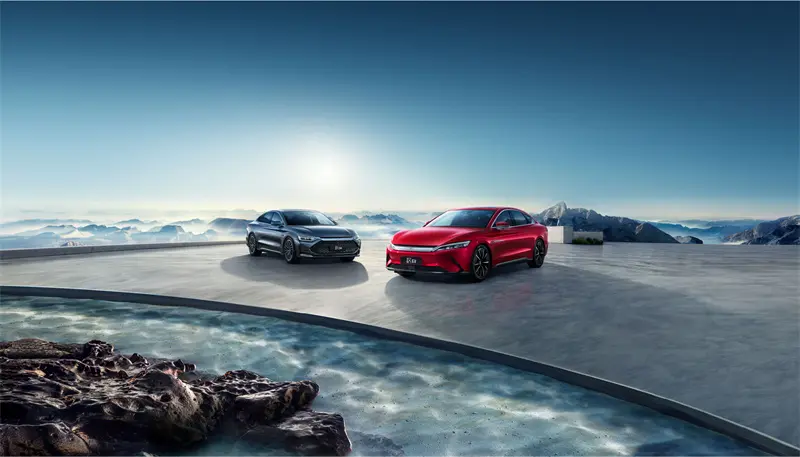
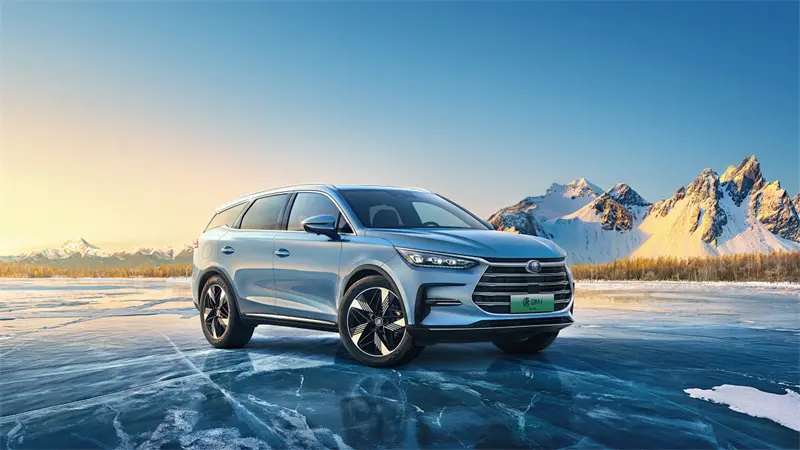
For inquiries regarding our available stock, fleet pricing, customs clearances, or customized low-altitude security integrations, contact our B2B sales team today. We provide solutions that keep your business moving securely and efficiently.
Connect with Shandong Tianli International Trade to request full specification sheets and wholesale export price lists.
Gain deep operational and logistical insights through our expert-compiled Q&A resource, addressing key compliance, technical, and trade factors.
PHEV wagons carry both high-voltage traction battery packs and internal combustion engines, meaning they fall under hybrid customs codes (typically HS Code 8703). Exporters must provide certification for both the battery chemistry (safety compliance, MSDS certificates) and engine emissions levels (such as Euro VI or GB18352 standards). BEVs, conversely, do not require emissions certifications but face tighter controls regarding maritime battery hazard regulations. Tianli manages these compliance checks at the source, handling certifications for both powertrain elements to prevent import delays.
The primary advantage is aerodynamics. Wagons have a lower frontal area, which reduces aerodynamic drag at highway speeds. This translates to lower fuel consumption and a longer battery range. Furthermore, the lower center of gravity improves highway stability and safety in adverse weather conditions. From a cost-to-benefit perspective, wagons offer equivalent cargo space to medium SUVs while maintaining sedan-like maintenance costs and fuel economy.
Every vehicle sourced by Tianli goes through a strict 120-point inspection before shipment. This includes battery state-of-health (SoH) diagnostics, firmware checks, paint thickness audits, fluid level validation, and test runs on our specialized tracks. Since these are zero-mileage vehicles stored at manufacturing hubs, we ensure all components are preserved, and batteries are kept at optimal storage charge levels (40-60%) to prevent degradation during transport.
Large automotive storage yards and port staging grounds hold millions of dollars in vehicle assets. The rise of industrial espionage, aerial scouting, and coordinate-mapping via low-altitude drones introduces security risks. By integrating detection (radar, radio frequency scanner) and countermeasure (directional jammer) systems, logistics managers can protect these staging areas. Tianli helps build a complete security net, shielding import/export centers from drone-based threats.
Yes. Chinese hybrid vehicles are native to the GB/T charging standard. However, for B2B fleet orders, we supply verified, certified converters, or coordinate with factory engineering teams to provide CCS2 (European standard) or J1772 (North American standard) adapters. This ensures imported hybrid fleets plug into local grid infrastructure without voiding onboard vehicle management systems.
A DHT integrates two electric motors (typically one generator and one traction motor) with a multi-speed gear system (usually 2 or 3 speeds). At low speeds, the system runs in series, where the engine spins the generator to create electricity for the electric motor. At high speeds, the clutch engages, locking the engine into direct mechanical drive to run the wheels efficiently. This setup reduces transmission losses and optimizes efficiency across all speed ranges.
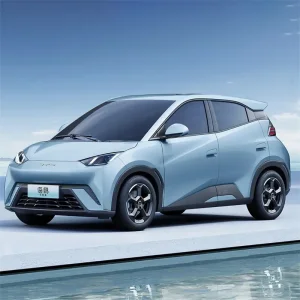
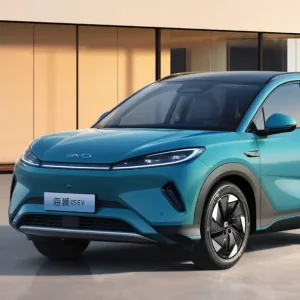
Browse our expanded portfolio of pure electric city hatchbacks, plug-in SUVs, and special defense systems.