Electric Tricycle Companies & Products in the Nagoya Market

A Comprehensive Industry Whitepaper on Last-Mile Logistics Electrification, Supply Chain Innovation, and Global Procurement Trends

Send Inquiry Now
12+
Years Expertise
Leading parallel automotive trade & electric fleet systems
30+
Invention Patents
Secured by our unified heavy manufacturing ecosystem
40+
Global Countries
Export operations with specialized Japanese compliance setups
10,000㎡
Factory Space
Industry 4.0 optimized manufacturing & distribution base

Featured Nagoya Market E-Tricycle Adaptations

Engineered for high density city freight, customs corridors, and heavy industrial integration across Nagoya Port and the Chubu manufacturing district.
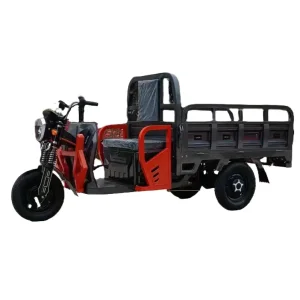
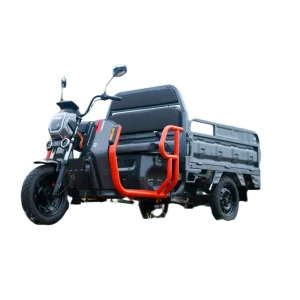
High-Quality 1.5M Electric Tricycle (Nagoya Logistics Spec)

High-Quality 1.5M Electric Tricycle (Nagoya Logistics Spec)

View Technical Specs
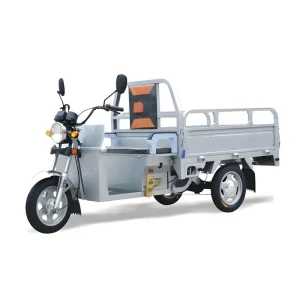
Cheap 1.6M Electric Tricycle (Nagoya Eco-Delivery Spec)

Cheap 1.6M Electric Tricycle (Nagoya Eco-Delivery Spec)

View Technical Specs
ODM 1.8M Electric Tricycle (Heavy-Duty Nagoya Cargo Version)

ODM 1.8M Electric Tricycle (Heavy-Duty Nagoya Cargo Version)

View Technical Specs
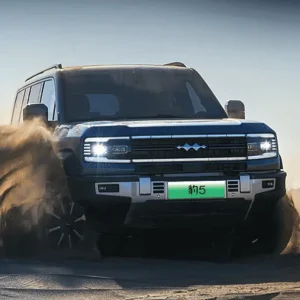
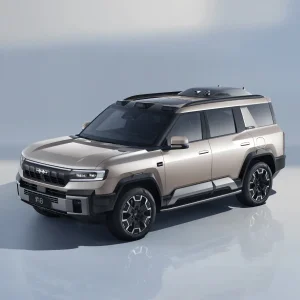
Best Formula Leopard 5 (Nagoya Urban Off-Road Electric Utility Vehicle)

Best Formula Leopard 5 (Nagoya Urban Off-Road Electric Utility Vehicle)

View Technical Specs

1. The Nagoya Industrial Landscape & Last-Mile Electrification Paradigm

Nagoya, positioned as the heart of Japan's Aichi Prefecture, stands as one of the most prominent manufacturing and logistics centers in the Asia-Pacific. Historically anchored by heavyweight automotive enterprises and maritime shipping hubs, the Chubu economic corridor is undergoing a critical transformation. Amid tightening carbon reduction policies, localized road width constraints, and a chronic shortage of commercial logistics drivers, the implementation of Electric Tricycles (E-Trikes) and light electric utility vehicles has shifted from a novelty to an operational imperative.

Unlike Western cities, Nagoya's metropolitan design relies on dense, low-emission distribution zones, such as the commercial streets of Sakae and the complex port alleys. Heavy diesel trucks face massive physical and regulatory friction when attempting to navigate these micro-corridors. E-trikes serve as the optimal intermediary, combining the load capacity of small utility vehicles with the agility, low parking footprint, and zero tailpipe emissions of light cycles.

Localized Operational Adaptability

By aligning vehicle width to 1.5M - 1.8M and utilizing state-of-the-art modular battery platforms, industrial operations in Nagoya achieve maximum workflow integration. The introduction of optimized cargo space ensures these vehicles can carry heavy mechanical components, e-commerce packages, or refrigerated fresh goods from local hubs directly to manufacturing lines or residential structures without parking violations or emissions fines.
Tianli Assembly Excellence

2. Sourcing Requirements: Aligning with Global Quality Metrics & Japanese Law

Procurement teams from Nagoya and international enterprises face a challenging regulatory environment. Vehicles imported for corporate fleet use must satisfy strict criteria:

  • Japanese Road Traffic Law Compliance: Dimensions, maximum speeds, power outputs, and safety braking distances must fit defined parameters for micro-mobility or small-sized motor vehicles.
  • High-Efficiency Powertrains: Reliable electric motor configurations ranging from 1.0kW up to heavy-duty industrial outputs to handle sloped urban gradients around the Chubu highlands.
  • Lithium-Iron Phosphate (LiFePO4) Dominance: Demands for fire-retardant chemistry, high thermal stability, and integrated Battery Management Systems (BMS) to meet strict fire-safety guidelines in Japan.

These constraints require close partnership with experienced parallel automotive exporters and engineering groups capable of providing customized structural and electrical alterations.

3. Chinese Industry 4.0: Supply Chain Resilience & Customization Scale

The efficiency of Chinese manufacturing plays a vital role in global electric cargo vehicle adoption. As a premier automotive supply chain partner, Tianli International Trade Group utilizes advanced smart manufacturing infrastructure to secure global supply chains.

Our manufacturing base is driven by three core pillars:
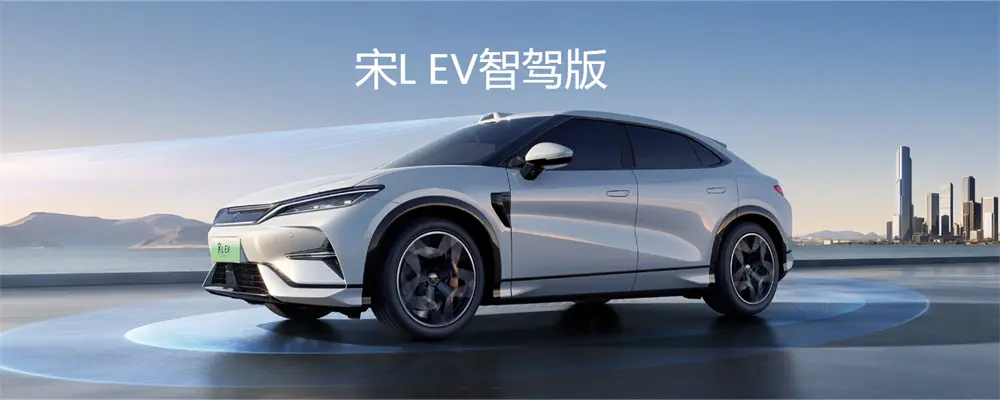
  1. Production Precision: Automated robotic welding, high-durability anti-corrosion chassis dipping, and digital load stress modeling to withstand tough commercial environments.
  2. Integrated Component Sourcing: Direct agreements with first-tier lithium cell producers, control module developers, and heavy-duty drivetrain manufacturers to ensure stable component availability.
  3. Parallel Trade Capabilities: Smooth logistical connections between factories and Chinese trade ports, guaranteeing the rapid export of zero-mileage vehicles, light logistics platforms, and custom-configured e-trikes.
Tianli Smart Logistics Hub

Unified Supply Logistics

By leveraging our parallel export licensing and strong factory partnerships, we deliver consistent supplies of newly manufactured electric vehicles and bespoke cargo tricycles directly to the Japanese market, helping commercial fleets maintain their operations without interruption.

4. Global Convergence: Multi-Domain Transport & Security Engineering

Today's logistical ecosystems are evolving beyond standard road transport. Fleet operators increasingly seek integrated solutions that combine ground vehicles with advanced technology systems.

To meet these needs, Tianli delivers multi-domain capabilities:

  • Unmanned Aerial Systems (UAS) Partnerships: Combining light cargo vehicles with drone platforms for hybrid transport solutions in isolated industrial complexes and port zones.
  • Integrated Low-Altitude Security: Offering counter-UAS detection systems to secure warehouses and distribution hubs against emerging aerial threats.
  • Parallel EV Fleet Integration: A complete selection of electric sedans, commercial SUVs, and heavy-duty utility platforms, simplifying procurement processes through a single source.

5. Localized Application Scenarios Across Nagoya's Industrial Zones

To understand the real-world value of specialized electric tricycles, we examine three specific operational areas within the Greater Nagoya Area:

A. Nagoya Port Terminal & Bonded Warehouse Operations

As one of Japan's busiest trade hubs, Nagoya Port processes massive volumes of automotive assemblies and raw materials. Inside these large cargo areas, heavy combustion engines are prohibited due to emission hazards. E-trikes fitted with heavy-duty electric motors and flatbed configurations serve as high-efficiency, zero-emission transporters, quickly moving parts between customs depots and storage zones.

B. Last-Mile Commercial Delivery in Sakae & Osu Districts

Nagoya's commercial districts feature narrow, pedestrian-heavy shopping lanes. Deploying standard delivery vans in these areas leads to traffic issues, high parking fines, and route delays. Compact 1.5M and 1.6M electric tricycles easily navigate these spaces, parking directly alongside storefronts to deliver cargo without blocking pedestrian traffic or creating local emissions.

C. Just-in-Time Parts Distribution in Toyota City Industrial Areas

In manufacturing zones adjacent to Toyota City, factory floors depend on precise material flow. Electric tricycles with specialized cargo boxes transport sub-assemblies directly to assembly lines, maintaining efficient operations while reducing noise and carbon emissions inside the workspace.

80+
Patents & Certifications
Guaranteeing compliance and structural strength
200+
EV Units Monthly
High-volume export and delivery capacity
0
Tailpipe Emissions
Supporting corporate ESG goals
100%
Customized Service
Tailored modifications for Japanese roads

Complete Sourcing Directory for Nagoya Logistics & Transport

Explore our complete catalog of electric vehicles, utility platforms, and high-performance cargo tricycles optimized for Japanese operations.
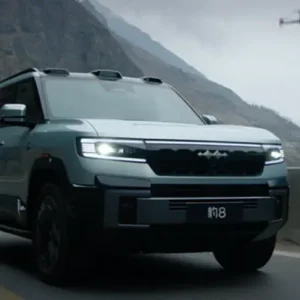
Buy Formula Leopard 8 (Nagoya Heavy Duty Utility Vehicle)

Buy Formula Leopard 8 (Nagoya Heavy Duty Utility Vehicle)

View Technical Specs
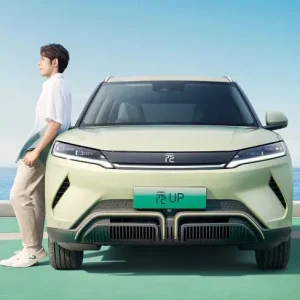
Discount Yuan UP (Nagoya Commuter Edition)

Discount Yuan UP (Nagoya Commuter Edition)

View Technical Specs
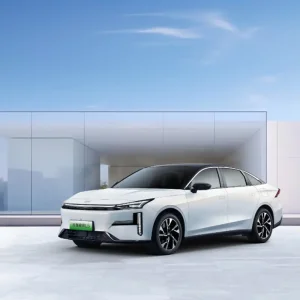
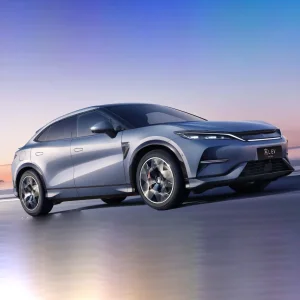
Buy Galaxy L6 (Nagoya Smart Fleet Sedan)

Buy Galaxy L6 (Nagoya Smart Fleet Sedan)

View Technical Specs
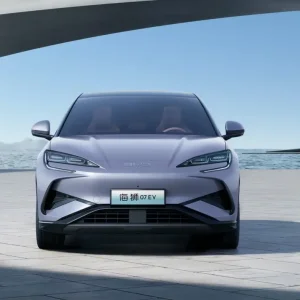
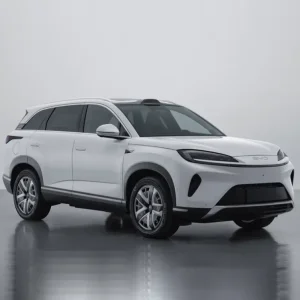
Discount BYD Sea Lion 07EV (Nagoya Express Logistics)

Discount BYD Sea Lion 07EV (Nagoya Express Logistics)

View Technical Specs
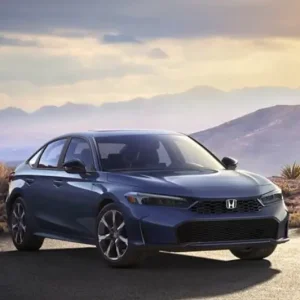
Best Honda Civic/Gasoline Company (Hybrid-Convertible Commercial Spec)

Best Honda Civic/Gasoline Company (Hybrid-Convertible Commercial Spec)

View Technical Specs
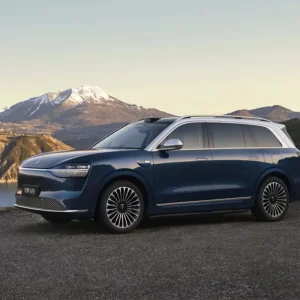
China 2025-AITO M9 / EREV / Five-seat (Nagoya Executive Shuttle)

China 2025-AITO M9 / EREV / Five-seat (Nagoya Executive Shuttle)

View Technical Specs
Best BYD Sea Lion 07DM (Nagoya Long-Range Patrol Fleet)

Best BYD Sea Lion 07DM (Nagoya Long-Range Patrol Fleet)

View Technical Specs
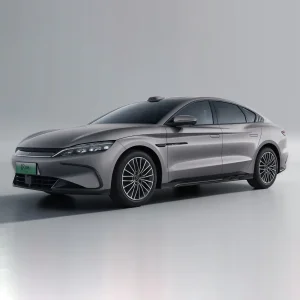
Wholesale BYD Han DM (Nagoya Corporate Mobility)

Wholesale BYD Han DM (Nagoya Corporate Mobility)

View Technical Specs
Wholesale Formula Leopard 8/Drone Version (Nagoya Survey Tech)

Wholesale Formula Leopard 8/Drone Version (Nagoya Survey Tech)

View Technical Specs
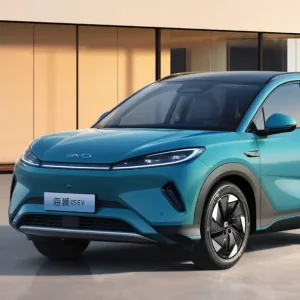
Discount 05EV 2025-Sea lion 05EV (Nagoya Green City Fleet)

Discount 05EV 2025-Sea lion 05EV (Nagoya Green City Fleet)

View Technical Specs
Custom Song L EV (Nagoya Autonomous Delivery Trial)

Custom Song L EV (Nagoya Autonomous Delivery Trial)

View Technical Specs
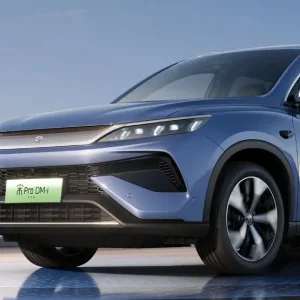
OEM Song Pro DM (Nagoya Mid-Size Logistics Utility)

OEM Song Pro DM (Nagoya Mid-Size Logistics Utility)

View Technical Specs

Frequently Asked Questions (FAQ)

Critical Sourcing Insights & Regulatory Parameters for Importing Electric Tricycles to Japan

Q: How do electric tricycles conform to Japan’s road traffic acts and micro-mobility regulations?
A: Electric cargo vehicles imported for use on public roads in Japan must comply with local classifications under the Road Vehicles Act. Depending on width (such as our 1.5M or 1.6M options) and motor wattage (typically under 1.0kW for light classes), they can be categorized as micro-mobility units or light motor vehicles. We customize speed restrictors and lighting layouts to ensure swift compliance with local Japanese standards.
Q: What are the key advantages of sourcing through a parallel trade group like Tianli?
A: Tianli provides a single sourcing channel for multiple Chinese EV brands alongside our custom manufacturing services. We coordinate quality checks, export certifications, safe lithium battery shipping, and complete custom documentation, which reduces the complications of dealing with multiple international suppliers.
Q: What cell chemistry is utilized in the battery packs, and how are they managed?
A: We utilize Lithium Iron Phosphate (LiFePO4) chemistry across our electric vehicle range. LiFePO4 cells offer superior thermal stability, minimized fire risk, and an extended life cycle of over 3,000 cycles at 80% depth of discharge. Each pack is governed by an intelligent Battery Management System (BMS) that monitors cellular balance, temperature variations, and overcurrent protections.
Q: Can these cargo platforms be modified for specialized industrial applications?
A: Yes. We offer customized production options (ODM and OEM services) to match specific operations, including refrigerated boxes for cold-chain transport, flatbeds for heavy cargo, or lockable high-volume compartments for urban logistics.
Q: What is the typical shipping timeline from Chinese production lines to the Port of Nagoya?
A: Standard manufacturing and adaptation runs take between 25 to 40 days depending on the customization requested. Maritime shipping from East Coast China ports directly to the Port of Nagoya takes approximately 5 to 9 days, offering a highly responsive supply cycle.