 Tianli
Accelerating Clean Transportation: Electric Tricycle Integration in Serbia
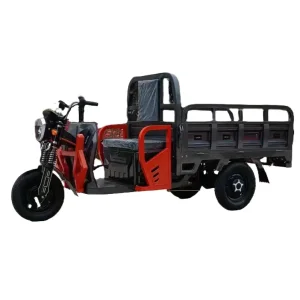
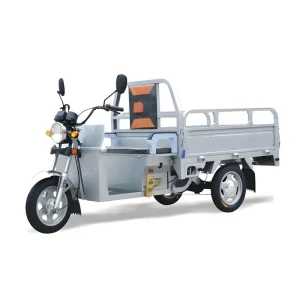
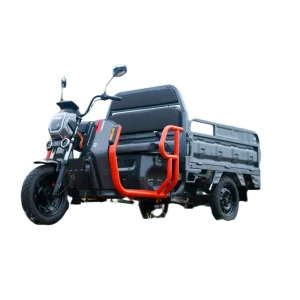
The transition toward zero-emission transportation within the Republic of Serbia represents a pivotal alignment with both domestic eco-restructuring goals and the broader European Green Deal frameworks. As cities like Belgrade, Novi Sad, and Niš look to optimize urban congestion, and agricultural regions like Vojvodina seek lower operational expenditures, the light electric utility vehicle (LEUV) market—specifically electric cargo tricycles—is experiencing unprecedented growth. This shift is catalyzed by the recent 2023–2024 China-Serbia Free Trade Agreement, which dramatically scales down tariff barriers, opening a streamlined gateway for world-class Chinese EV manufacturing technology into the Balkan region.
Serbia's Local Commercial & Industrial Infrastructure
Serbia's unique geographical positioning as the logistics hub of Southeast Europe dictates its transportation needs. In Belgrade, the historical layout of core commercial areas restricts large freight vehicles, creating a high demand for agile, low-width cargo carriers for last-mile distribution. At the same time, the vast agricultural flatlands of Vojvodina require localized, zero-pollution field-to-storage haulers that do not rely on expensive imported liquid fuels. These variables create a dual demand: robust heavy-load electric tricycles with integrated hydraulic-tip functions, and enclosed-box tricycles for secure urban postal deliveries.
Additionally, the Serbian energy strategy is shifting rapidly toward renewable power generation. Implementing high-efficiency battery fleets aligns with national grid modernization policies. Fleet operators utilizing LFP (Lithium Iron Phosphate) powered tricycles benefit from decentralized smart charging, leveraging Serbia's affordable overnight electricity rates to drive total operating costs down to a fraction of diesel or petrol equivalents.
Technical Deep-Dive: Battery Dynamics and Balkan Climatic Performance
For buyers in Serbia, local climate performance is a critical buying consideration. The Balkan winter presents distinct challenges for battery performance. Tianli's custom-engineered lithium-ion configurations feature integrated thermal management systems designed to limit temperature-induced range drop. By utilizing advanced Battery Management Systems (BMS), our electric tricycles operate efficiently at temperatures down to -15°C, ensuring consistent discharge metrics for postal delivery contracts and agricultural harvesting tasks in cold conditions.
Sino-Serbian Manufacturing Integration: The Tianli Advantage
Leveraging China's world-leading battery value chain and structural steel production, Shandong Tianli International Trade provides unparalleled custom engineering (ODM) capacity. Our vehicles undergo strict testing protocols including chassis stress analysis, rust protection via electrocoating (essential for winters where road salt is used in Serbia), and dual-circuit hydraulic brake setups to safely manage downhill grades in hilly southern regions like Šumadija.
Comprehensive Defense and Security Infrastructure Integration
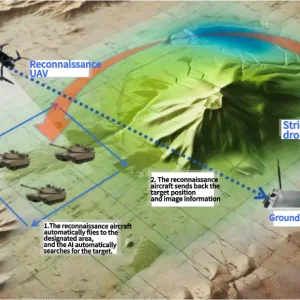
Beyond municipal vehicle exports, Tianli International Trade Group is a leader in low-altitude security. As logistics networks digitize, security shifts to the sky. Our unmanned aerial system (UAS) detection and countermeasure platforms provide integrated solutions to protect critical infrastructure, distribution hubs, and agricultural assets from emerging low-altitude threats. We offer a comprehensive approach to modern regional logistics safety by combining low-emission land transport with active air security systems.