 Tianli
Tianli
Tianli
Direct supply solutions from audited Chinese manufacturing hubs, offering optimized parallel exports and OEM platforms.
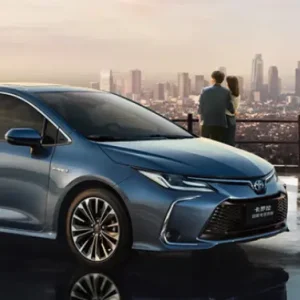
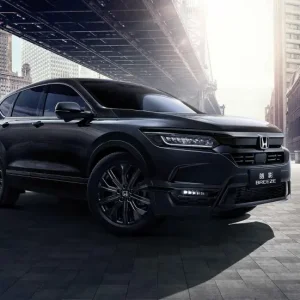
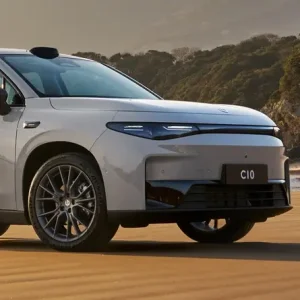
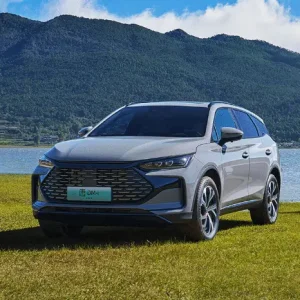
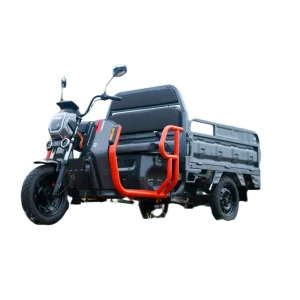
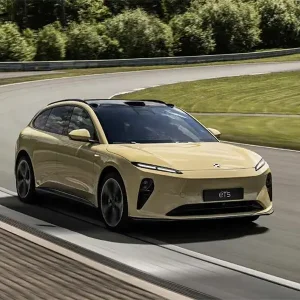
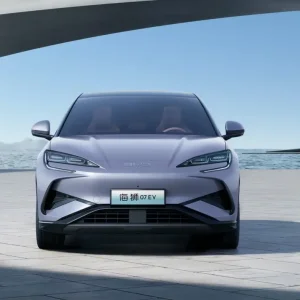
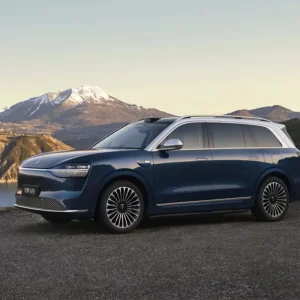
Tianli International Trade Group is a premium parallel auto exporter and comprehensive supply chain solutions provider. Certified by the Ministry of Commerce of China, we specialize in delivering end-to-end services for the global automotive industry. We address two primary segments: New Energy Vehicle (NEV) Global Sourcing and Low-Altitude Security & UAS Defense Platforms.
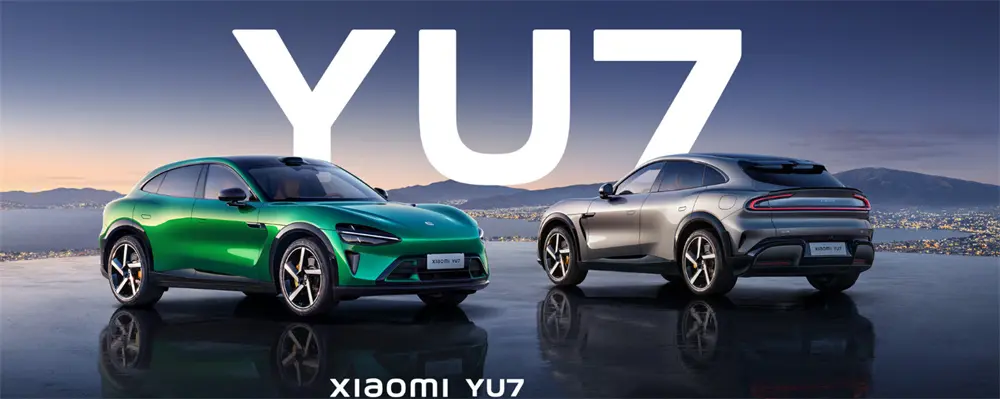
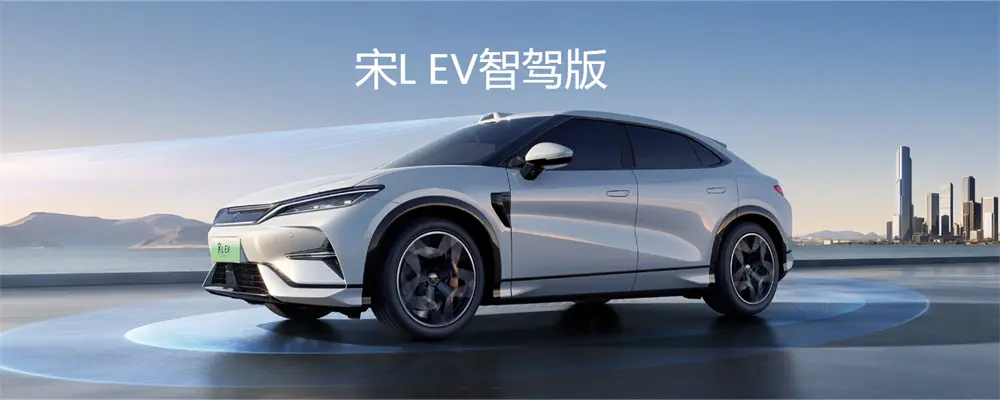
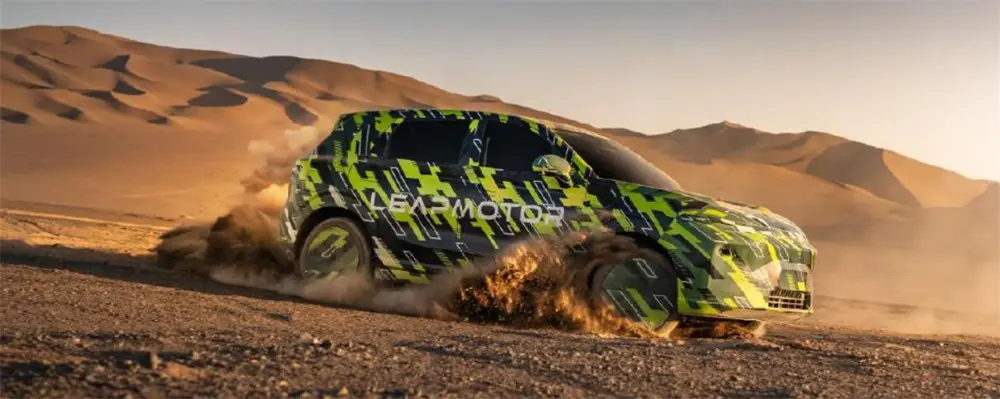
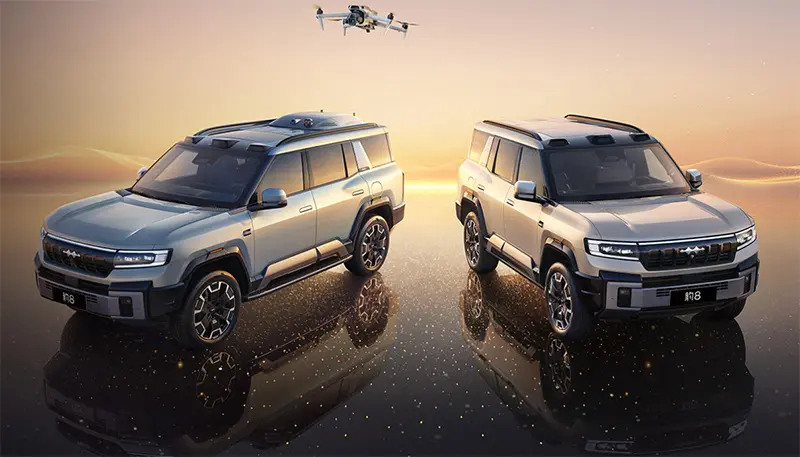
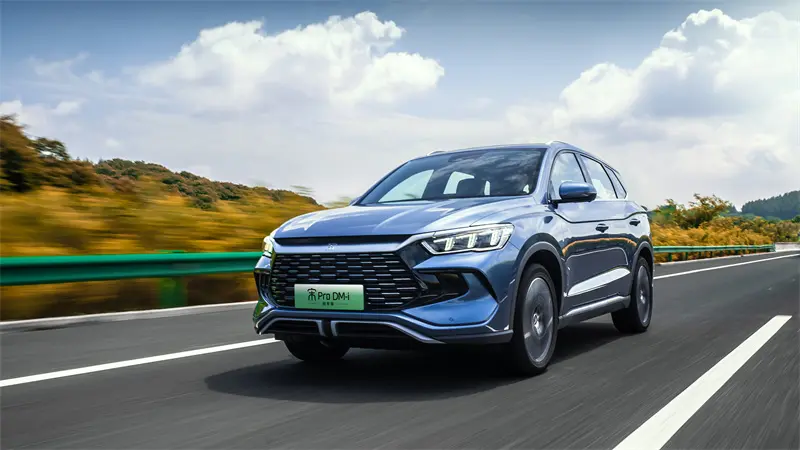
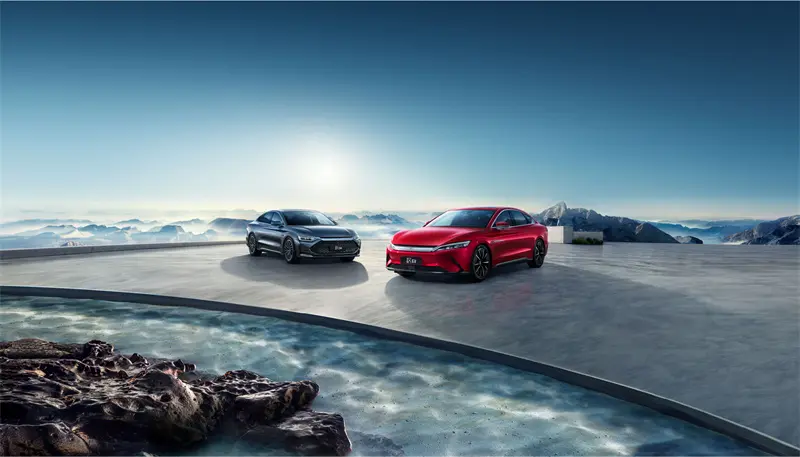
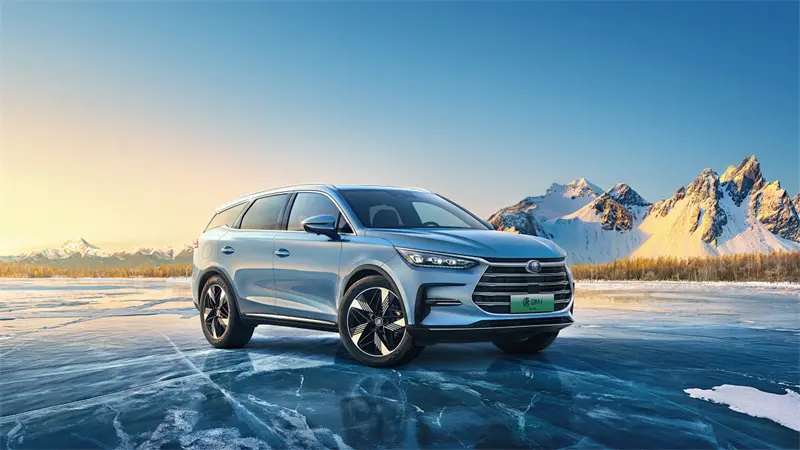
Our core capabilities range from parallel exports of major passenger vehicle brands (such as BYD, NIO, AITO, and Leapmotor) to custom-engineered electric freight tricycles designed for light cargo logistics. Simultaneously, our defense technology division delivers right-sized counter-UAS platforms, enabling municipal, commercial, and industrial clients to neutralize low-altitude aerial threats. Driven by optimization and technology, we aim to minimize logistics waste and assist global dealers in capturing local market share.
Understanding the architecture, battery integration, and software stacks of leading Chinese EV brands.
To successfully import electric vehicles at scale, B2B buyers must evaluate the underlying technical architectures of the manufacturers. Below, we break down the engineering innovations of the core brands in our portfolio: BYD, AITO, NIO, Leapmotor, and GAC AION.
BYD's global cost advantage is built on its vertical integration strategy. The company manufactures its own batteries, semiconductors, and electric motors. Key technologies include:
AITO is a collaboration between Seres and Huawei. These vehicles focus on software-defined cabin features and driver assistance systems:
NIO focuses on the premium market with high-performance chassis systems and an established battery-swapping ecosystem:
| Manufacturer | Core Platform | Battery Integration | Key Drivetrain Tech | Target Segment |
|---|---|---|---|---|
| BYD | e-Platform 3.0 | Cell-to-Body (CTB) LFP Blade | 8-in-1 Powertrain, DM-i Hybrid | Mass Market to Mid-Premium |
| AITO | Huawei DriveONE | Pack Integration (EREV / BEV) | Huawei ADS 3.0, HarmonyOS Cabin | Premium Smart SUV |
| NIO | NT 2.0 Architecture | BaaS (Battery-as-a-Service Swap) | Dual-Motor AWD, 150kWh Solid-State Option | High-End Luxury Performance |
| Leapmotor | Leap 3.0 Architecture | Cell-to-Chassis (CTC) | CTC Underbody, EREV / BEV Dual Options | Value-Focused Smart EV |
| GAC AION | AEP 3.0 Platform | Magazine Battery Safety | High-density LFP and Ternary Lithium | Urban Mobility, Fleet & Taxi |
Analyzing the manufacturing efficiencies that enable cost competitive exports.
Over 80% of necessary automotive components—including cell anodes, battery management microcontrollers, high-voltage wire harnesses, and electric axles—are manufactured within a 4-hour radius of key production clusters in the Yangtze and Pearl River Deltas. This minimizes transit times and keeps component inventories lean.
Large-scale casting machinery (ranging from 6,000 to 12,000 tons of clamping force) consolidates multi-piece underbody assemblies into single casted structures. This eliminates dozens of stamped components, reduces vehicle weight, increases structural rigidity, and lowers assembly line footprints.
With Ministry of Commerce parallel export clearance credentials, Shandong Tianli streamlines administrative logistics. We secure export certificates, conduct 100-point pre-delivery inspections, and leverage multimodal rail (China-Europe Railway) and Roll-on/Roll-off (Ro-Ro) shipping lines to reduce transport times.
Bridging Chinese engineering standards with regional market requirements.
Exporting electric vehicles globally requires addressing regional variations in charging infrastructure, safety standards, and environmental conditions. Our team helps buyers navigate these localization challenges:
While domestic Chinese vehicles use the GB/T standard for fast and slow charging, international markets operate on different systems. For European, Middle Eastern, and South American markets, we manage conversions and provide adapters for CCS2 (Combined Charging System Type 2), while providing North American partners with solutions for CCS1 / NACS (SAE J3400) interfaces.
Extreme climates can affect battery efficiency and longevity. We offer localized configurations to maintain performance under different conditions:
We supply necessary documentation to help streamline customs clearance in target markets:
Securing modern industrial logistics centers and Gigafactories against low-altitude threats.
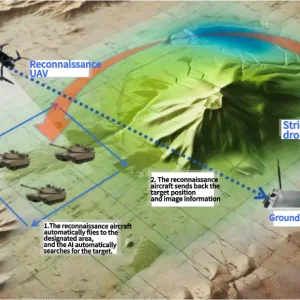
Industrial scale logistics hubs, vehicle holding yards, and manufacturing facilities face evolving low-altitude security challenges. To address this, Tianli International Trade Group offers integrated security solutions alongside our electric vehicle distribution services:
Utilizes multi-spectral radar, RF scanning, and optical cameras to detect unauthorized unmanned aerial vehicles (UAVs) up to 5 kilometers away, providing early warnings for storage yards.
Directional signal jamming disrupts GPS and control frequencies, triggering the drone's failsafe mode to force land or return to home, protecting commercial assets from overhead surveillance.
A unified software dashboard that integrates drone defense with existing facility perimeter security systems, allowing on-site operators to monitor airspace and trigger countermeasures.
The engineering transitions shaping the global electric vehicle supply chain.
B2B fleet buyers and import partners must align their sourcing strategies with upcoming technical developments. Key transitions anticipated in the next five years include:
While current high-performance ternary lithium packs top out near 250-300 Wh/kg, solid-state batteries replace liquid electrolytes with solid ceramic or polymer separators. This change helps mitigate thermal risks and raises energy density projections past 450 Wh/kg, potentially offering single-charge ranges of over 1,000 kilometers.
The industry is transitioning from 400V electrical architectures to 800V SiC (Silicon Carbide) systems. This shift reduces overall vehicle weight by utilizing thinner copper wiring and improves charging times, allowing compatible battery packs to charge in 10-15 minutes.
Vehicles are becoming decentralized mobile energy storage units. Using bidirectional onboard chargers, future EV fleets can feedback power into municipal grids or industrial buildings during peak hours, providing fleet operators with an additional revenue stream.
Key details on procurement processes, regulatory compliance, and international shipping logistics.
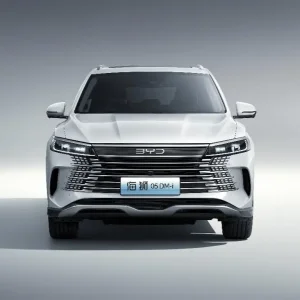
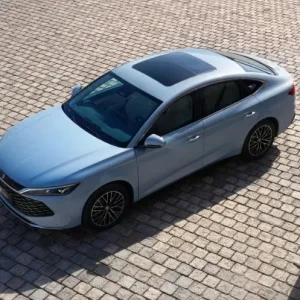
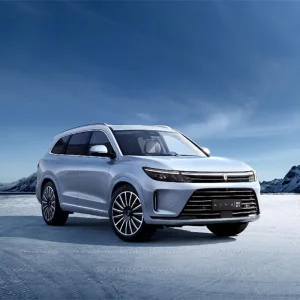
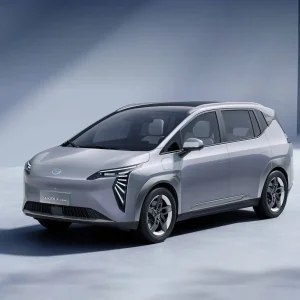
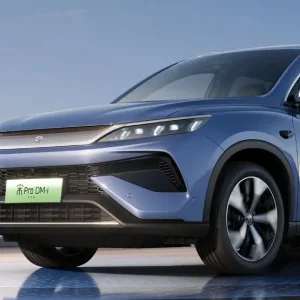
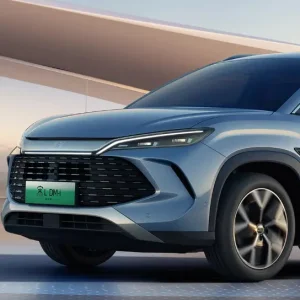
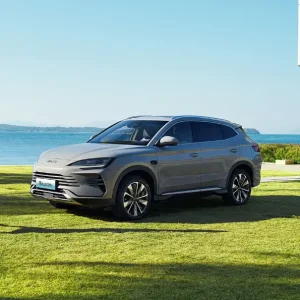
Explore our selection of specialized utility vehicles, premium sedans, and hybrid platforms.
Get updated pricing, confirm warehouse availability, and request localization options for B2B orders.